

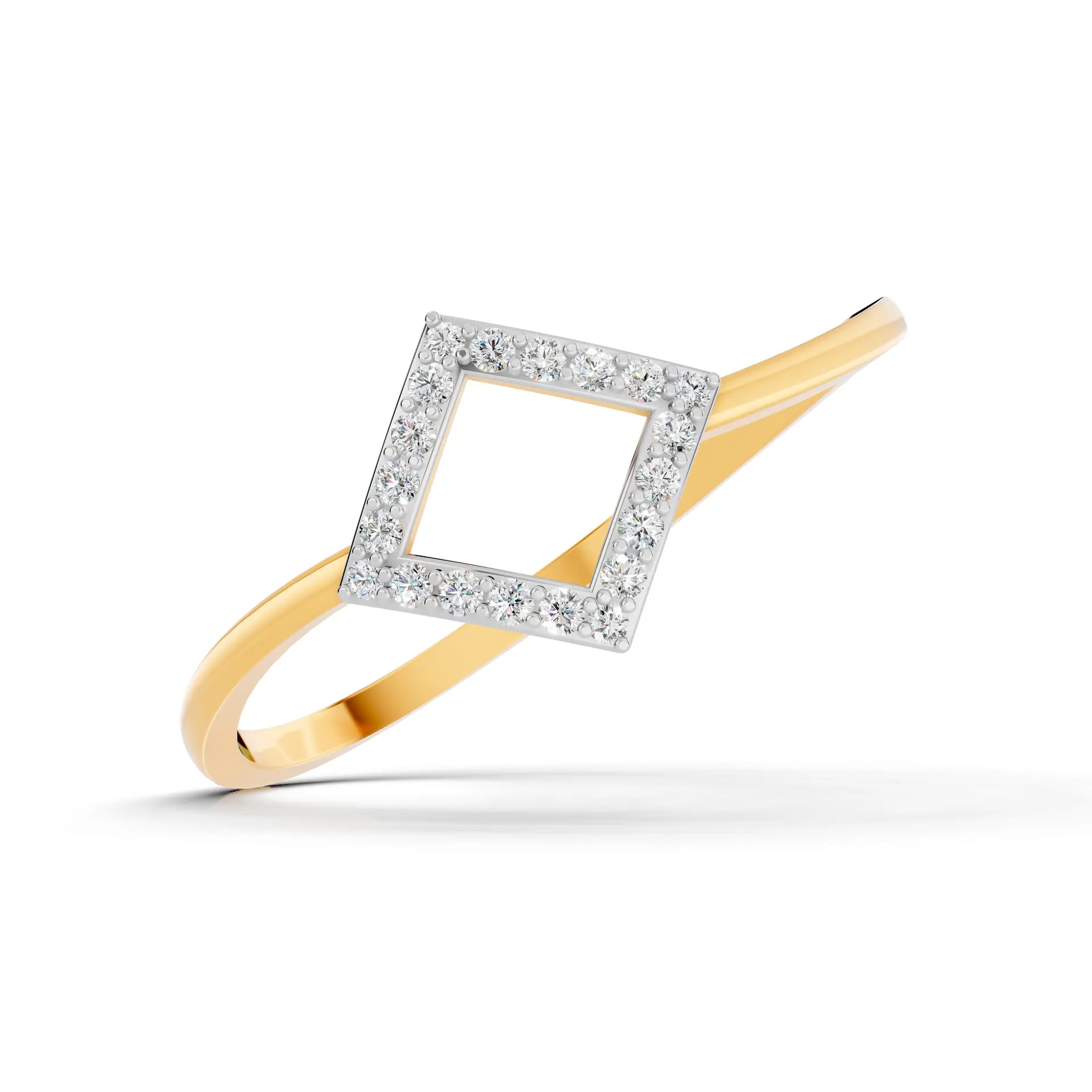
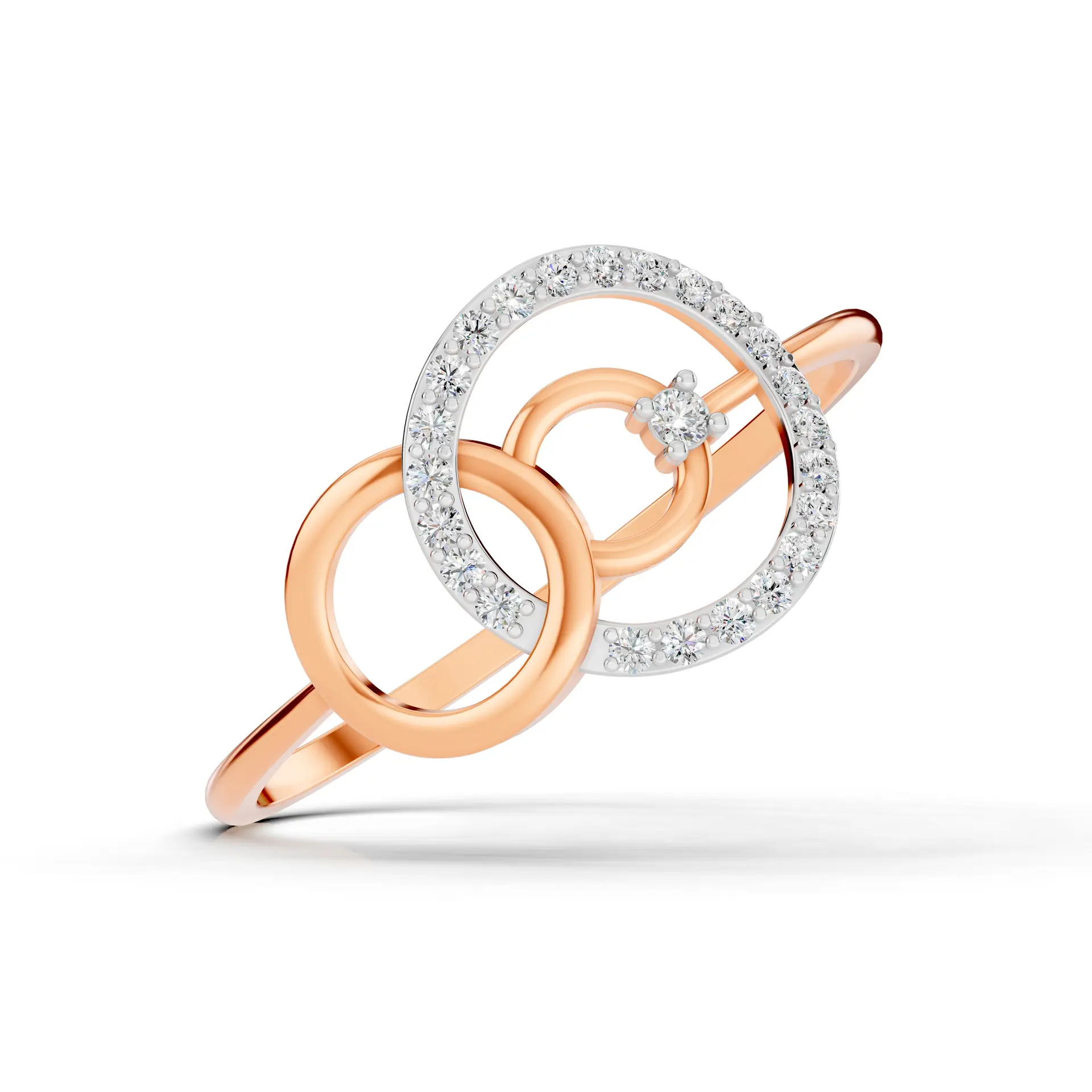
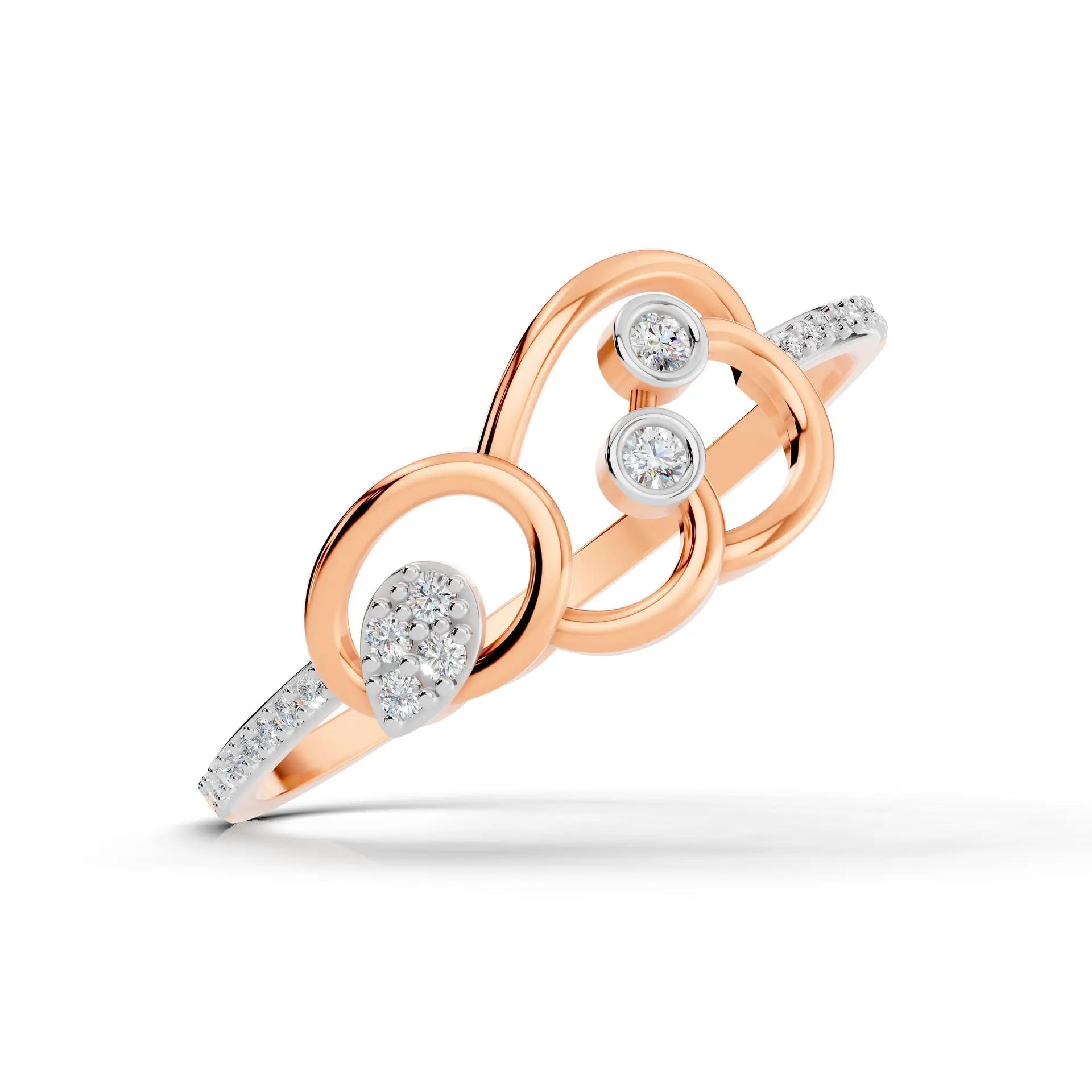
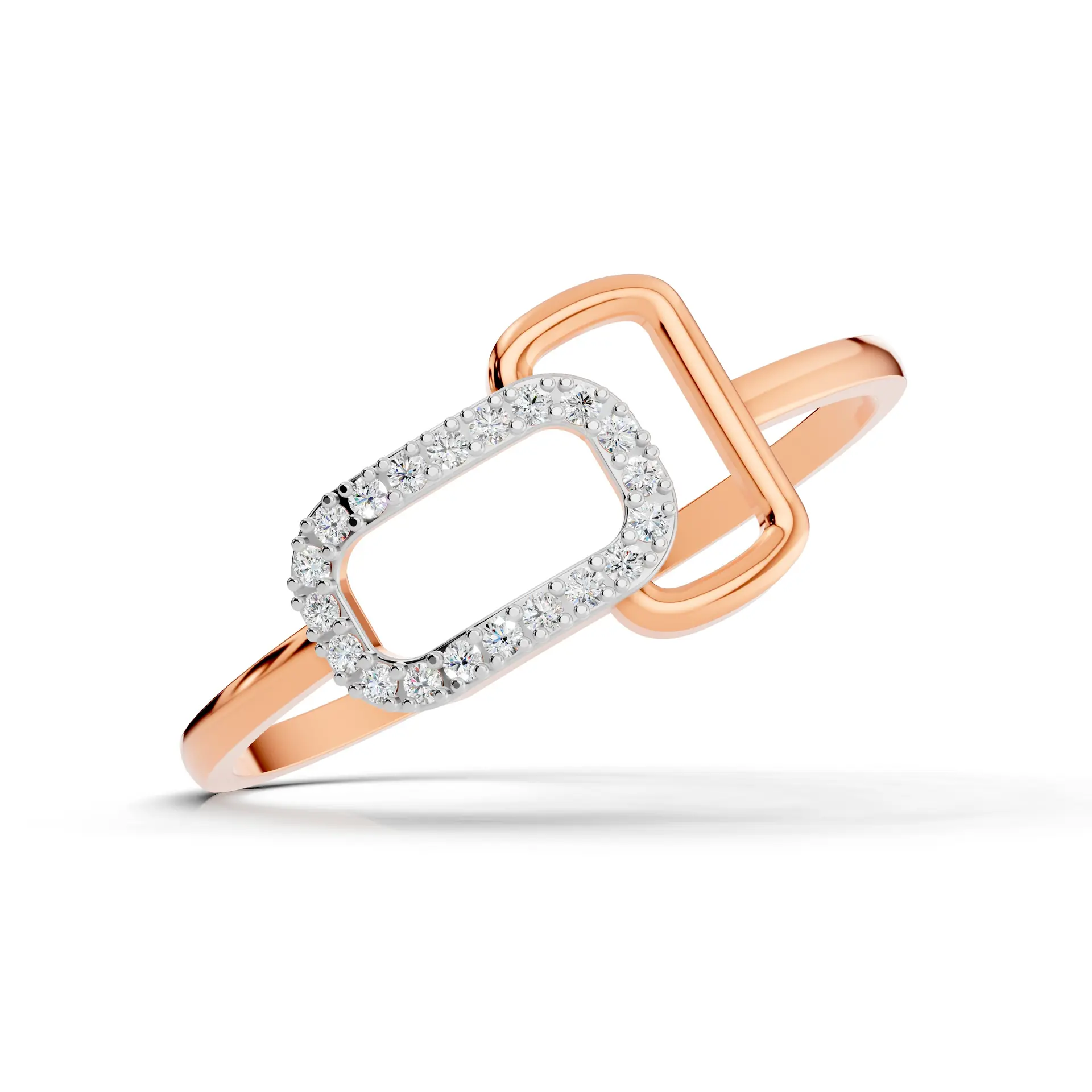
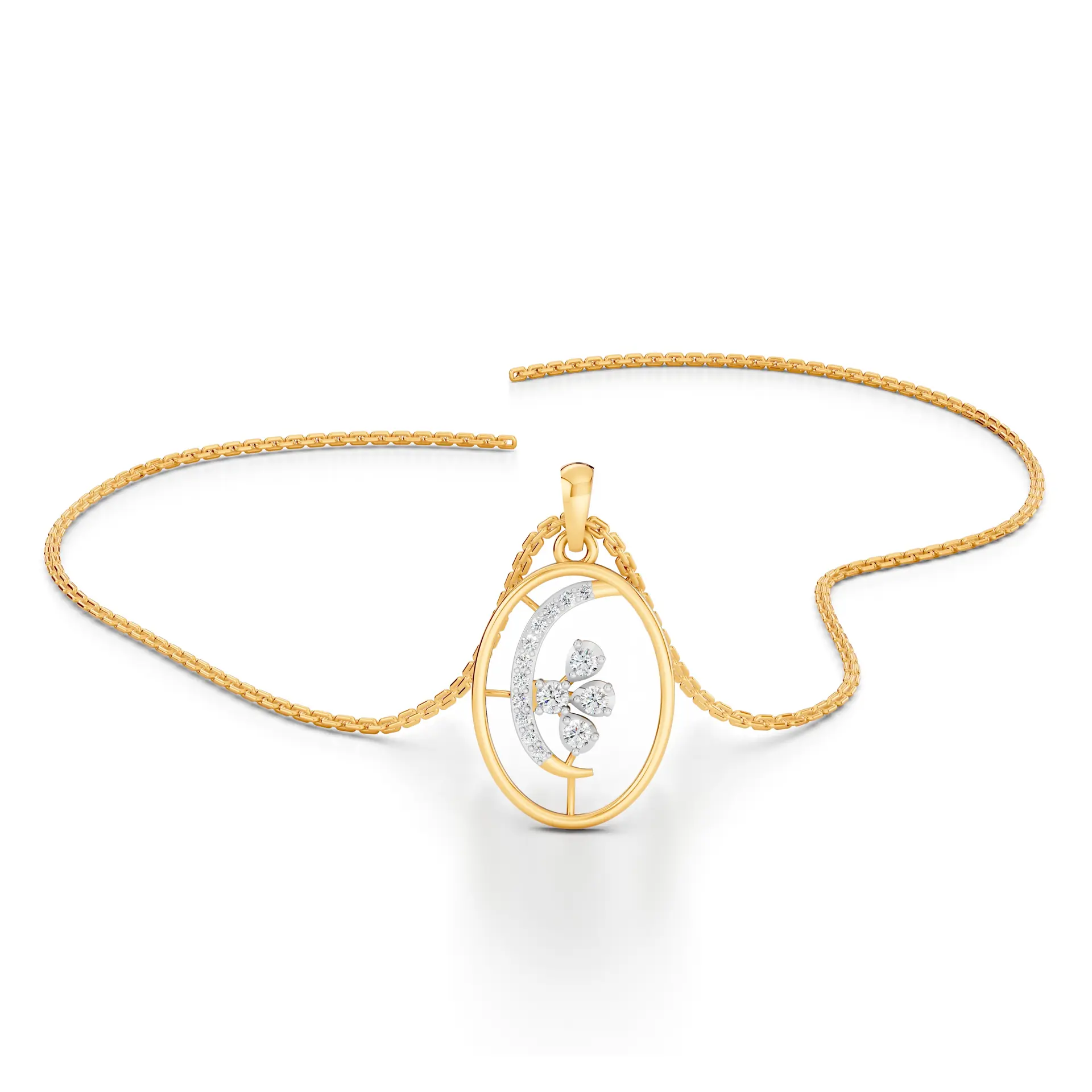
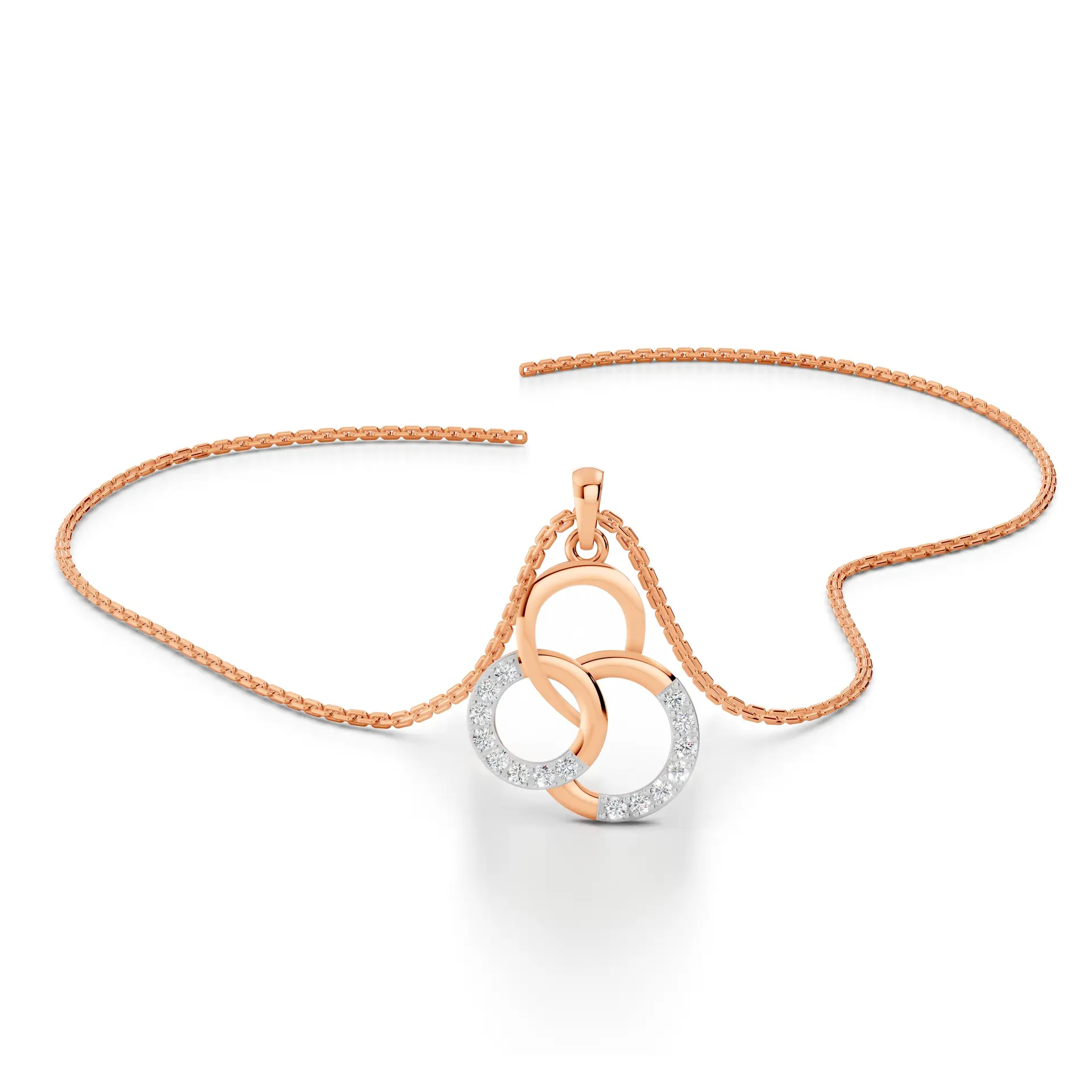
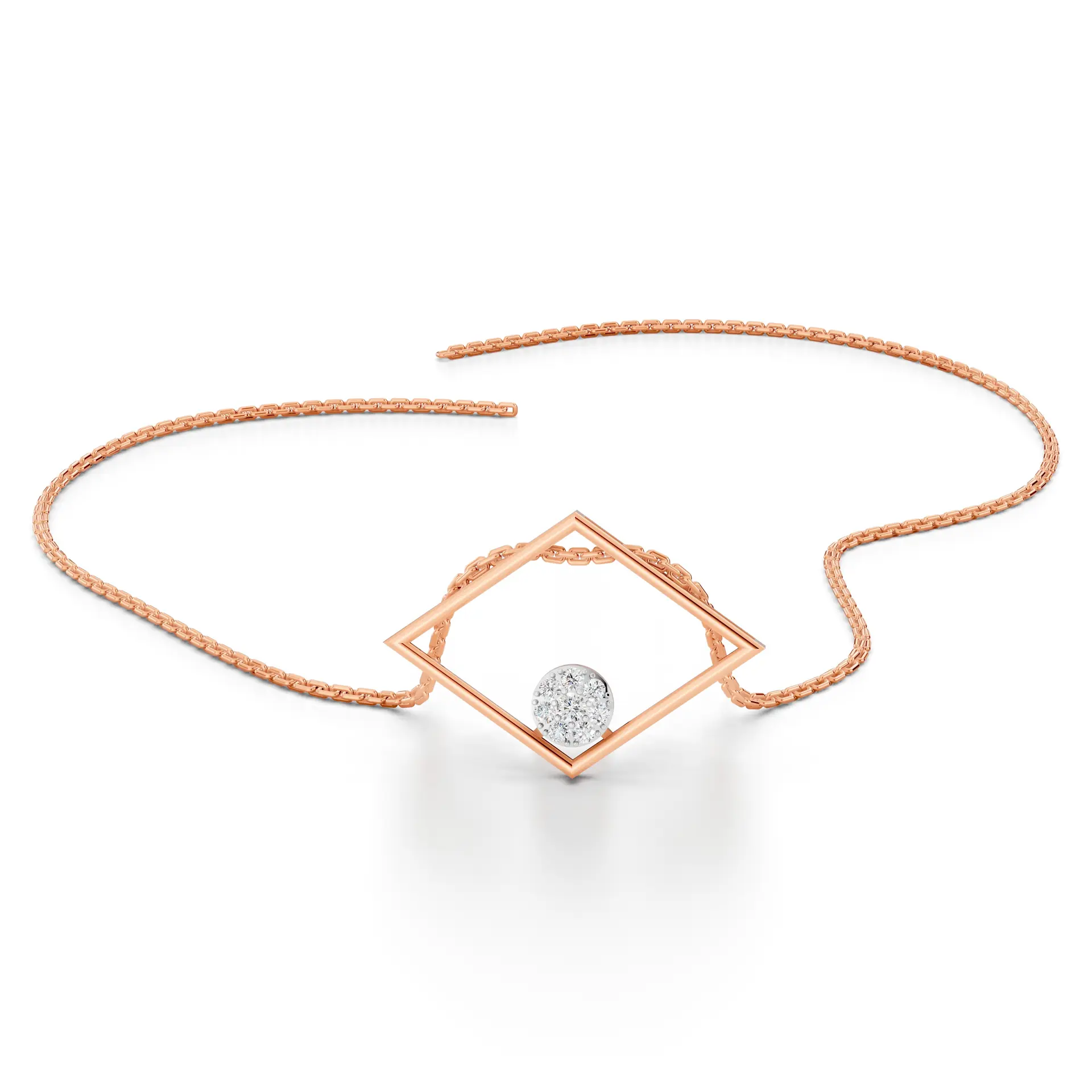
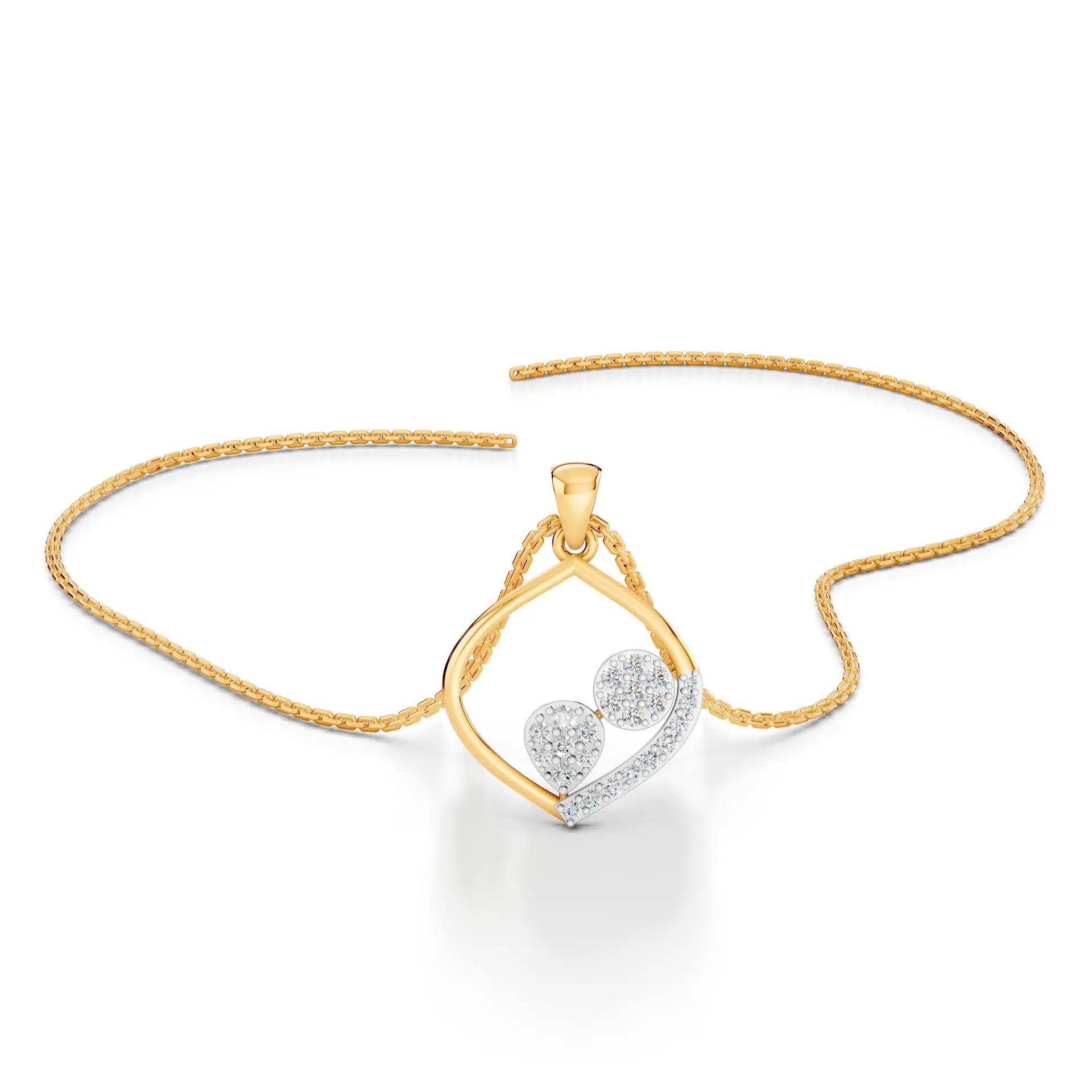
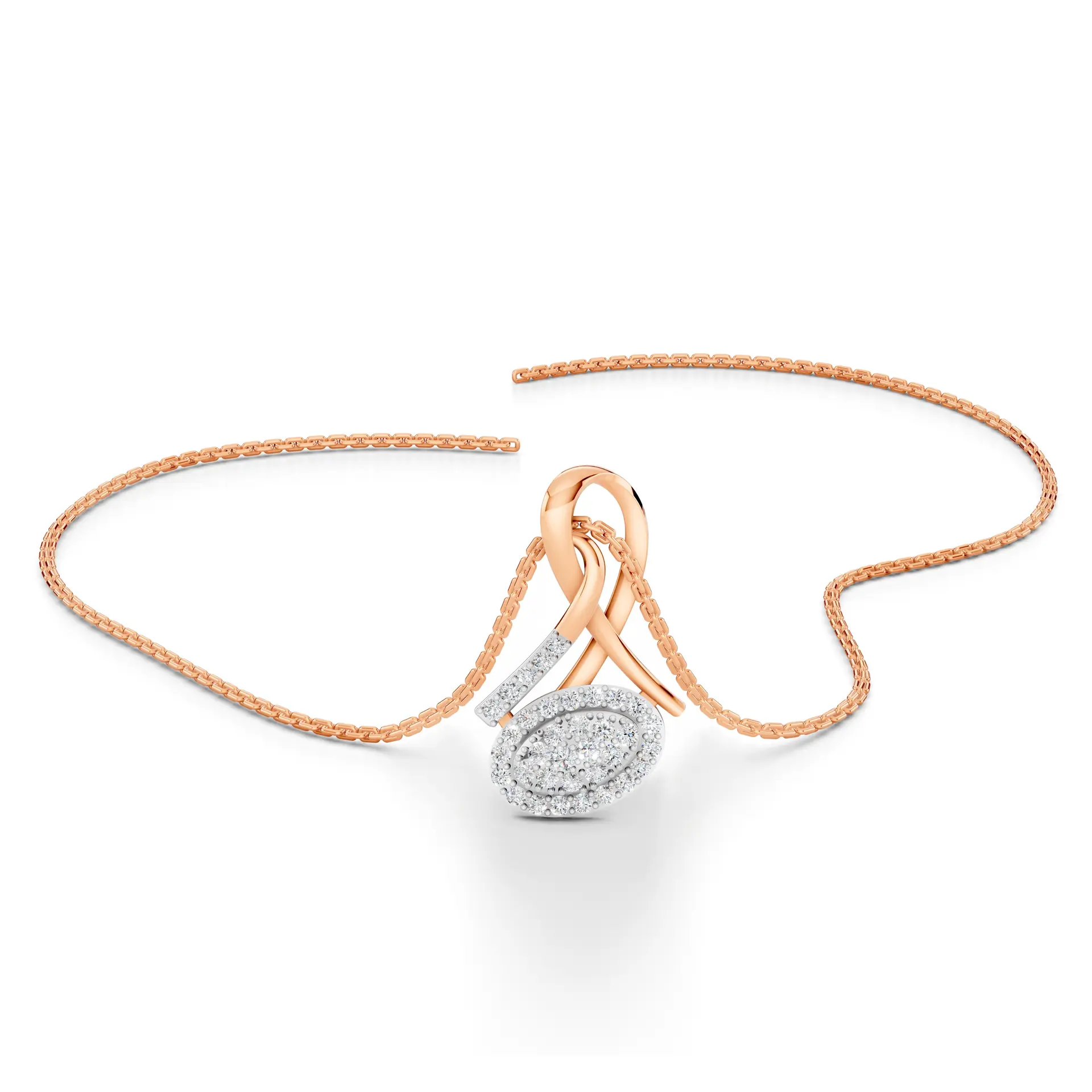
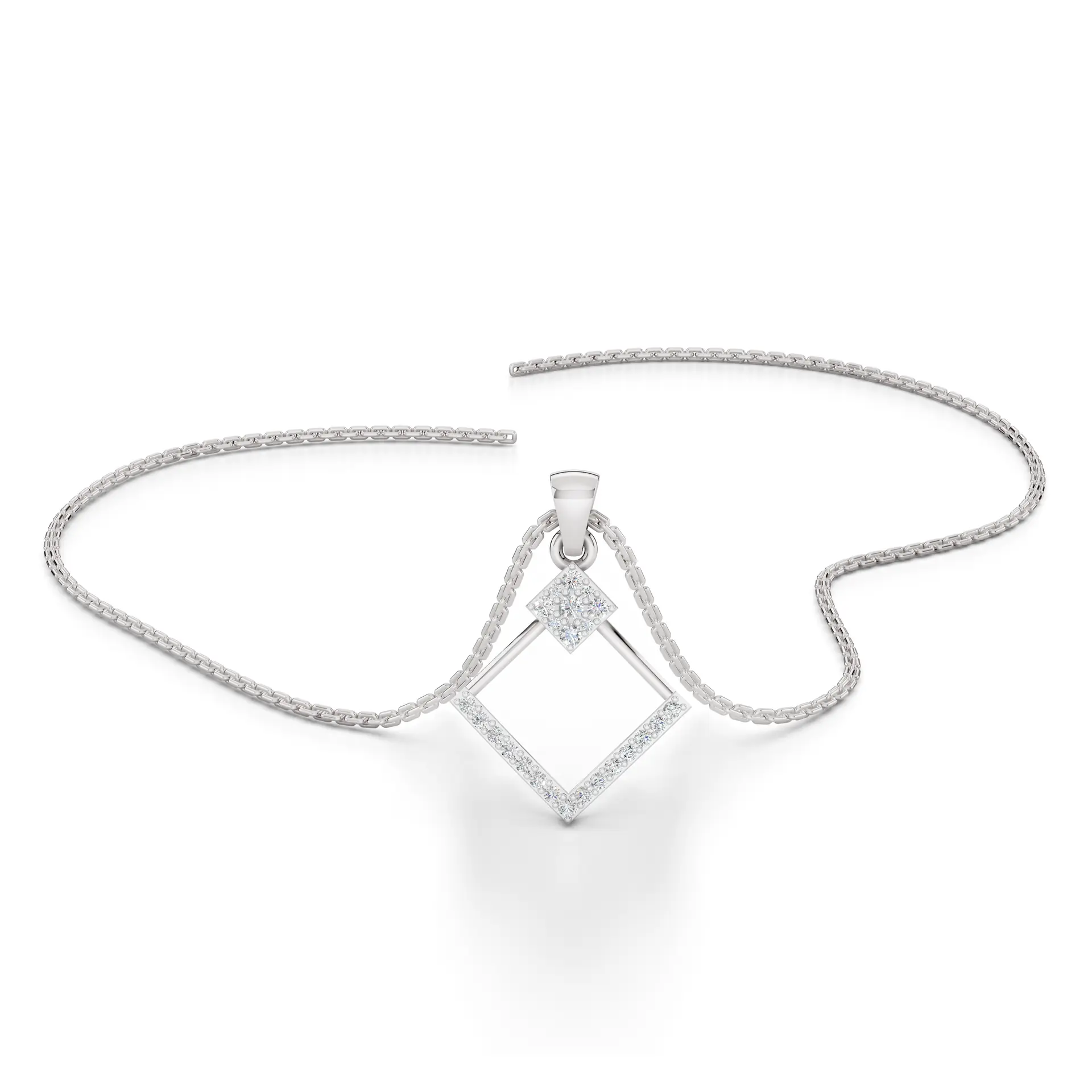
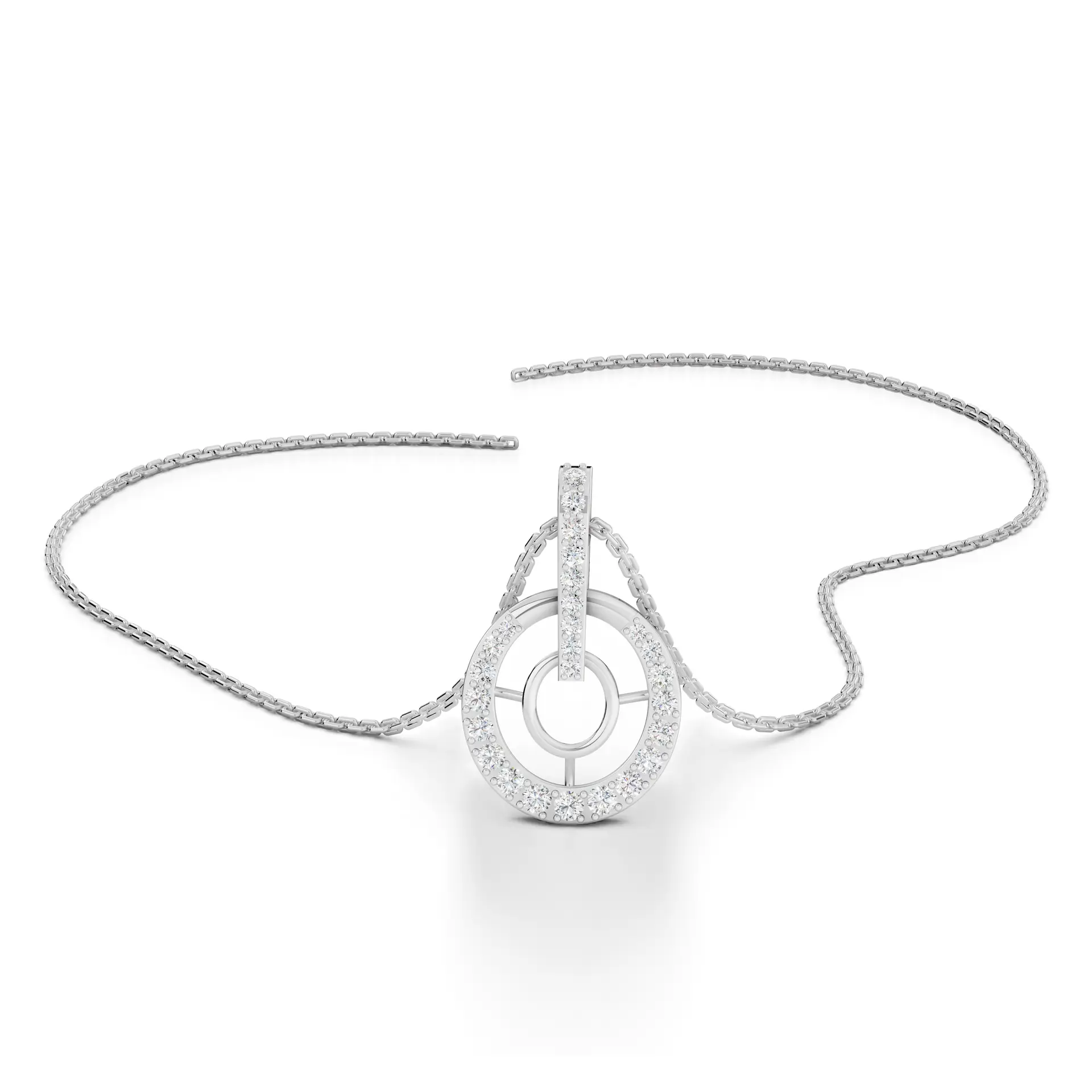
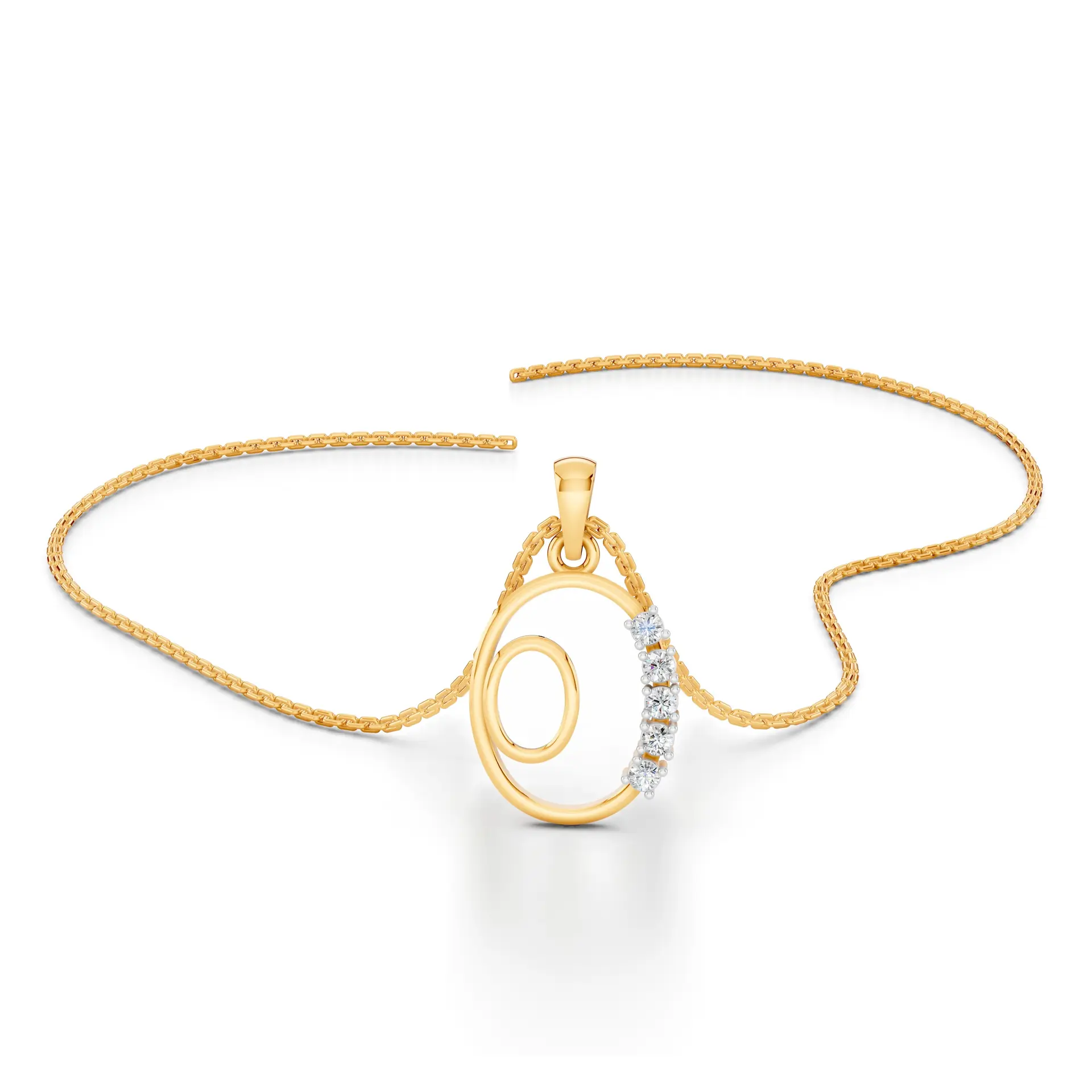
Akshaya Tritiya Jewellery — Gold That Carries a Blessing and Stays With You Forever
There are very few days in the Indian calendar where buying something feels genuinely different from any other day. Akshaya Tritiya is one of them. On this day, every gold bangle, every pendant, every coin purchased at a jeweller carries with it a quiet belief — that this wealth will not diminish, that it will grow, and that it will stay with your family across generations.
This belief is not new. It has been passed from grandmothers to mothers to daughters for centuries. And every year, as the third tithi of the bright half of Vaishakh arrives, millions of families across India act on it — visiting jewellers, placing orders online, opening lockers, and carefully choosing a piece of gold jewellery that feels right for the occasion.
At Svaraa, we have spent years understanding what that moment of choosing means to our customers. It is rarely purely about the gold. It is about the woman who will wear the bangle and think of her mother every time she looks at it. It is about the husband who wants to give his wife something timeless to mark a new chapter. It is about the first-time buyer who wants to begin their gold journey on the most auspicious day of the year.
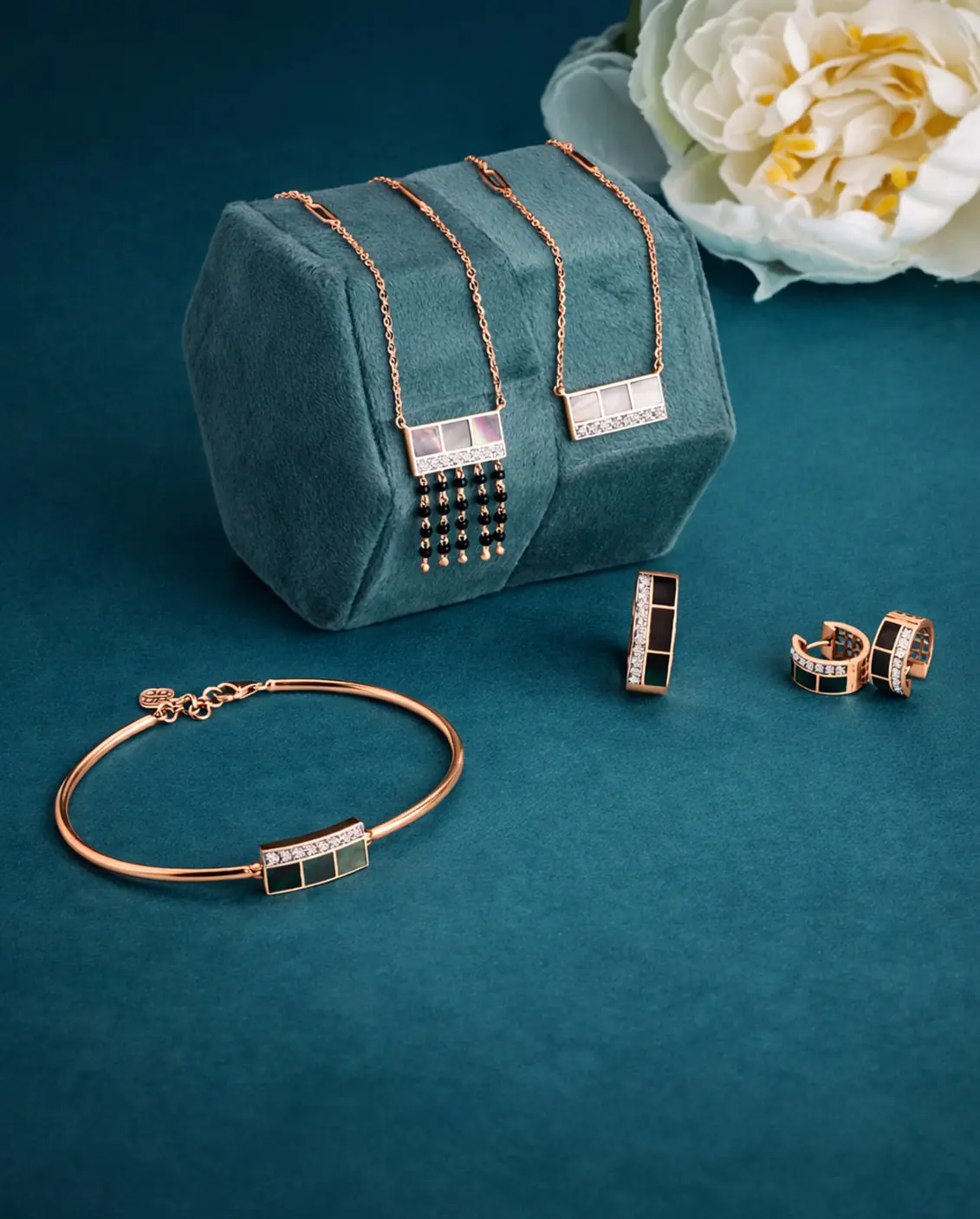
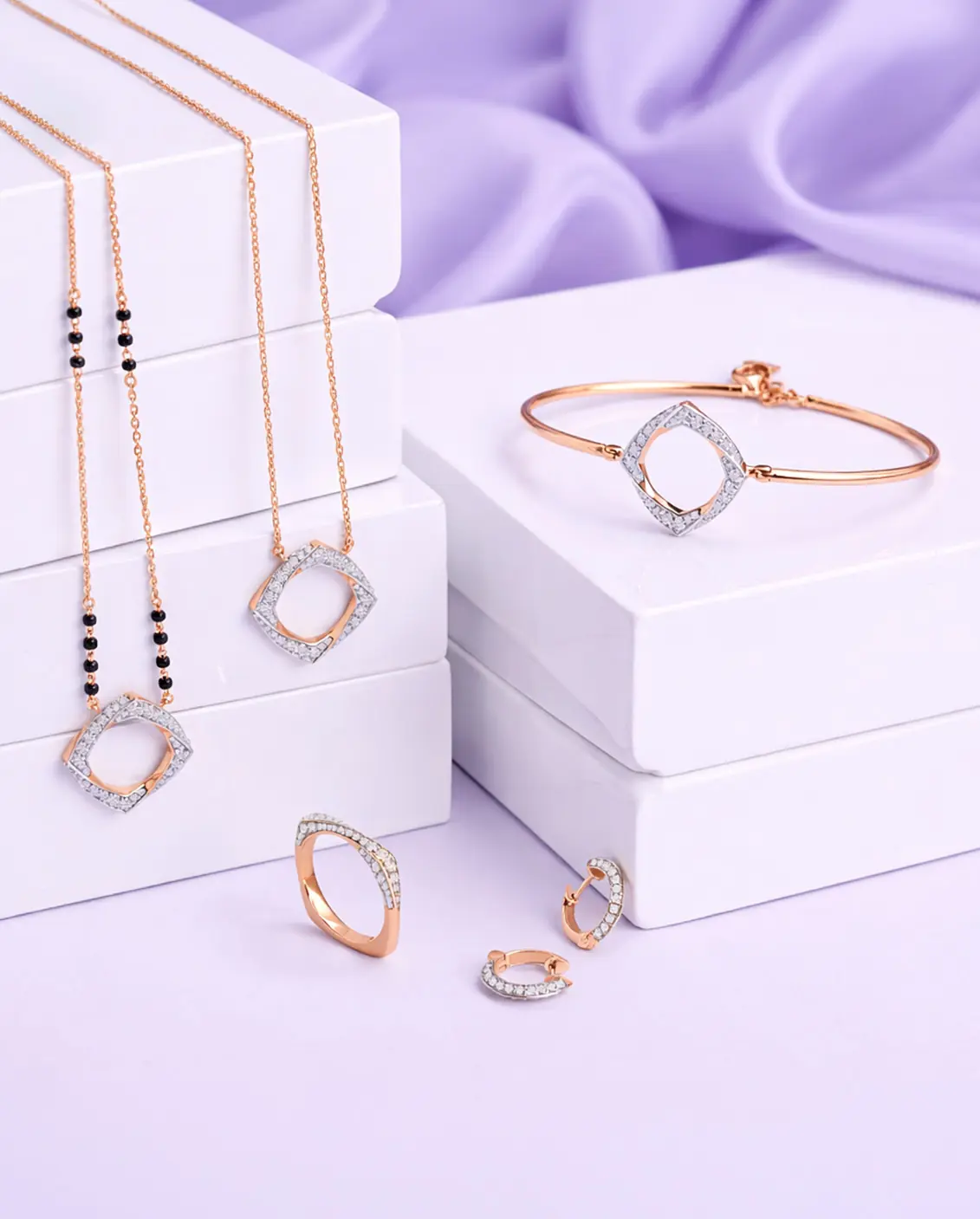
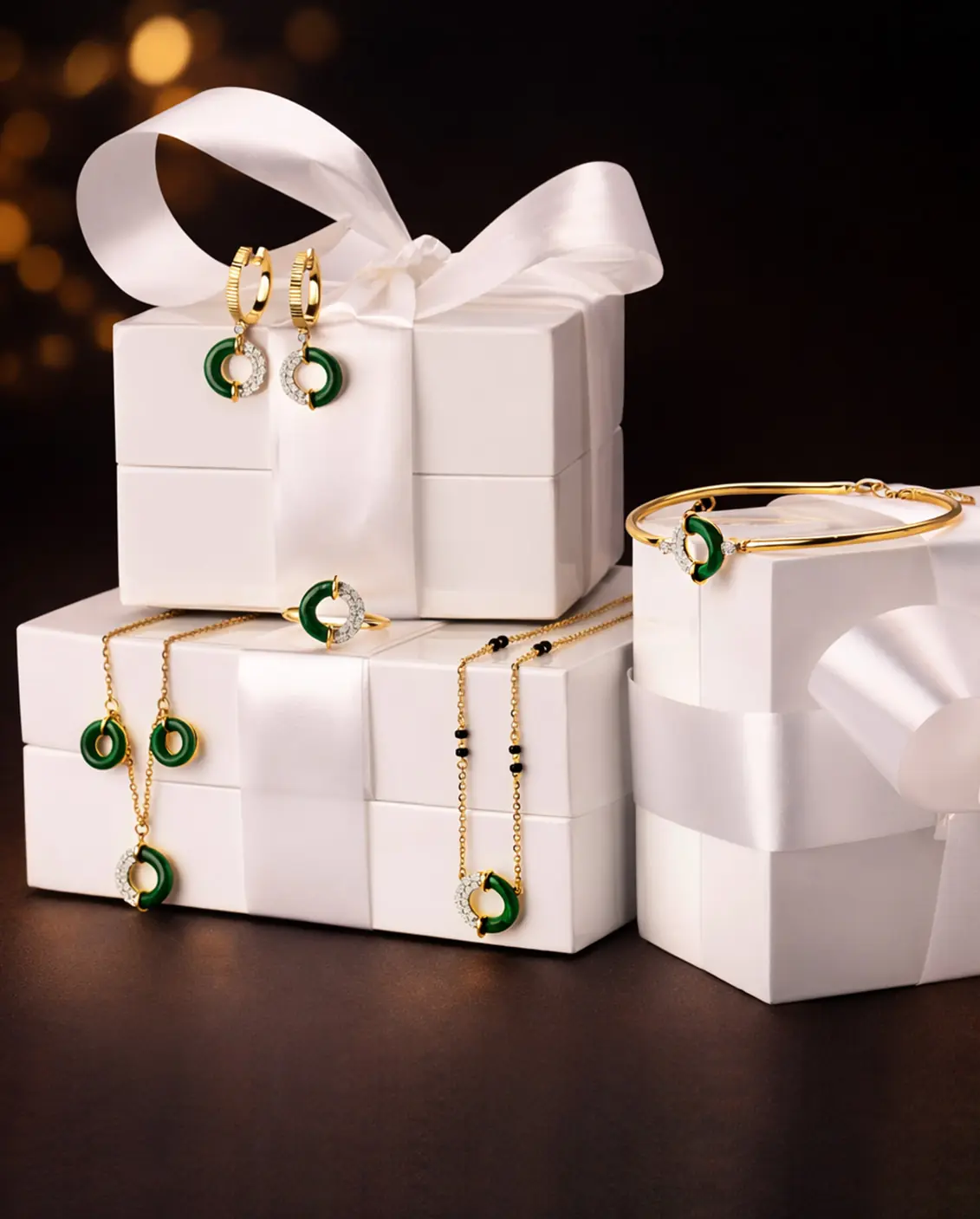
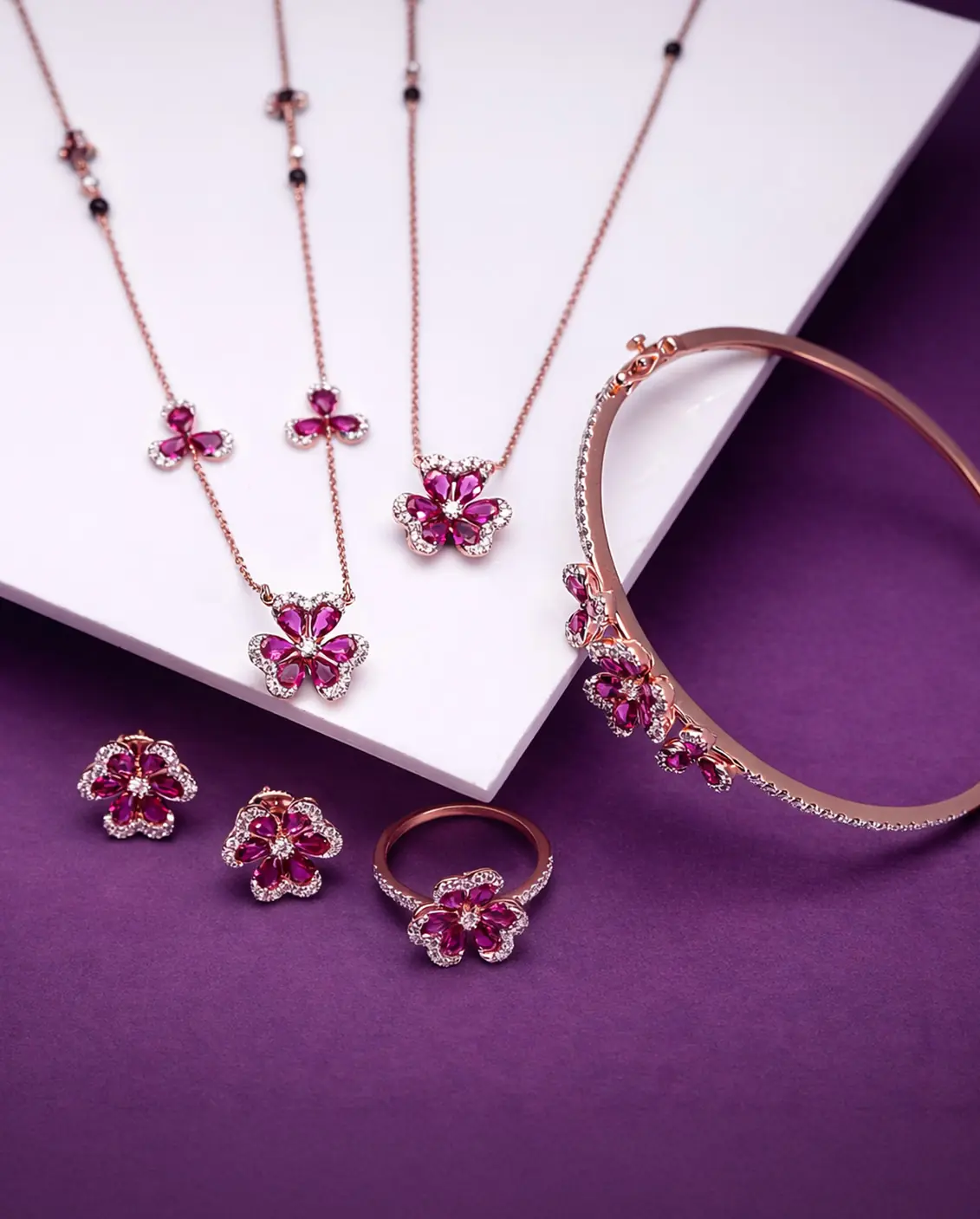
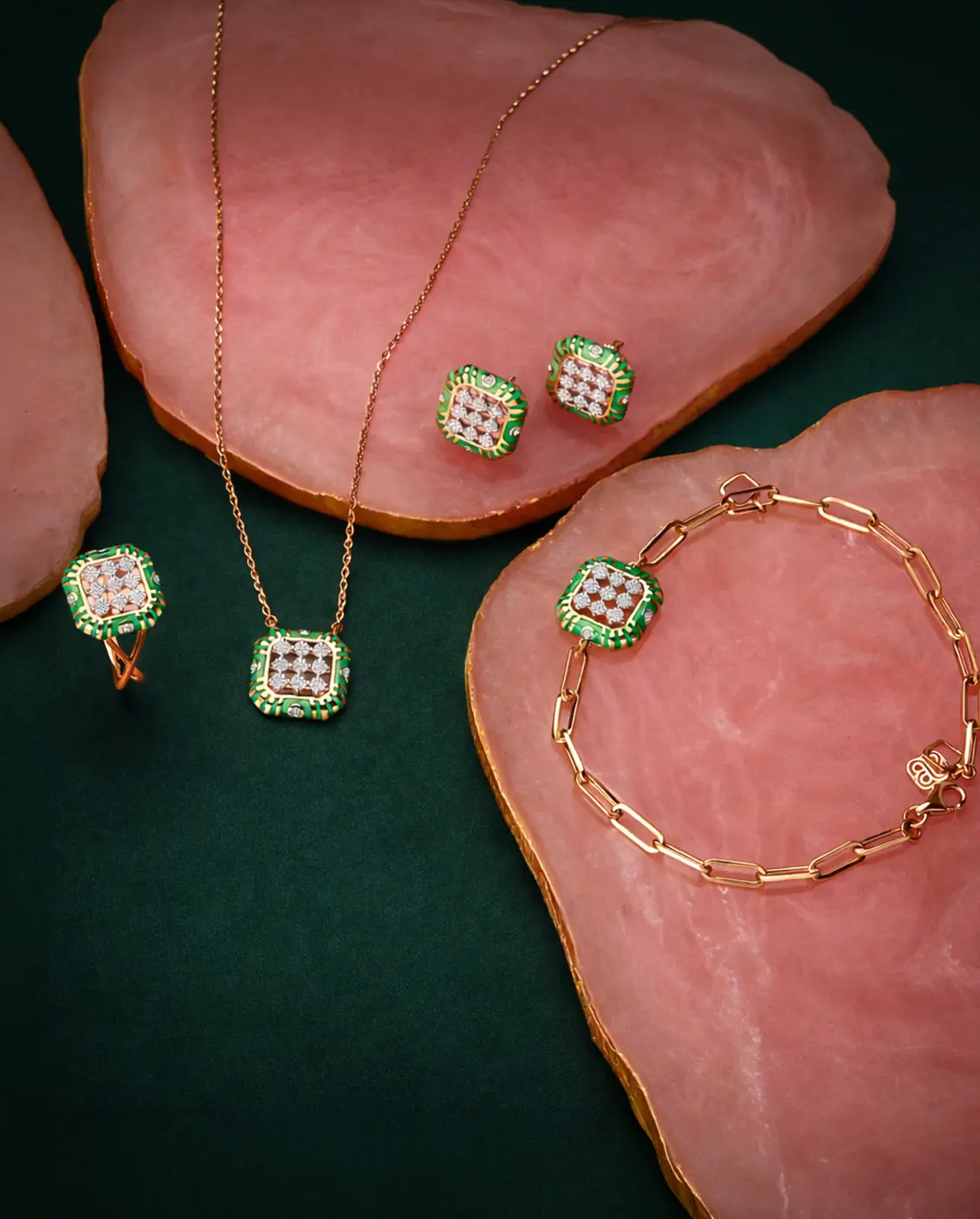
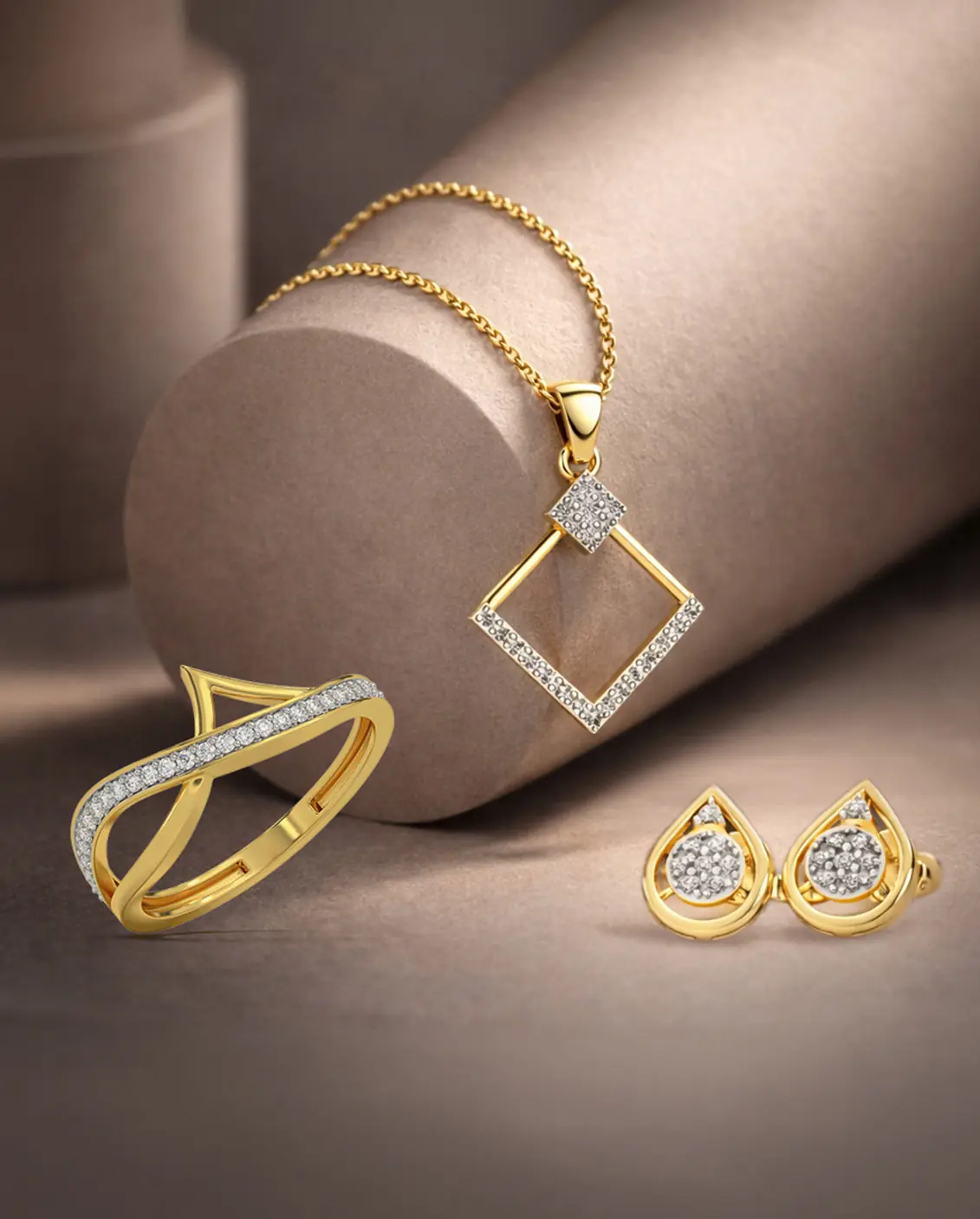
Our akshaya tritiya jewellery collection has been built around these real motivations. Every piece we carry has been chosen because it serves someone's actual life — not just a display cabinet. Whether you are looking for traditional 22K gold bangles with intricate craftsmanship, a lightweight diamond pendant that works for everyday wear, or a set of BIS hallmarked gold coins for investment, our collection has options at every price point and for every intention.
This guide is your companion for everything related to Akshaya Tritiya jewellery. We cover the history and significance of the day, the practical steps to choosing the right piece, detailed gifting advice for every person in your family, design style explanations, gold purity guidance, care tips, and answers to every commonly asked question. By the time you finish reading, you will feel ready — informed, confident, and clear about what you want.
What is Akshaya Tritiya — The Complete Story of India's Most Auspicious Day
The Meaning and Origin of the Name
The word Akshaya comes from Sanskrit. Kshaya means decay, loss, or deterioration. The prefix 'a' negates it entirely. So Akshaya means that which does not decay — eternal, imperishable, undying. Tritiya simply means the third day of the lunar fortnight. Together, Akshaya Tritiya translates as the eternal third day, or the day that never diminishes.
It falls on the third tithi of the Shukla Paksha (bright fortnight) of the month of Vaishakh according to the Hindu lunisolar calendar. On the Gregorian calendar, this typically lands somewhere between late April and mid-May. In 2026, Akshaya Tritiya falls on Sunday, April 19.
The core belief driving the day's significance is simple but powerful: any good action — whether charity, prayer, investment, or the start of something new — performed on Akshaya Tritiya will yield returns that are eternal. What you give multiplies. What you acquire stays. What you begin succeeds. It is a day of unlimited positive potential, and this is exactly why it is associated so deeply with the purchase of akshaya tritiya jewellery and gold.
The Mythological Roots — Stories That Explain the Day's Power
The Beginning of Treta Yuga
Hindu cosmology divides the existence of the universe into four cyclical ages called Yugas: Satya Yuga, Treta Yuga, Dvapara Yuga, and Kali Yuga. According to ancient texts, Akshaya Tritiya marks the transition from Satya Yuga to Treta Yuga — the beginning of a new cosmic cycle. This association with grand beginnings is part of why the day is considered especially powerful for starting new ventures, making long-term investments, and beginning important chapters in one's life.
The Birth of Lord Parashurama
Akshaya Tritiya also coincides with Parashurama Jayanti — the birth anniversary of Parashurama, the sixth avatar of Lord Vishnu. Parashurama was born to the sage Jamadagni and his wife Renuka. He received a divine axe from Lord Shiva and is revered as the avatar who restored dharma (righteousness) by confronting corrupt rulers who had become tyrannical. His birth on this day adds another dimension of divine power to Akshaya Tritiya — particularly in 2026, when Parashurama Jayanti and Akshaya Tritiya fall on the same day, April 19.
The energy of this coincidence is considered very favourable for auspicious purchases including akshaya tritiya jewellery, property, and new business launches.
The Akshaya Patra — The Bowl That Never Emptied
Perhaps the most beloved story associated with Akshaya Tritiya is the Akshaya Patra from the Mahabharata. During the Pandavas' thirteen-year exile in the forest, they were struggling to feed themselves and the sages who accompanied them. On Akshaya Tritiya, Lord Surya (the Sun God) gifted Draupadi a miraculous vessel called the Akshaya Patra. This vessel would produce unlimited food each day — but only until Draupadi herself had eaten. Once she ate, it would produce nothing more until the following day.
This vessel — the bowl that never emptied — is the living symbol of the day. When you buy akshaya tritiya jewellery or gold on this day, you are symbolically reaching for your own Akshaya Patra. You are choosing a form of wealth that will not run dry, that will serve your family's needs across time, and that carries forward the energy of abundance.
Sudama and Krishna — The Generosity That Changed a Life
Another story deeply linked to Akshaya Tritiya involves Sudama, the childhood friend of Lord Krishna. Sudama was a poor Brahmin who visited Krishna in his magnificent city of Dwarka, embarrassed to bring nothing but a small packet of flattened rice as a gift. Krishna received him with full love and honour, and accepted the humble rice offering with joy. When Sudama returned home, he found his poverty had been completely transformed — his simple home had become a palace, and his family was surrounded by abundance.
This story reinforces one of the day's deepest teachings: that giving with a pure heart — no matter how small the gift — is returned manifold on Akshaya Tritiya. This is why the tradition of akshaya tritiya gifts is so important. It is not just about acquiring wealth for yourself. It is about the cycle of giving and receiving that the day sets in motion.
The Descent of the Ganga
Hindu mythology also places the descent of the sacred river Ganga from the heavens to the earth on Akshaya Tritiya. King Bhagirath performed intense penance to bring the Ganga to earth so that the souls of his ancestors could be liberated. The river's arrival on earth on this day is associated with purification, liberation, and the flow of blessings that never cease. Just as the Ganga flows eternally, the blessings of Akshaya Tritiya are believed to flow continuously to those who observe the day with devotion.
Ganesh Begins Writing the Mahabharata
Yet another tradition holds that on Akshaya Tritiya, the sage Vyasa began dictating the Mahabharata to Lord Ganesha, who agreed to transcribe it without stopping. The beginning of the world's longest epic poem on this day further cements Akshaya Tritiya as a day for grand, enduring beginnings — creative, spiritual, and material alike.
Why Akshaya Tritiya is Called an Abujh Muhurat
In the Vedic tradition, most auspicious activities require careful timing. Before a wedding, a business launch, a new home entry, or even a significant financial purchase, a skilled astrologer (Jyotishi) consults the Panchang — the Hindu almanac — to identify an auspicious muhurat: a specific window of time when planetary positions are favourable.
Akshaya Tritiya is different. It is classified as an Abujh Muhurat — a day that is inherently and entirely auspicious without requiring any specific timing calculation. The word Abujh means unknowing or unquestioned. On this day, the question of timing does not arise because the entire day is pure.
In 2026, the Tritiya Tithi begins at 10:49 AM on April 19 and extends until 7:27 AM on April 20 — giving devotees nearly 20 continuous hours of auspicious time. This means you can visit a jeweller, shop for akshaya tritiya jewellery online, perform puja, start a new venture, or make any significant investment at any point during this window without consulting an astrologer for timing approval.
This is a significant practical advantage. On other auspicious days, families sometimes miss narrow muhurat windows due to traffic, travel, or simple timing mismatches. On Akshaya Tritiya, the window is so wide that missing it is nearly impossible.
The Astrological Significance of Akshaya Tritiya
Vedic astrology offers a specific explanation for why Akshaya Tritiya is so powerful. On this day, both the Sun and the Moon are simultaneously exalted — the Sun in Aries (Mesh Rashi) and the Moon in Taurus (Vrishabh Rashi). An exalted planet is one that sits in the zodiac sign where it operates at full strength, with no debilitation or weakness.
When both the primary luminaries — the Sun and Moon — are exalted simultaneously, astrologers consider this an exceptionally rare and powerful configuration. The combined radiance of the two lights is believed to infuse every action taken on this day with strength, clarity, and permanence. Investments made under this alignment, whether in gold, property, education, or relationships, are believed to carry forward with unusual stability and growth.
This astrological explanation is one of the reasons why even people who are not deeply religious choose to buy gold and akshaya tritiya jewellery on this day — the rational and the intuitive both point in the same direction.
How Akshaya Tritiya is Observed in Jainism
Akshaya Tritiya holds a different but equally significant place in the Jain tradition. For Jains, this day commemorates the moment when Lord Rishabhanatha — the first Tirthankara — broke his year-long fast. He had been wandering as an ascetic, accepting nothing from anyone, when his grandson Shreyans Kumar offered him sugarcane juice. Rishabhanatha accepted it, and this act of giving by Shreyans Kumar is considered the first act of charity (Daan) in Jain history.
This story is why Jains observe Akshaya Tritiya as Varshi Tapa — a day of breaking a long fast with sugarcane juice — and why the concept of charitable giving is so central to the day across both Hindu and Jain traditions.
Why Buying Akshaya Tritiya Jewellery is One of the Smartest Decisions You Can Make
Gold as the Manifestation of Goddess Lakshmi
In Indian tradition, gold is not merely a precious metal. It is considered a physical form of Goddess Lakshmi — the deity of wealth, fortune, grace, and abundance. When you bring gold into your home, you are, in the language of tradition, inviting Goddess Lakshmi herself to reside there.
This belief gives the purchase of akshaya tritiya jewellery a dimension that no other financial instrument can replicate. A Sovereign Gold Bond or a gold ETF carries the monetary value of gold. But a piece of gold jewellery bought on Akshaya Tritiya, placed in the puja room first and offered to Goddess Lakshmi, carries with it the accumulated faith of generations. It becomes part of the family's spiritual inventory as much as its financial one.
This is why the rush to jewellers on Akshaya Tritiya is unlike any other shopping event in India. People are not hunting for deals. They are honouring a commitment — to themselves, their families, and their faith.
The Financial Logic Behind Buying Gold on Akshaya Tritiya
Spiritual significance aside, there is a strong financial case for investing in gold — and Akshaya Tritiya is as good a time as any to begin or add to that investment.
Gold has consistently proven to be one of the most reliable stores of value across economic cycles. Over a 20-year horizon in India, gold has delivered returns that have comfortably outpaced inflation. Families that bought gold bangles or coins a decade ago have seen those holdings appreciate by 400 to 500 percent in rupee terms.
Gold also acts as a hedge against currency devaluation. As the Indian rupee depreciates against major global currencies over time, the rupee value of gold (which is priced in US dollars globally) rises correspondingly. This makes gold a useful buffer against the gradual erosion of purchasing power.
Additionally, gold is highly liquid. Unlike property, which may take months to sell and comes with transaction costs and paperwork, gold jewellery or coins can be converted to cash relatively quickly at any reputed jeweller. This liquidity makes it a practical component of a family's emergency financial reserve.
Why This Day Specifically — Not Just Any Day
A common question is: if gold is such a good investment, why does the specific date of Akshaya Tritiya matter? Why not buy gold on any random Tuesday?
The answer operates on multiple levels. On a purely practical level, Akshaya Tritiya is the day when jewellers across India offer their best prices, lowest making charges, and most attractive promotions. The competition for buyers is highest on this day, which works in the consumer's favour.
On a psychological level, the cultural significance of the day creates a strong motivation to actually make the purchase — rather than perpetually planning to buy gold someday. Many families who have been thinking about adding to their gold holdings for months finally act on Akshaya Tritiya.
And on the spiritual level — for those who hold that dimension of the tradition — the belief that wealth acquired on this day grows and stays protected provides a quality of peace and confidence that accompanies the purchase.
Akshaya Tritiya Jewellery as a Marker of Life Milestones
Some of the most meaningful akshaya tritiya jewellery purchases are not strictly about the gold at all. They are about marking a moment. The first piece of gold jewellery a woman buys with her own earnings. The necklace a father gifts his daughter when she gets into a good university. The gold bangle a husband gives his wife to mark twenty-five years of marriage. The coin a mother puts aside for her newborn child's future.
These are the stories that live inside jewellery cases and family lockers. They are the reason why people cherish specific pieces of gold far beyond their material value. Akshaya Tritiya, with its powerful associations of permanence and abundance, is the natural home for these kinds of purchases.
The Svaraa Akshaya Tritiya Jewellery Collection — Every Category, Every Budget, Every Style
Our Akshaya Tritiya collection has been assembled to serve a genuinely diverse range of buyers. Whether you are purchasing your first piece of gold jewellery, upgrading a family heirloom, or looking for a complete bridal set, you will find something here that meets your needs.
Gold & Diamond Bangles — The Heart of Every Akshaya Tritiya Collection
Gold bangles are the single most purchased category of akshaya tritiya jewellery across India, and for good reason. A bangle is an everyday ornament. It does not sit in a locker waiting for a wedding — it is on the wrist, seen and felt every day, carrying the significance of the day it was bought.
Our gold bangle collection covers a wide spectrum of weights, designs, and price points. For buyers who want a classic, understated look, we carry plain round bangles in 22K gold available in weights from 5 grams to 30 grams per bangle. For those who want more design complexity, we have intricately carved bangles featuring traditional motifs: paisleys, lotuses, temple borders, peacock feathers, and geometric patterns.
Our newer designs include contemporary cuffs in 22K gold with a matte-hammered finish — a style that works extremely well with both traditional and modern outfits. We also carry diamond-accented bangles where small brilliant-cut diamonds are set in rows along the top arc of a 22K gold bangle, offering a design that bridges traditional and fine jewellery aesthetics.
One important thing to note when buying gold bangles as akshaya tritiya jewellery: always ask for the weight in grams before comparing prices. Two bangles that look similar may differ significantly in gold weight, and this difference will be reflected in the price. A heavier bangle at a seemingly higher price may actually offer better value than a lighter one sold at a lower apparent cost.
Gold & Diamond Necklaces Sets
A gold necklace is a statement piece, and in the context of akshaya tritiya jewellery, it is often the centrepiece of a complete purchase. Our necklace collection ranges from delicate everyday chains in 22K gold to elaborate multi-layered necklaces with temple motifs and gemstone accents suitable for weddings and festivals.
For everyday wear, we recommend our lightweight gold chains in lengths from 16 inches to 24 inches — versatile pieces that can be worn alone or layered, and that pair equally well with a salwar kameez, a saree, or Western workwear. These are pieces that will leave the locker every day, not just for special occasions.
For festive and ceremonial occasions, our collection includes: gold necklaces with polished flat links and traditional coin pendants, multi-strand necklaces with rubies and emeralds set in 22K gold, South Indian-style temple necklaces featuring deities and peacocks, and heavy choker necklaces with Kundan or Meenakari work for bridal wear.
Complete necklace sets — necklace paired with matching earrings — are among the most popular categories for akshaya tritiya gifts. If you are shopping for a bride-to-be, a daughter, or a wife, a complete set in 22K gold is a comprehensive and impressive choice.
Gold & Diamond Earrings — Versatile, Wearable, and Always Welcome
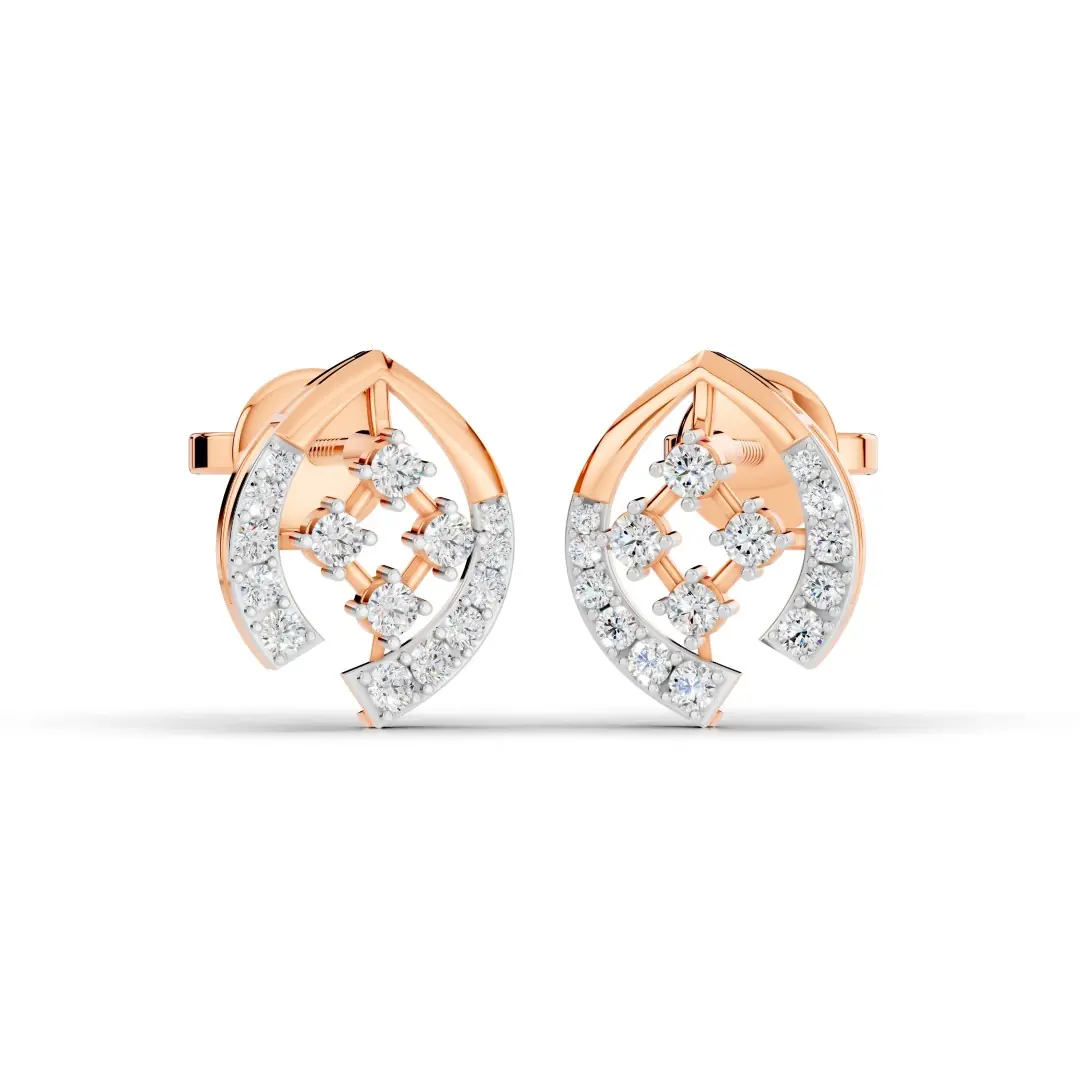
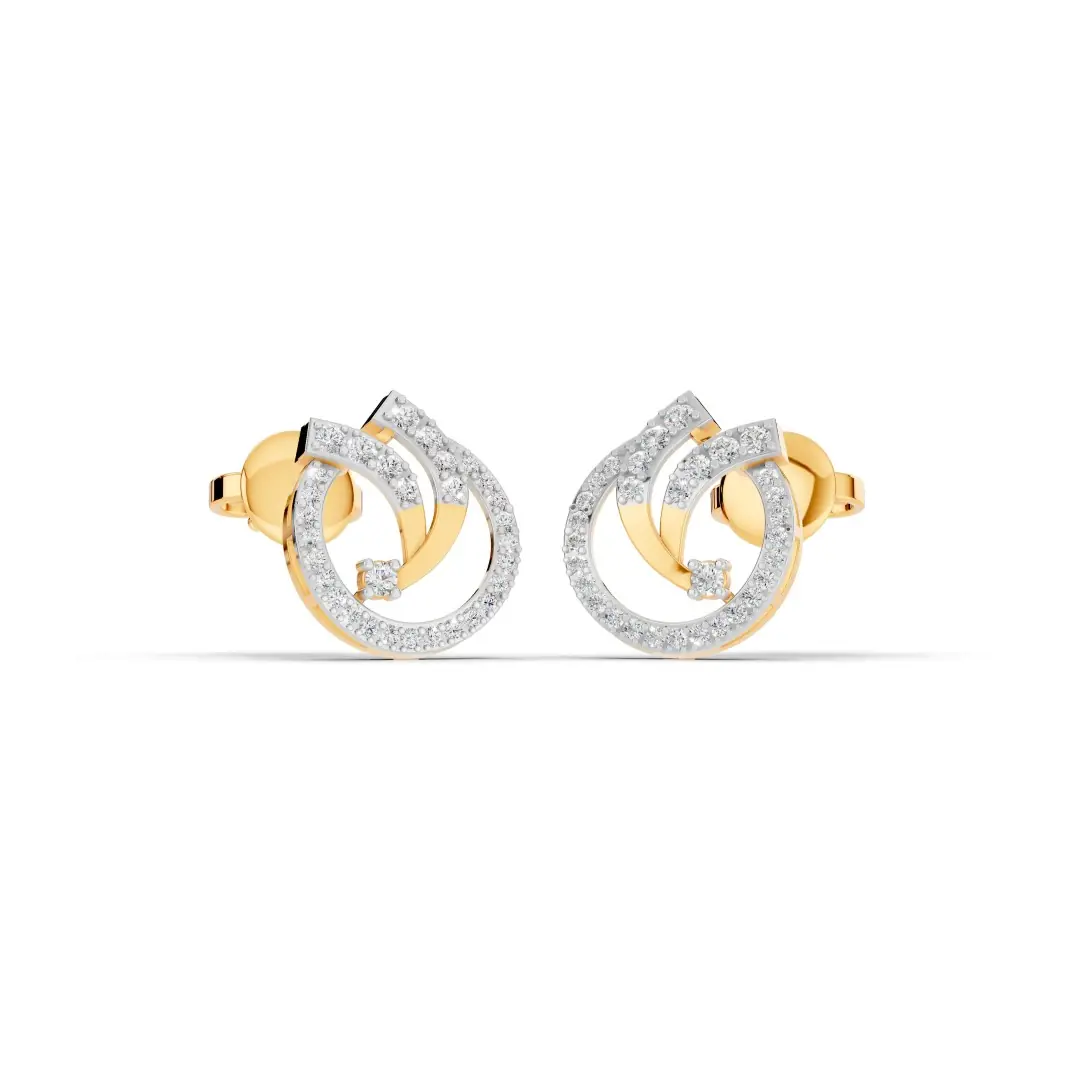
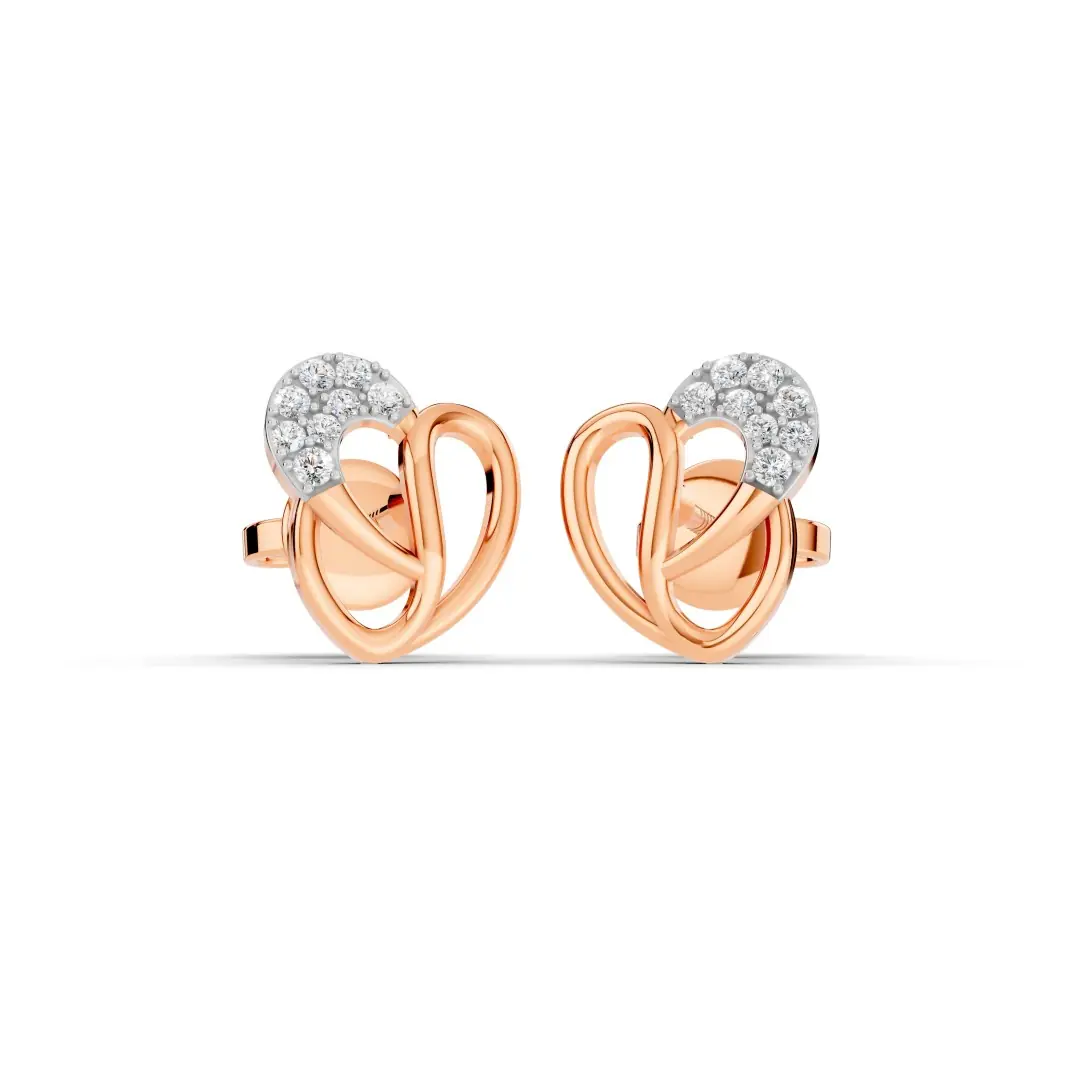
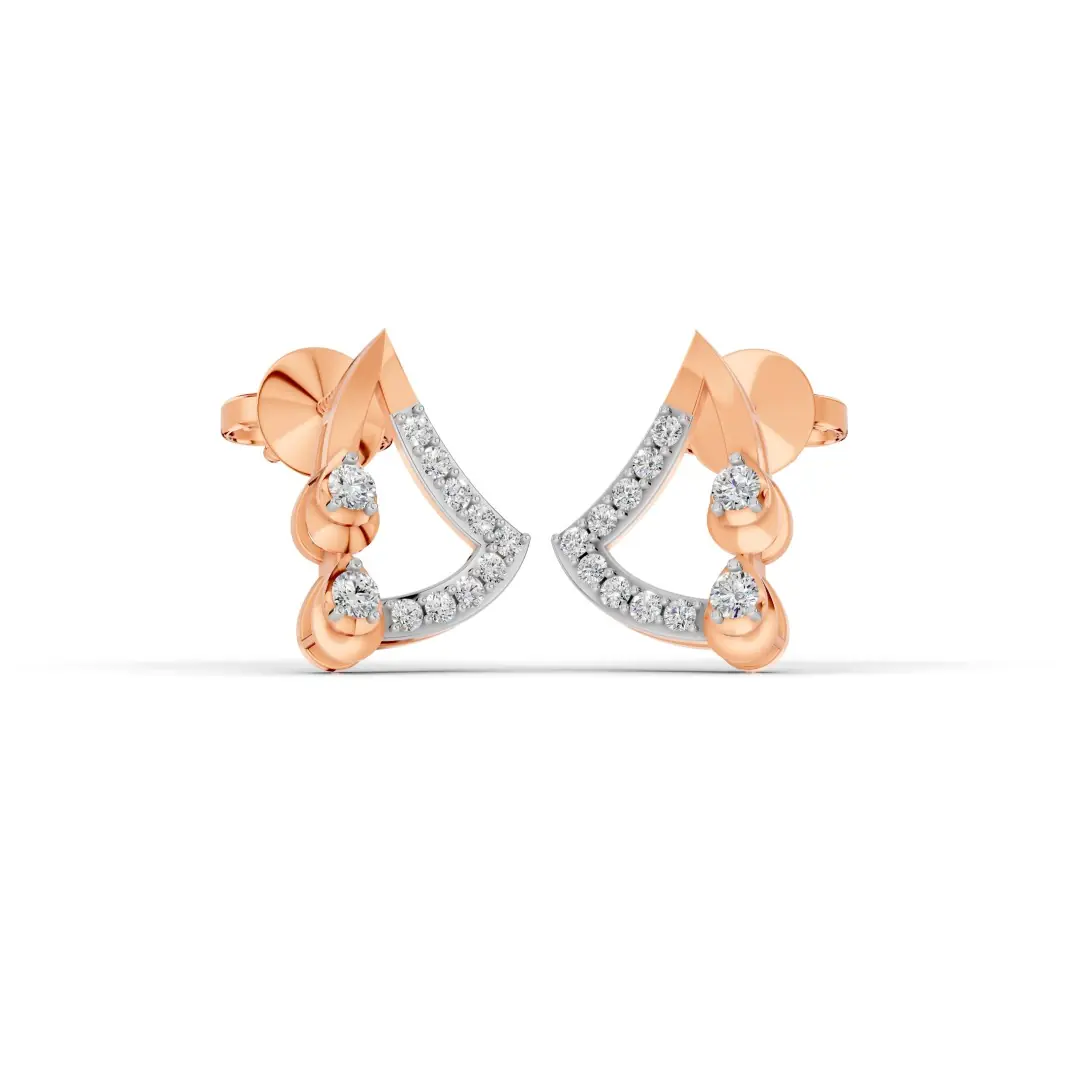
Gold earrings are among the most practical akshaya tritiya jewellery purchases. They cover an enormous range — from simple gold studs that a professional woman wears every day to elaborate jhumkas with intricate goldwork that come out for weddings and festivals. Almost every woman already has earrings in her collection, which means there is always room for a new pair that fills a specific gap.
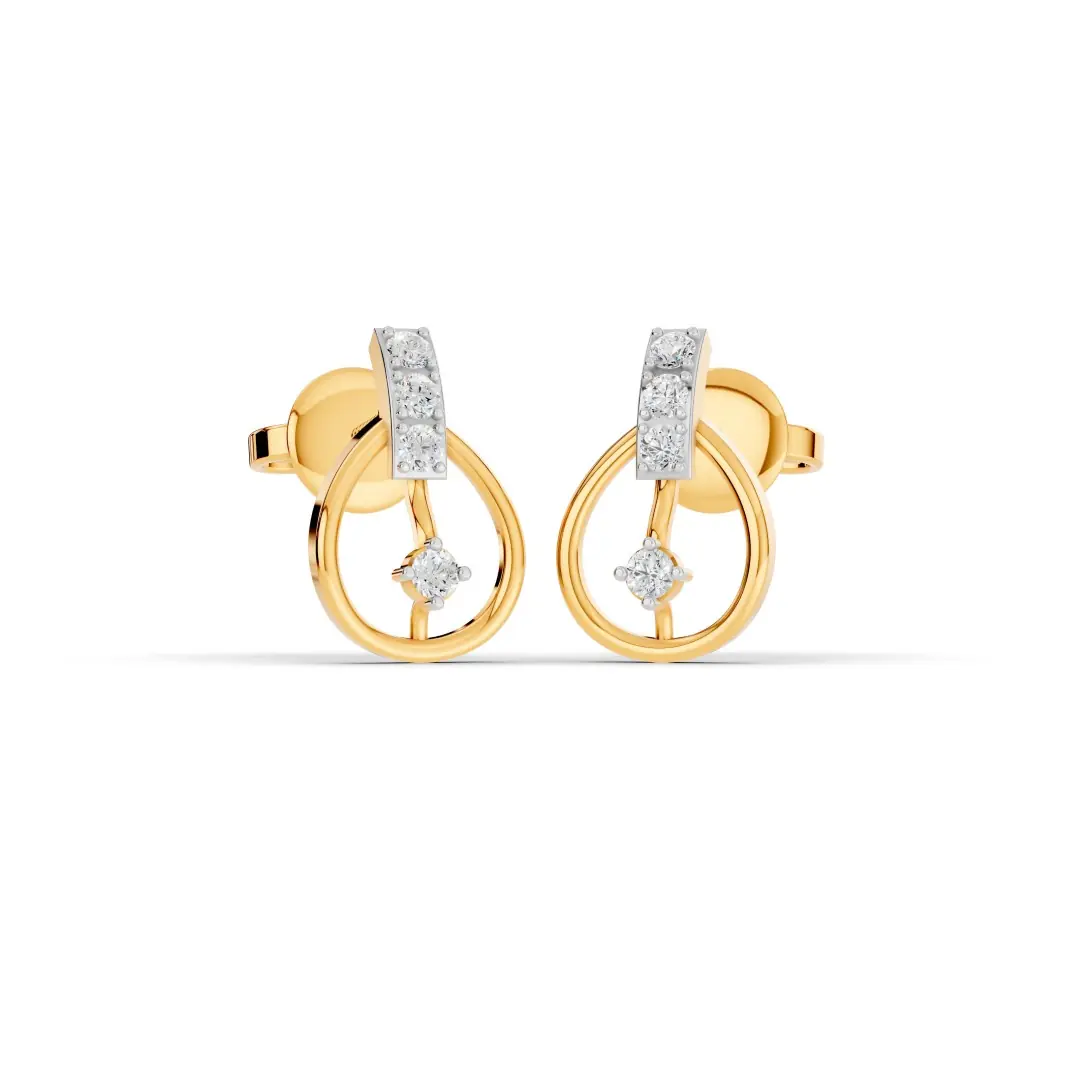
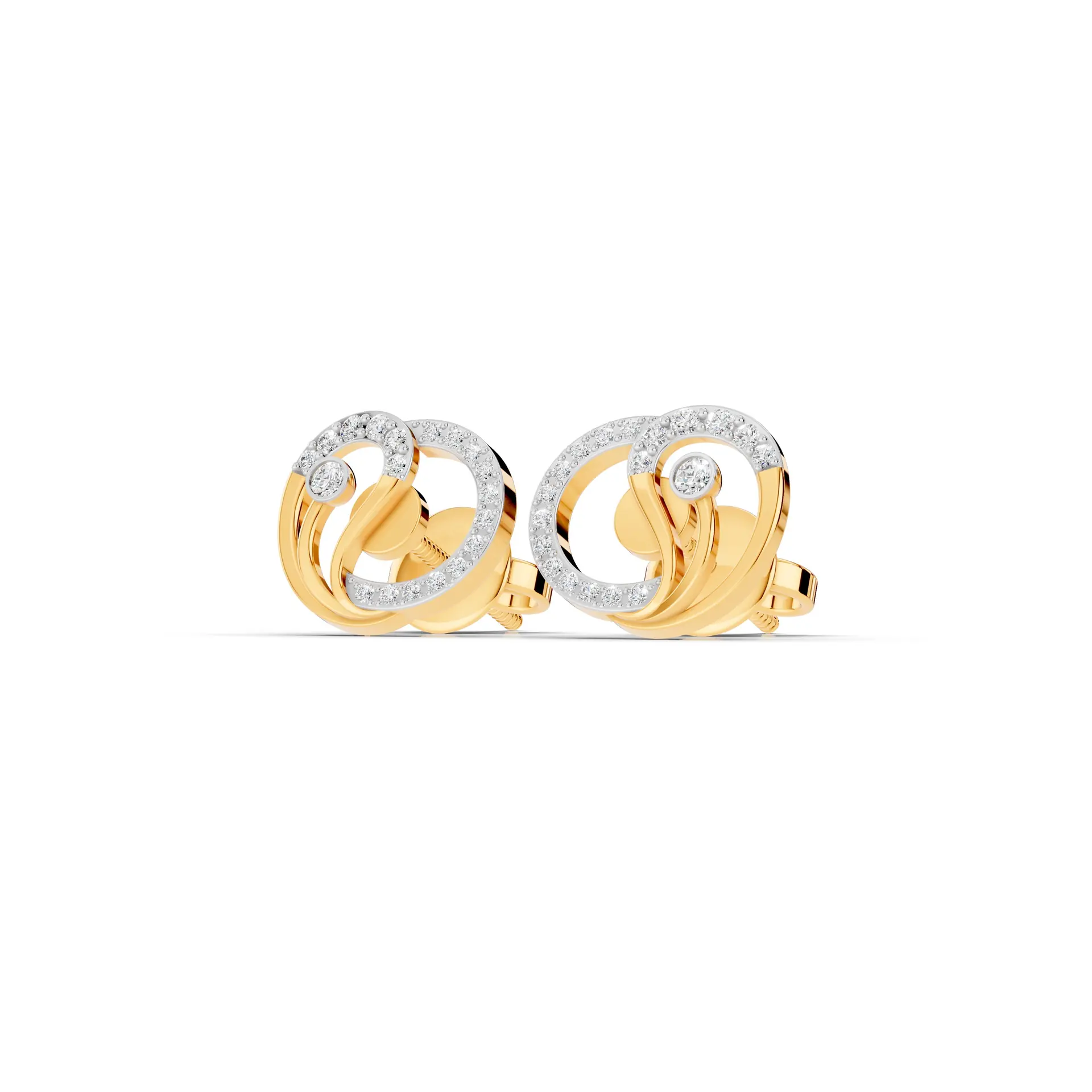
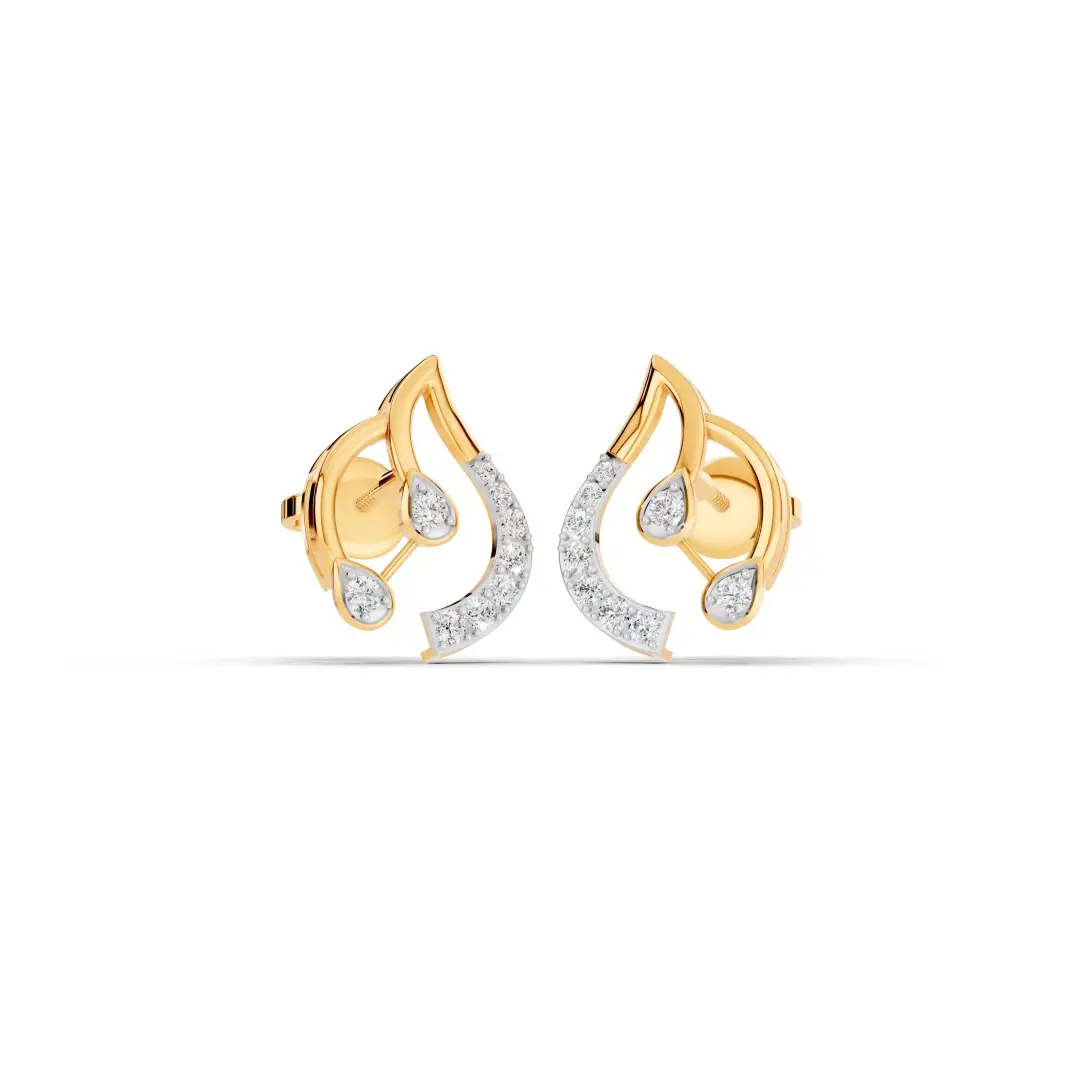
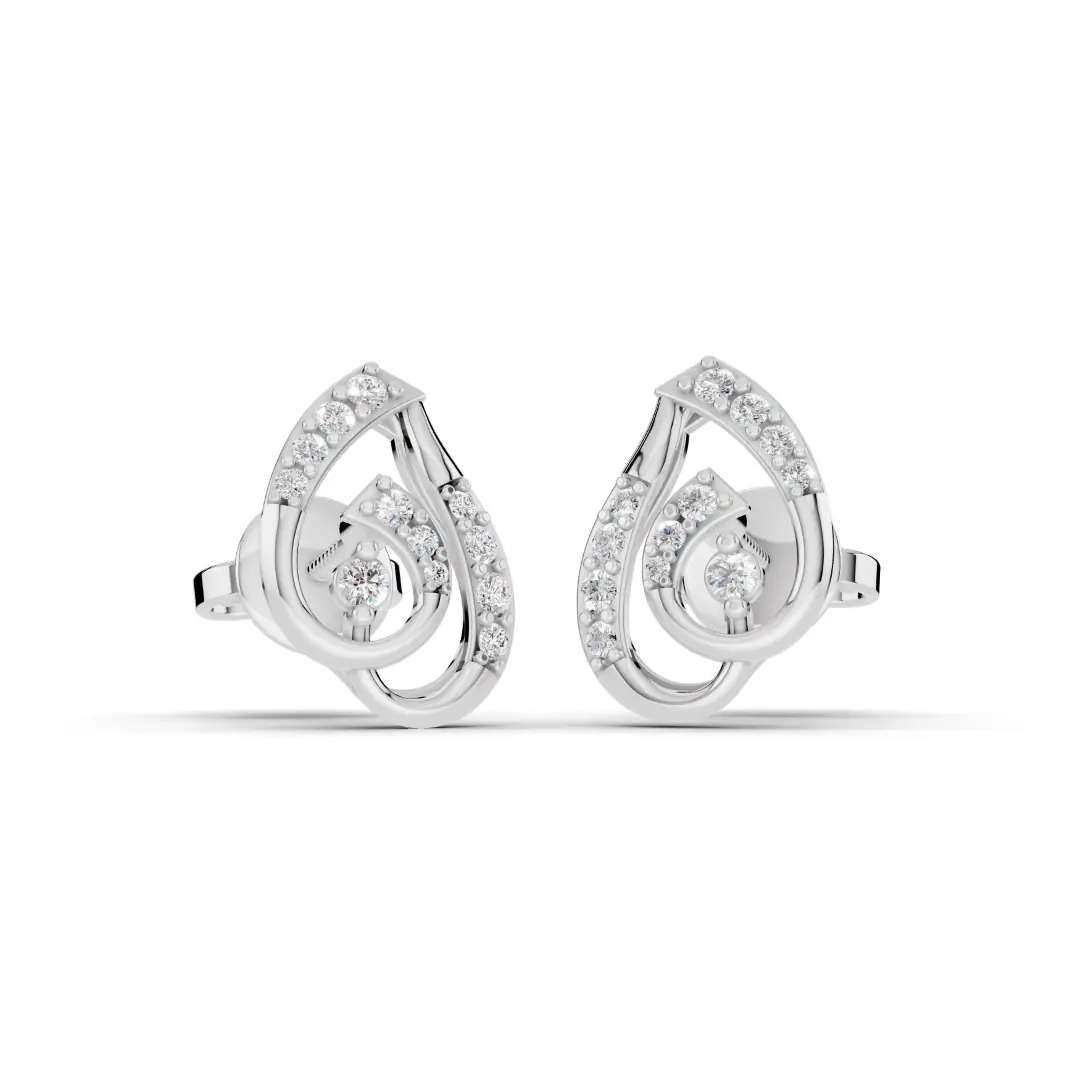
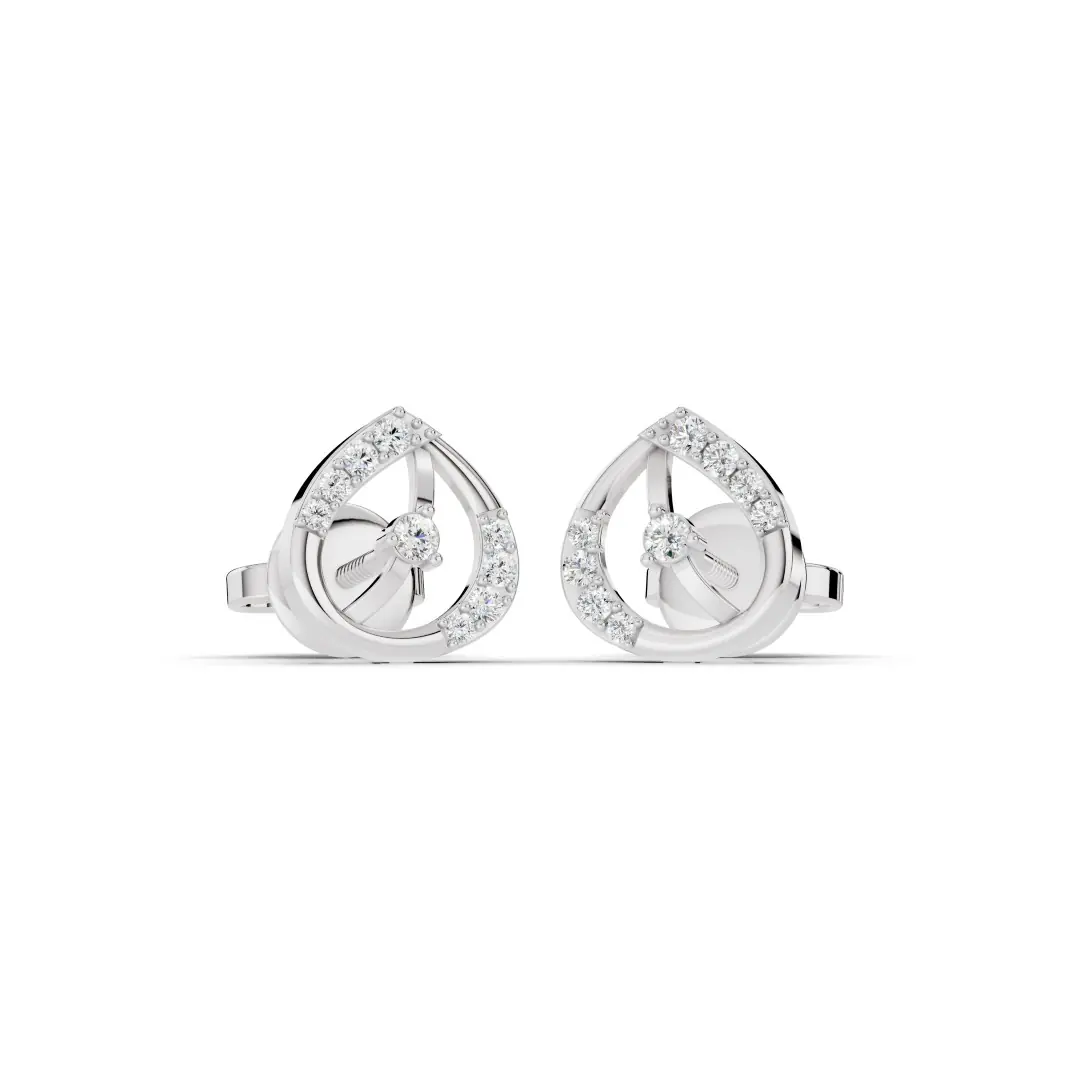
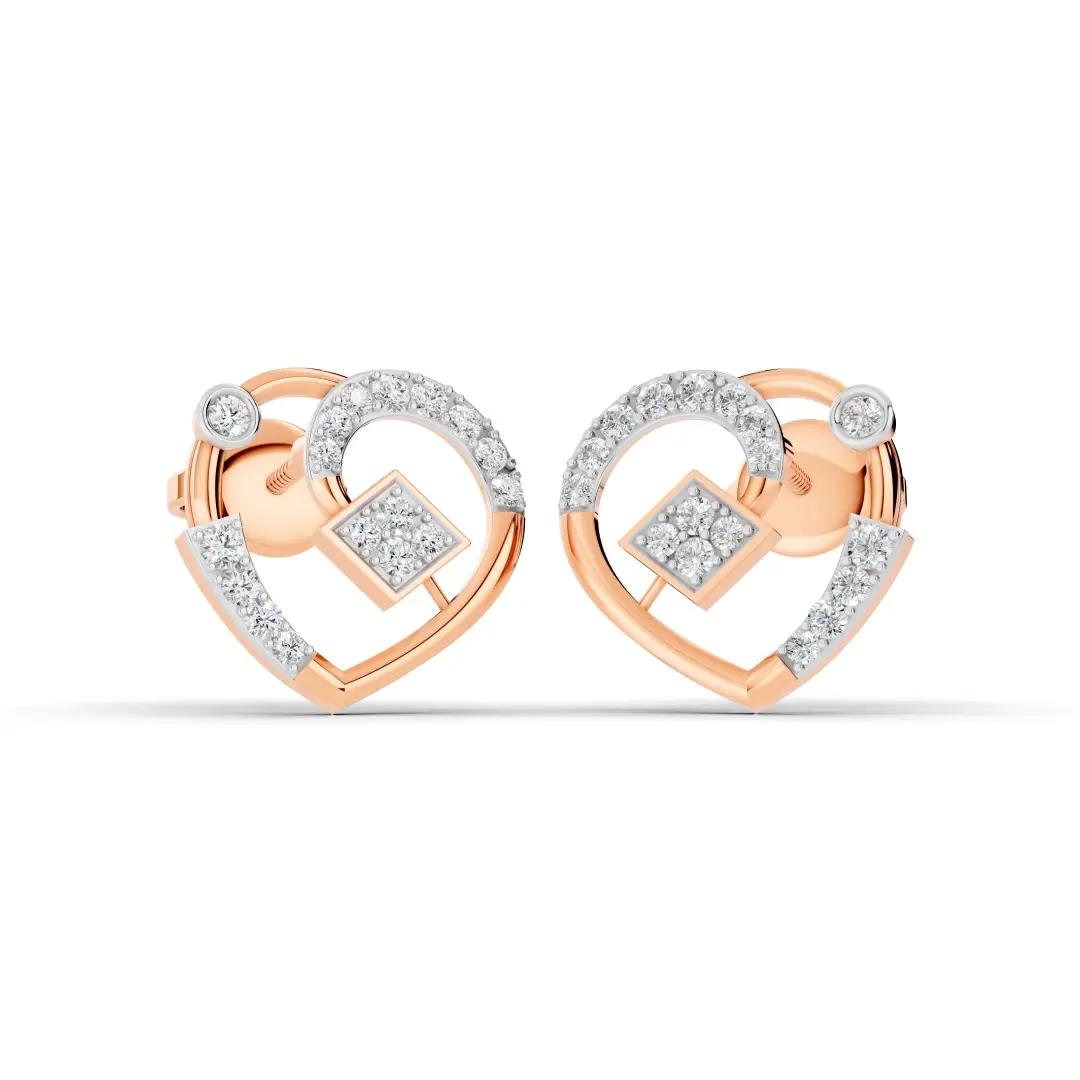
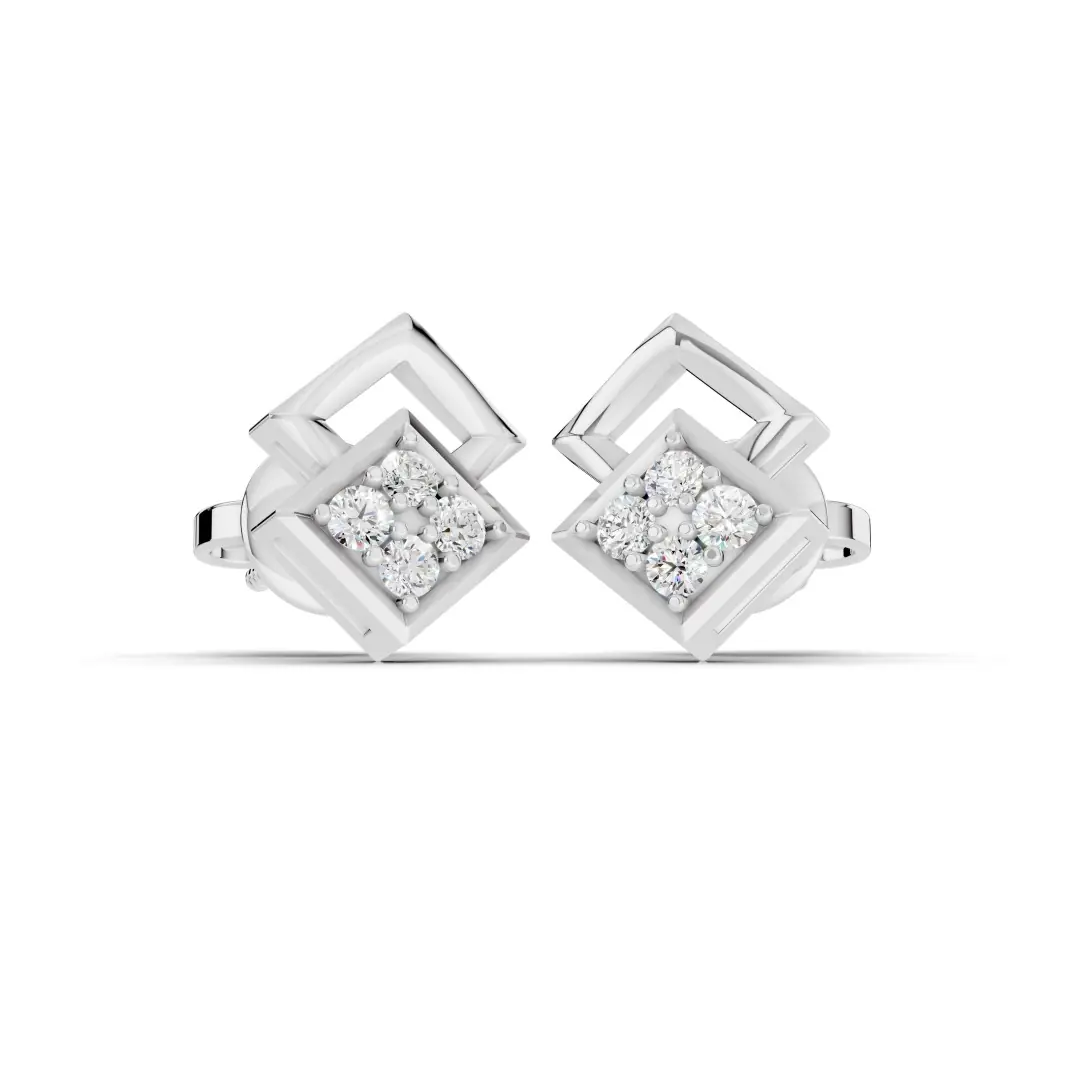
In our gold earring collection, the highlights for Akshaya Tritiya include: small gold ball studs in 22K gold (the most practical everyday earring), gold drop earrings with a single gemstone accent (emerald, ruby, or diamond), traditional jhumka earrings with temple border designs, Chandbali earrings inspired by Mughal jewellery, and diamond stud earrings in 18K white or yellow gold for a contemporary look.
Gold earrings are also among the most popular akshaya tritiya gifts precisely because they suit almost everyone and can be found at a wide range of price points. A pair of simple gold studs can start from Rs. 5,000 to Rs. 8,000, while an elaborate diamond-set pair can go into the lakhs.
Gold & Diamond Rings — Symbols of Commitment and New Beginnings
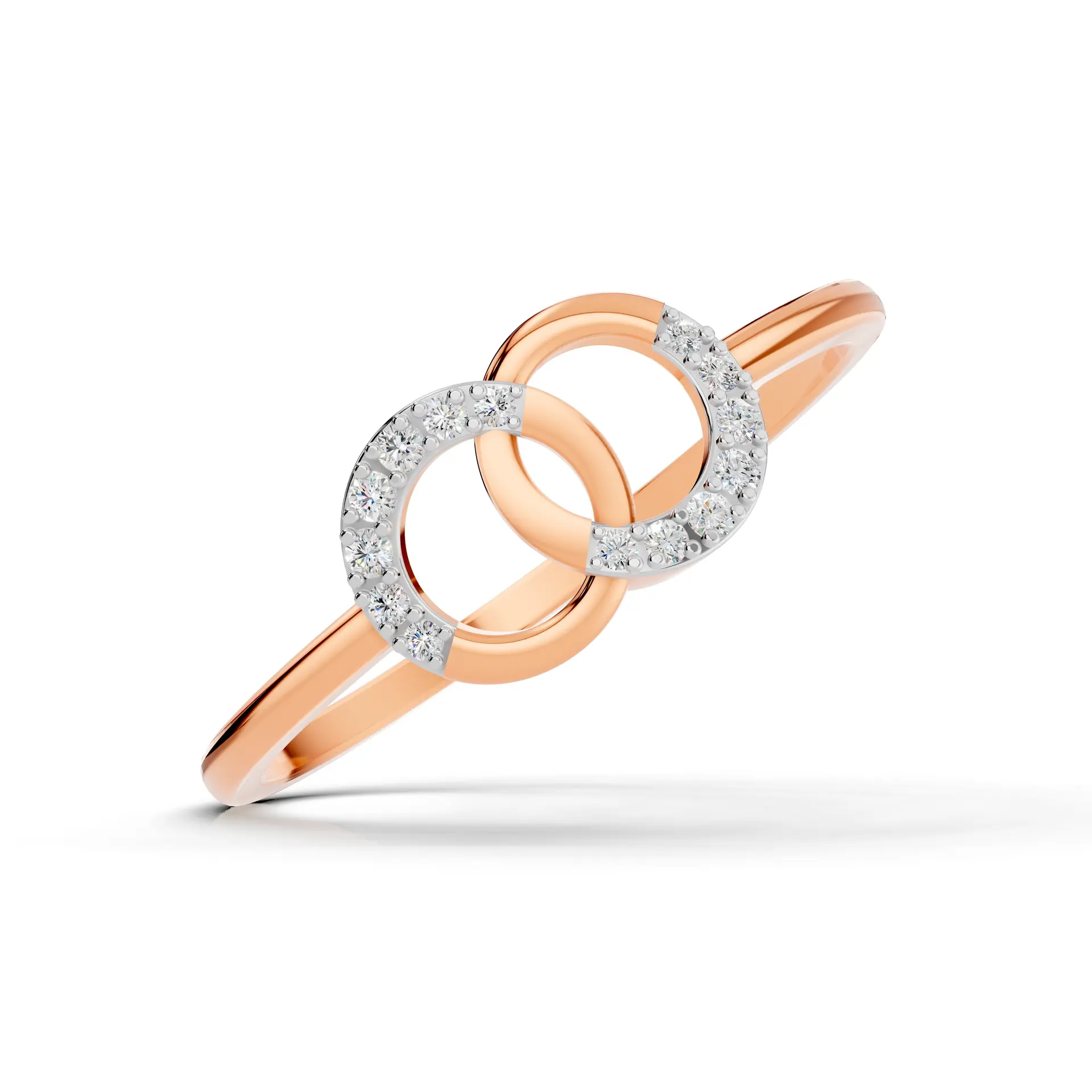
Gold rings carry strong symbolic weight on Akshaya Tritiya. They represent a circle — continuous, unbroken, without beginning or end — which mirrors perfectly the eternal nature of the day itself. Many buyers choose to purchase a gold ring on Akshaya Tritiya as a personal commitment to a new chapter.
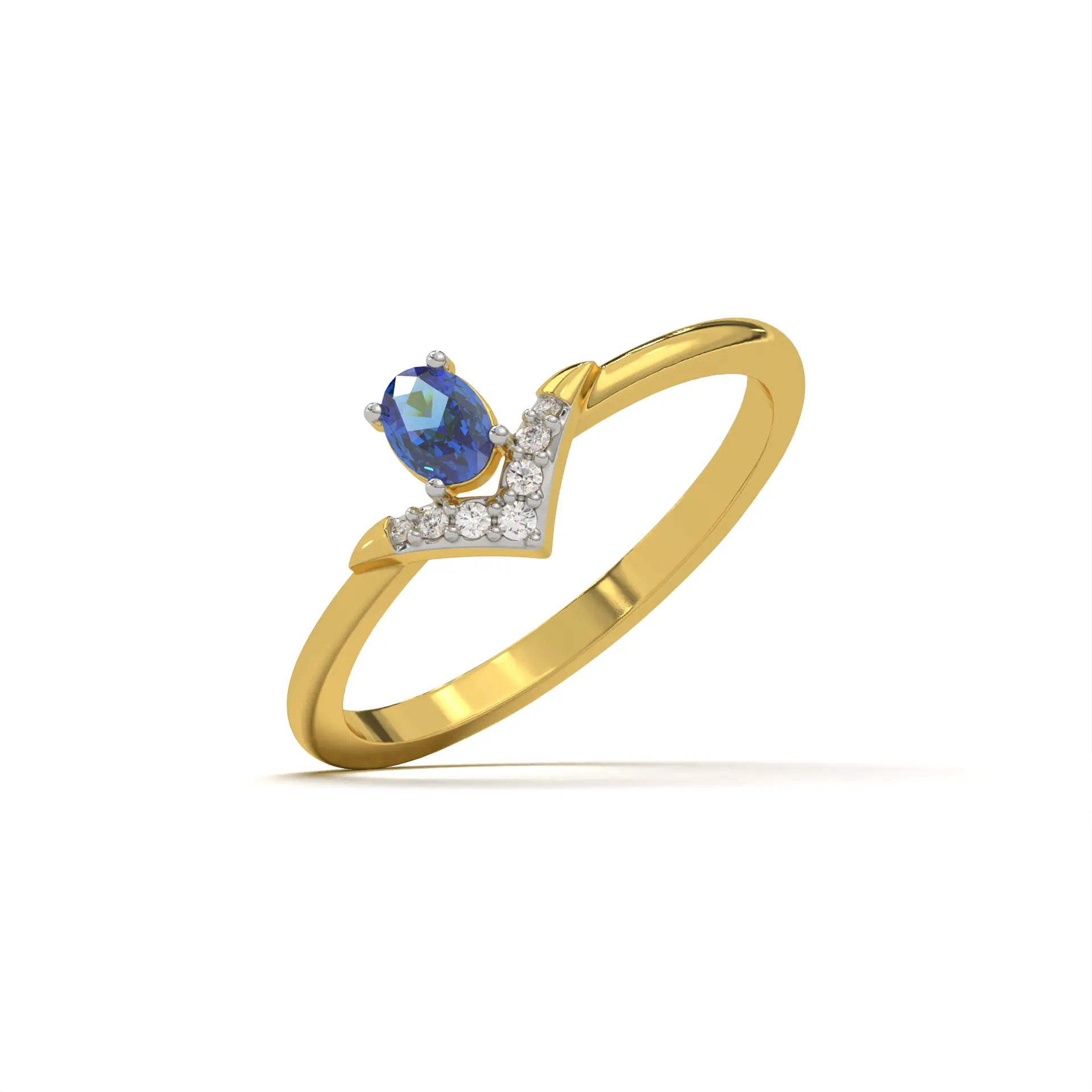
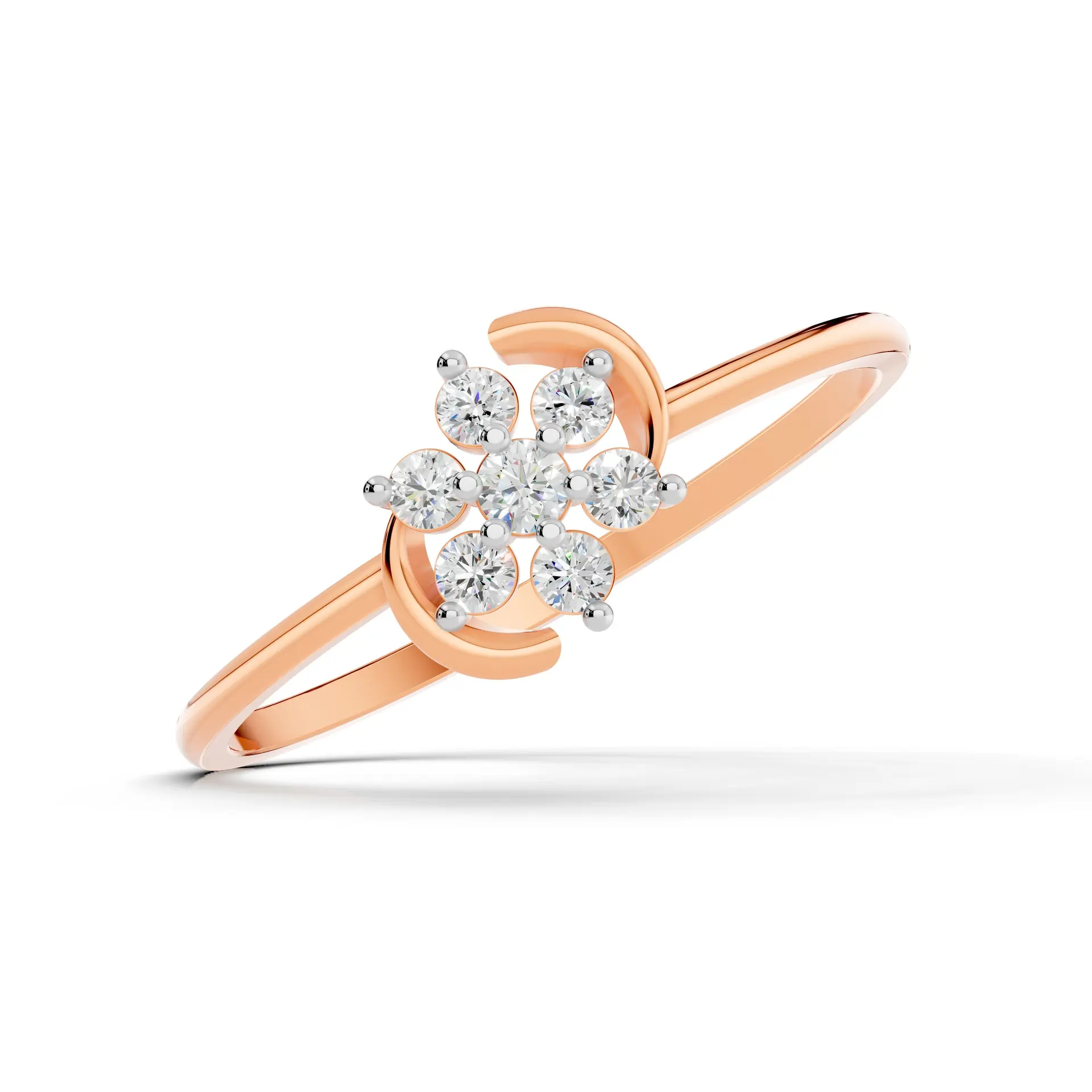
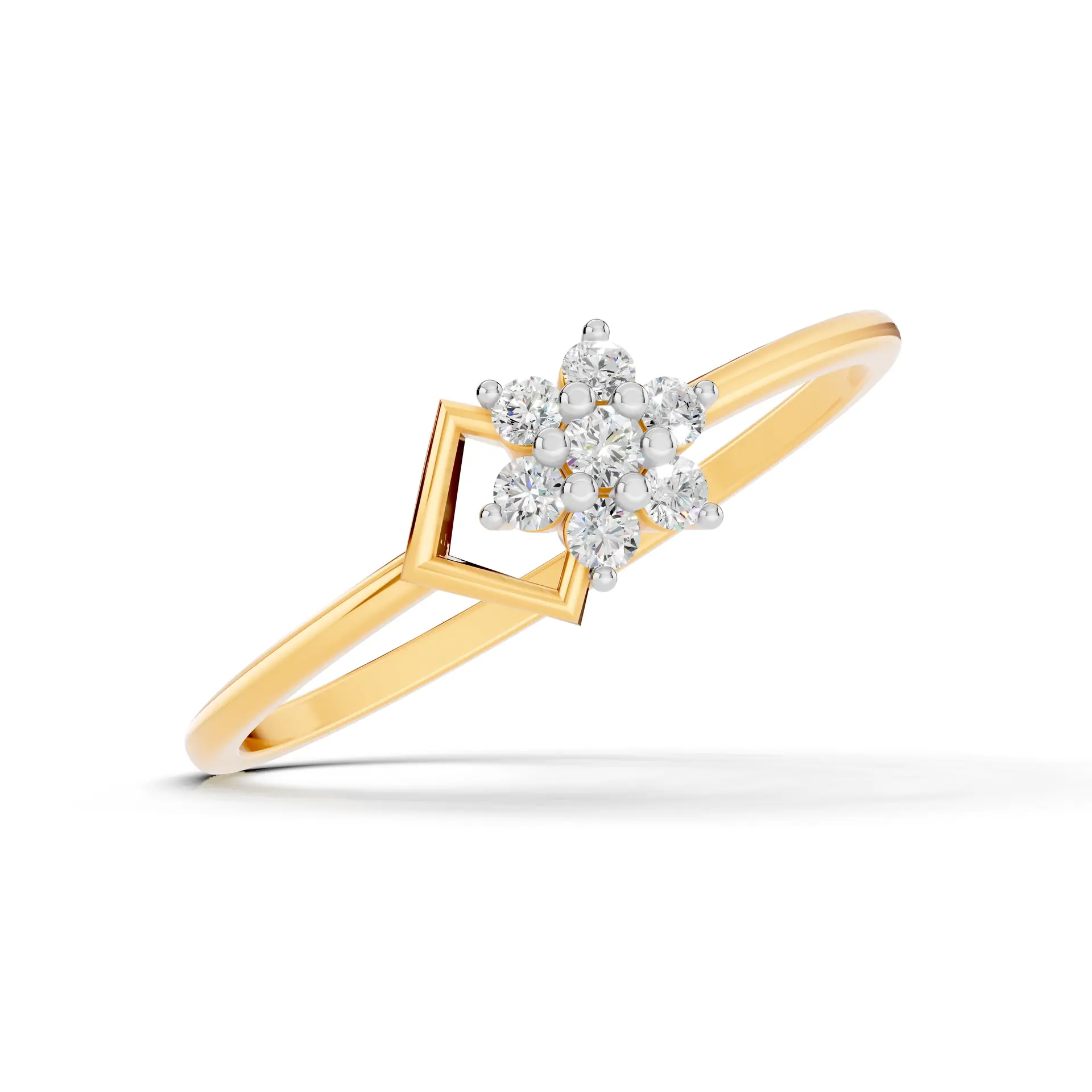
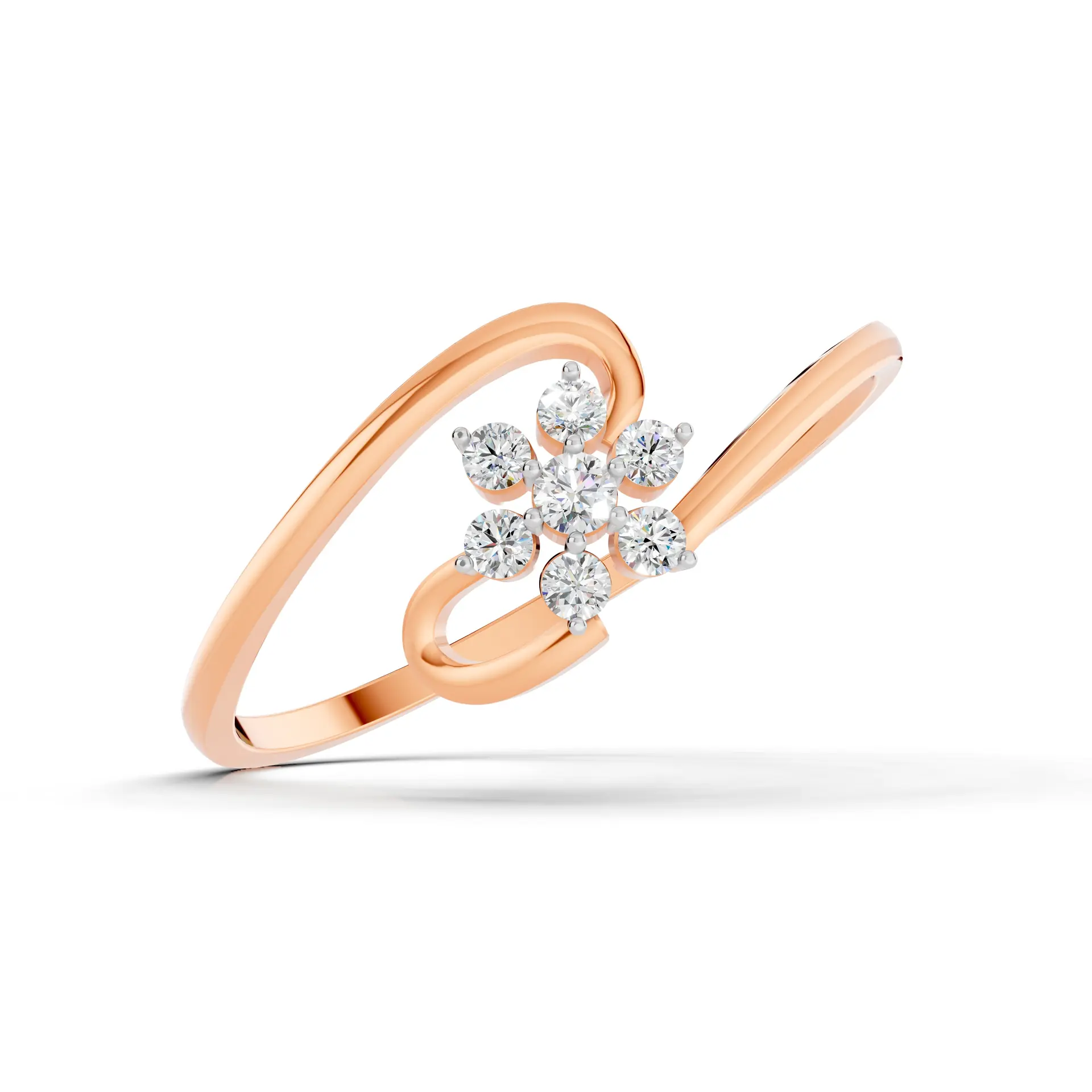
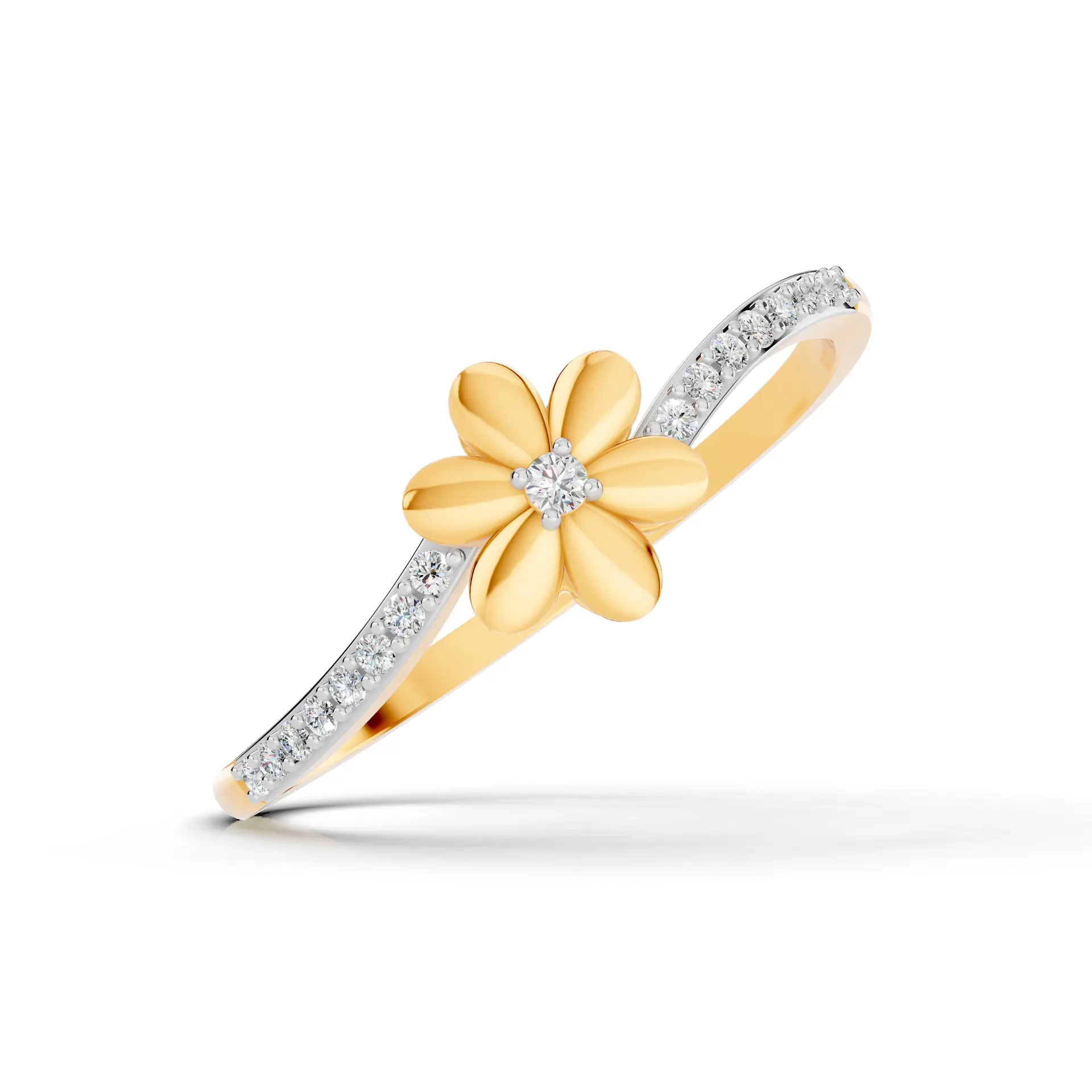
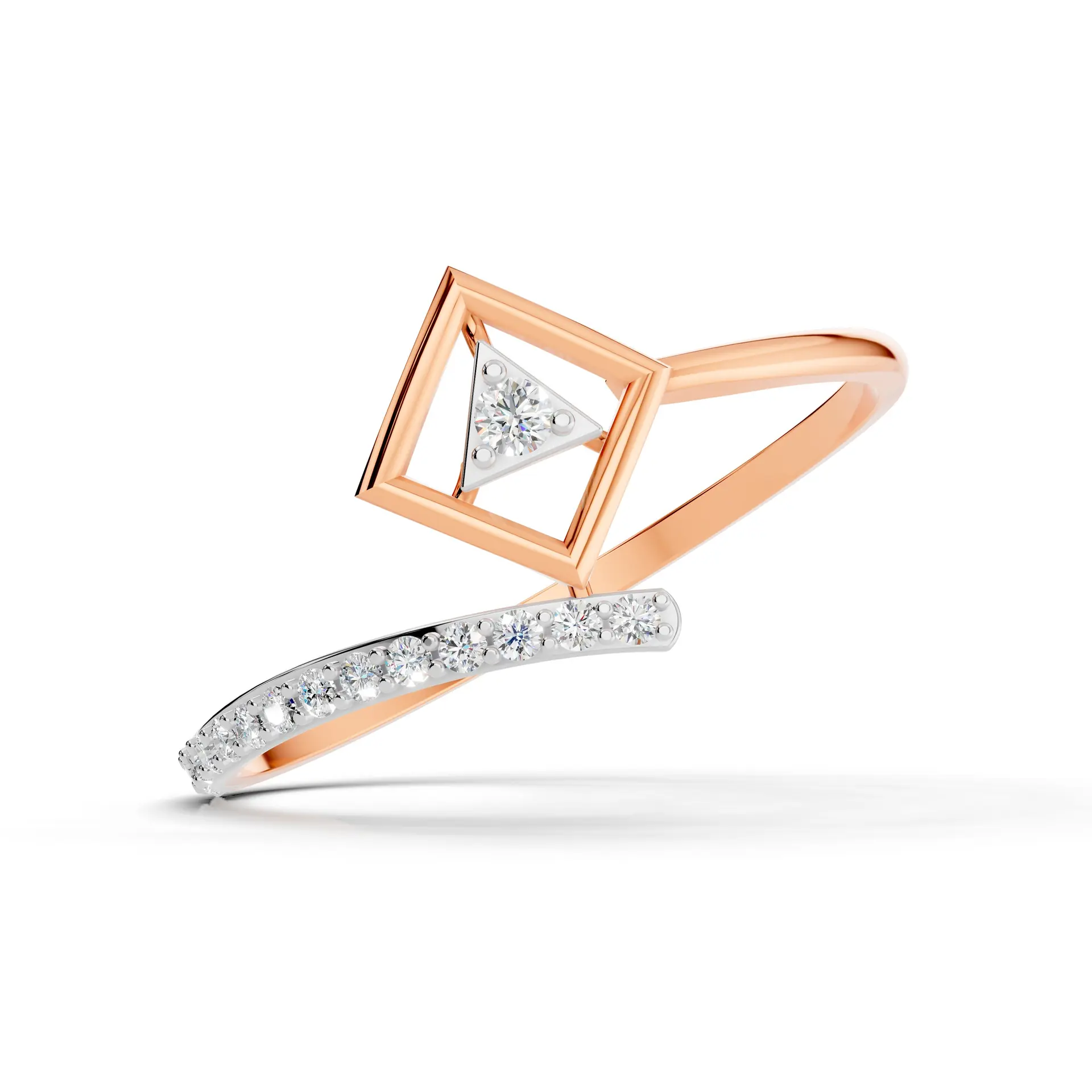
Our gold ring collection for Akshaya Tritiya includes plain gold bands in 22K gold for minimalist buyers, floral cluster rings with small gemstone accents, solitaire diamond rings in 18K gold for those who want something more contemporary, stackable rings designed to be worn in combinations, and traditional temple-design rings with deity motifs for devotional buyers.
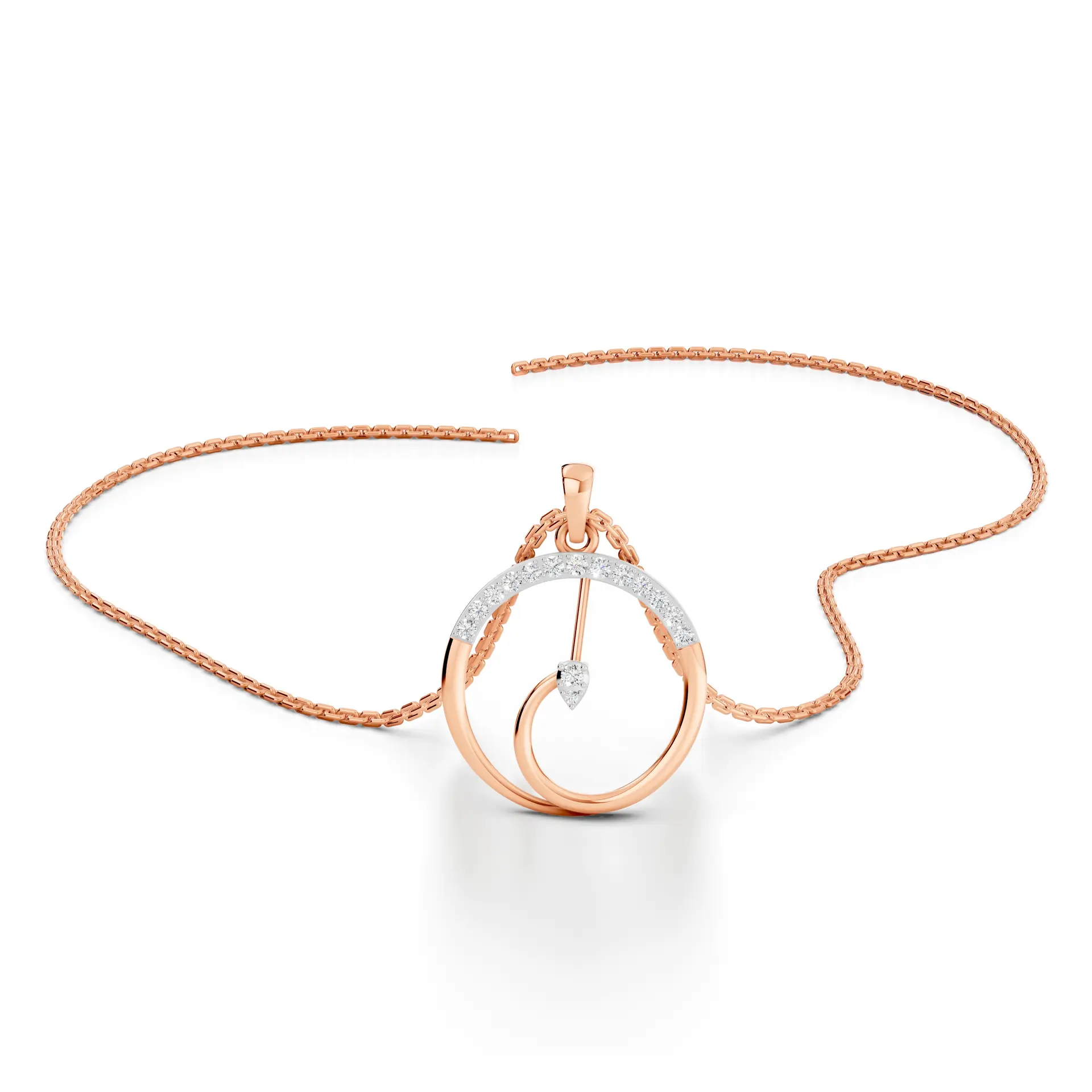
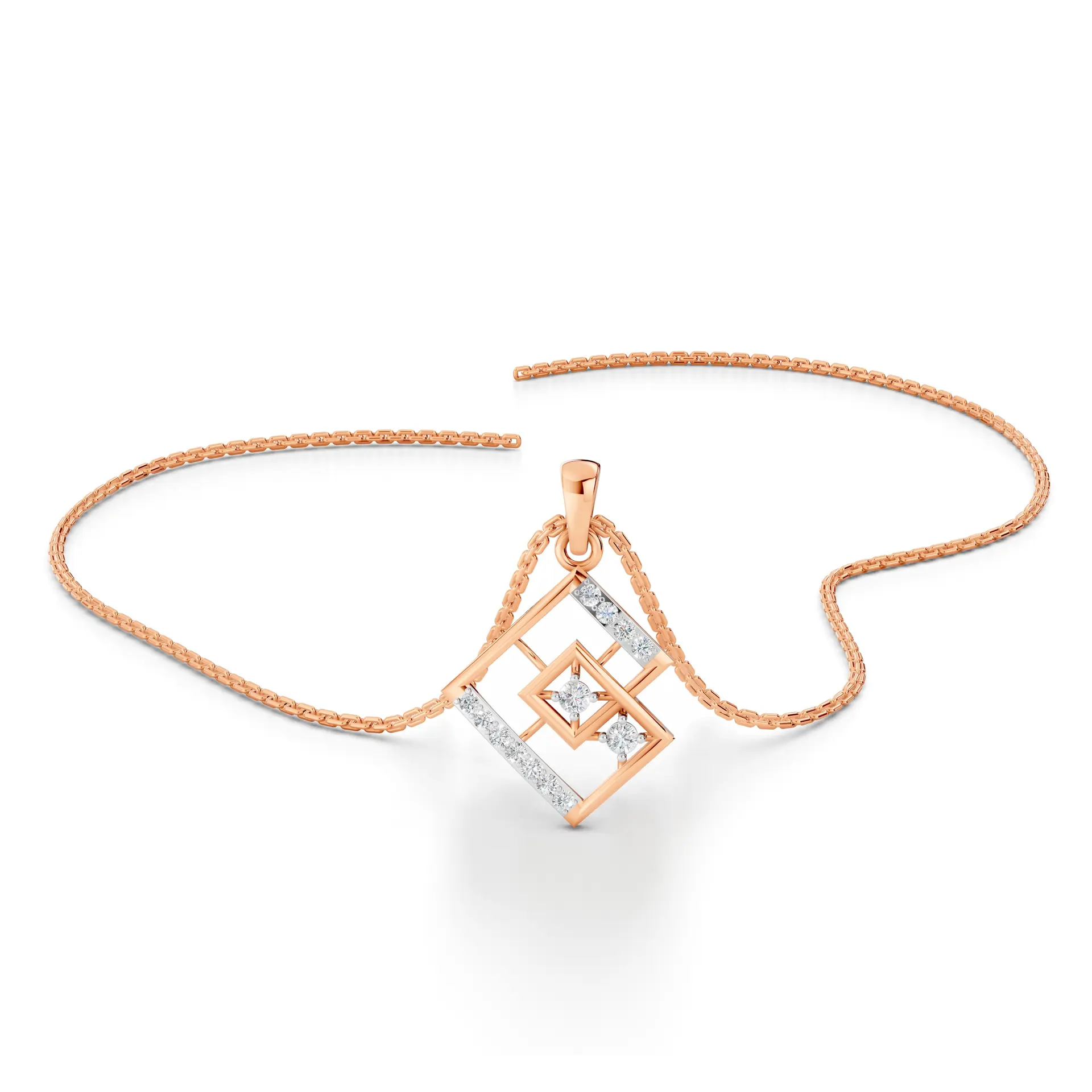
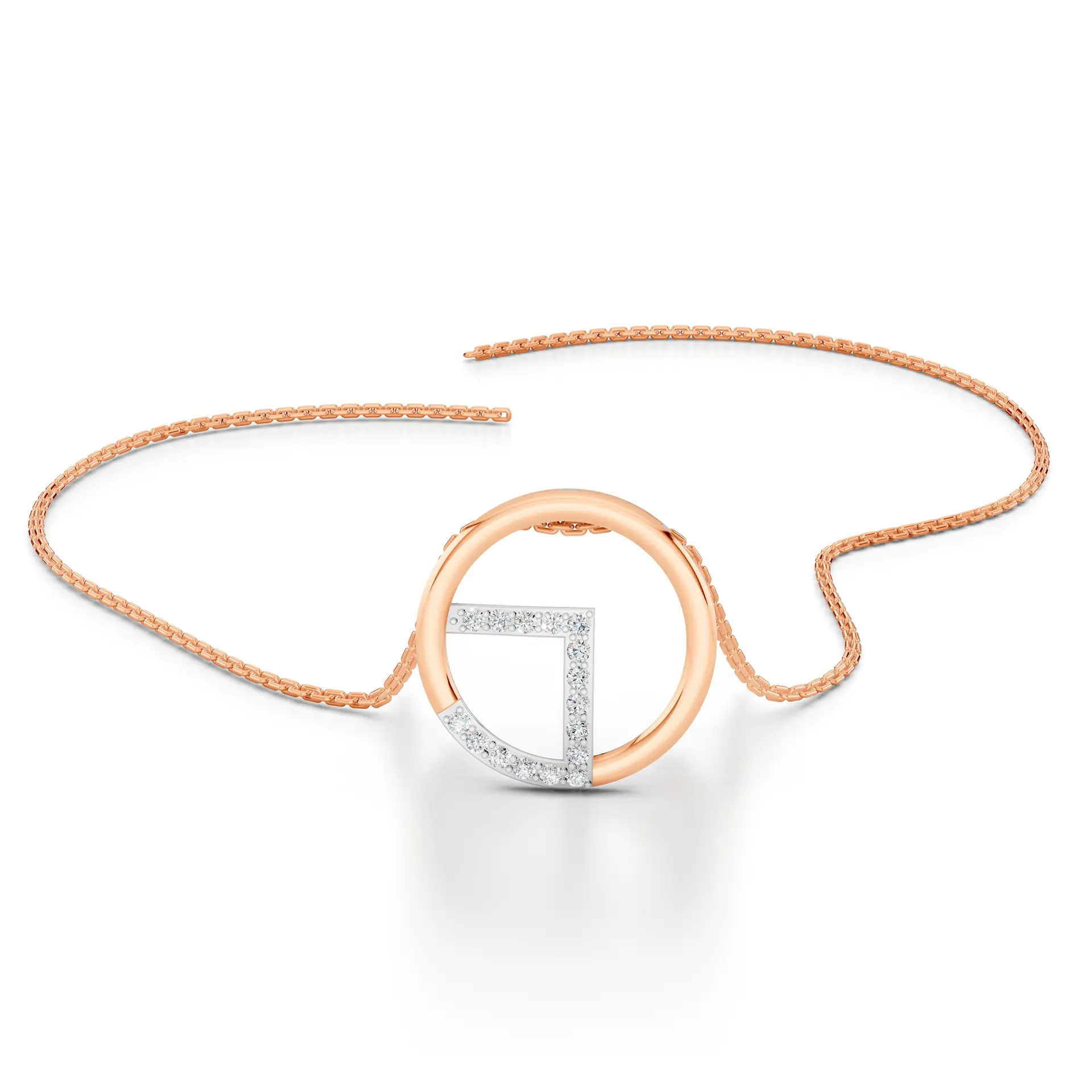
Gold & Diamond Pendants and Chains
A gold pendant on a fine chain is one of the most versatile pieces of akshaya tritiya jewellery you can own. It works for daily wear, it layers beautifully with other necklaces, and it can carry personal meaning — a deity pendant, an initial pendant, a symbol that matters to you.
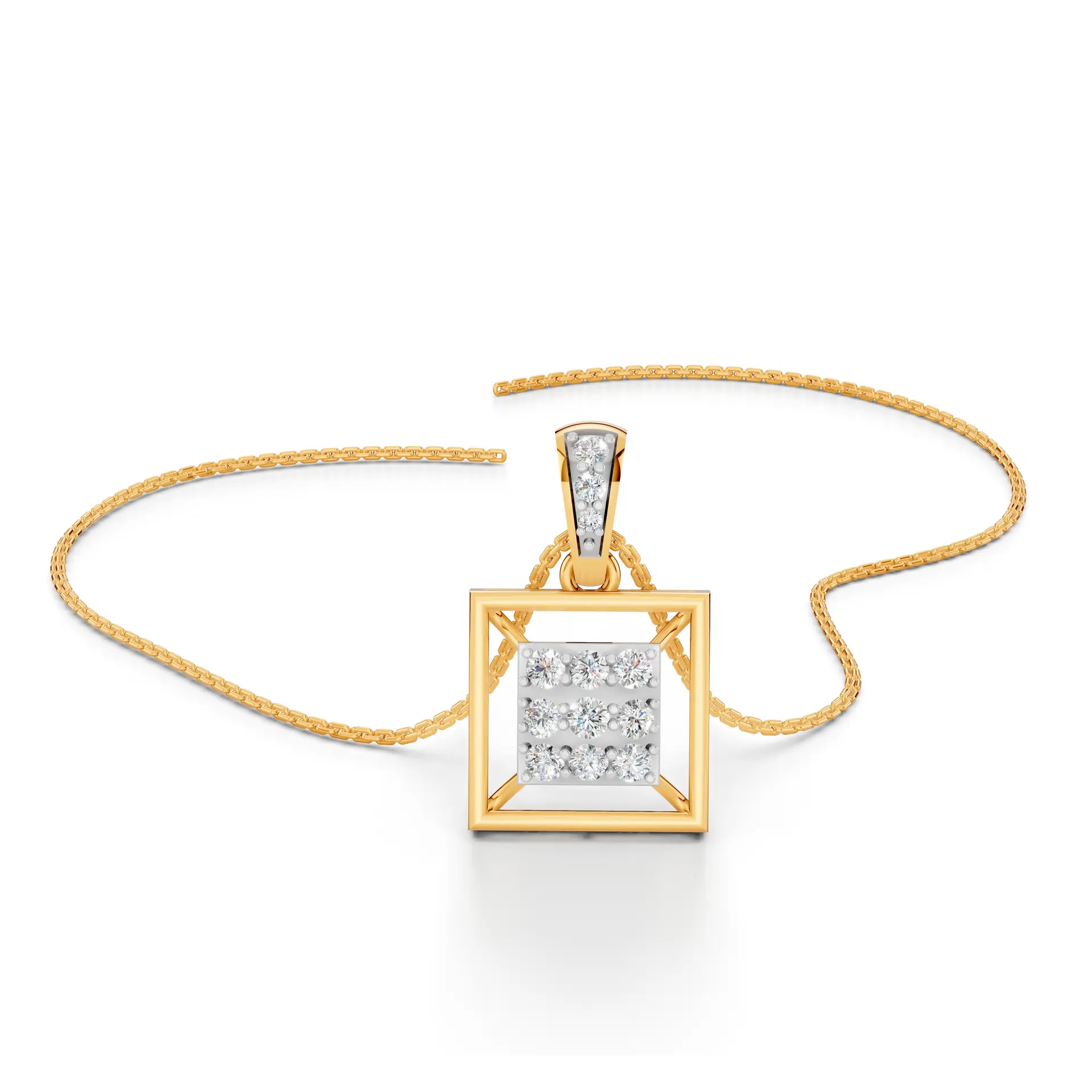
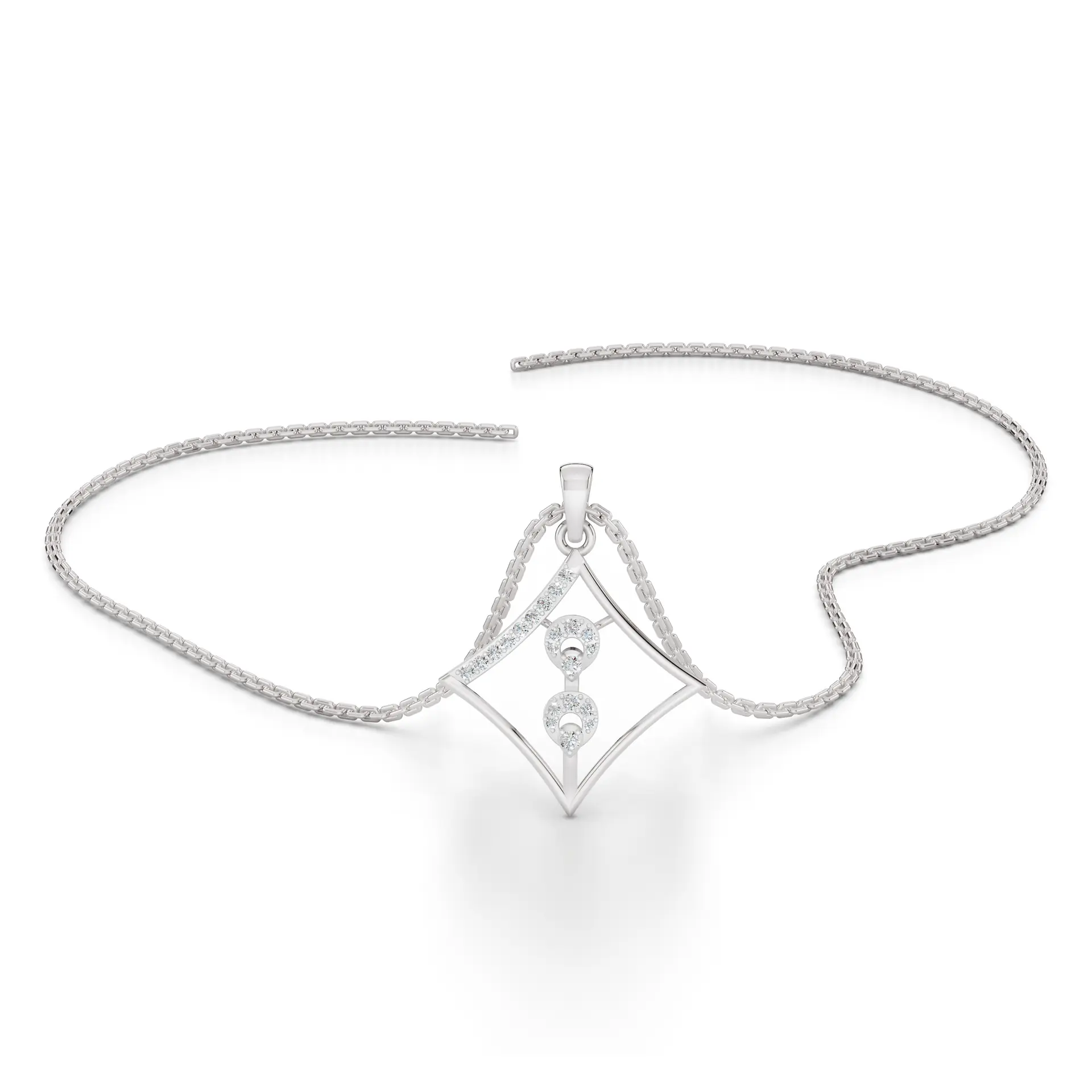
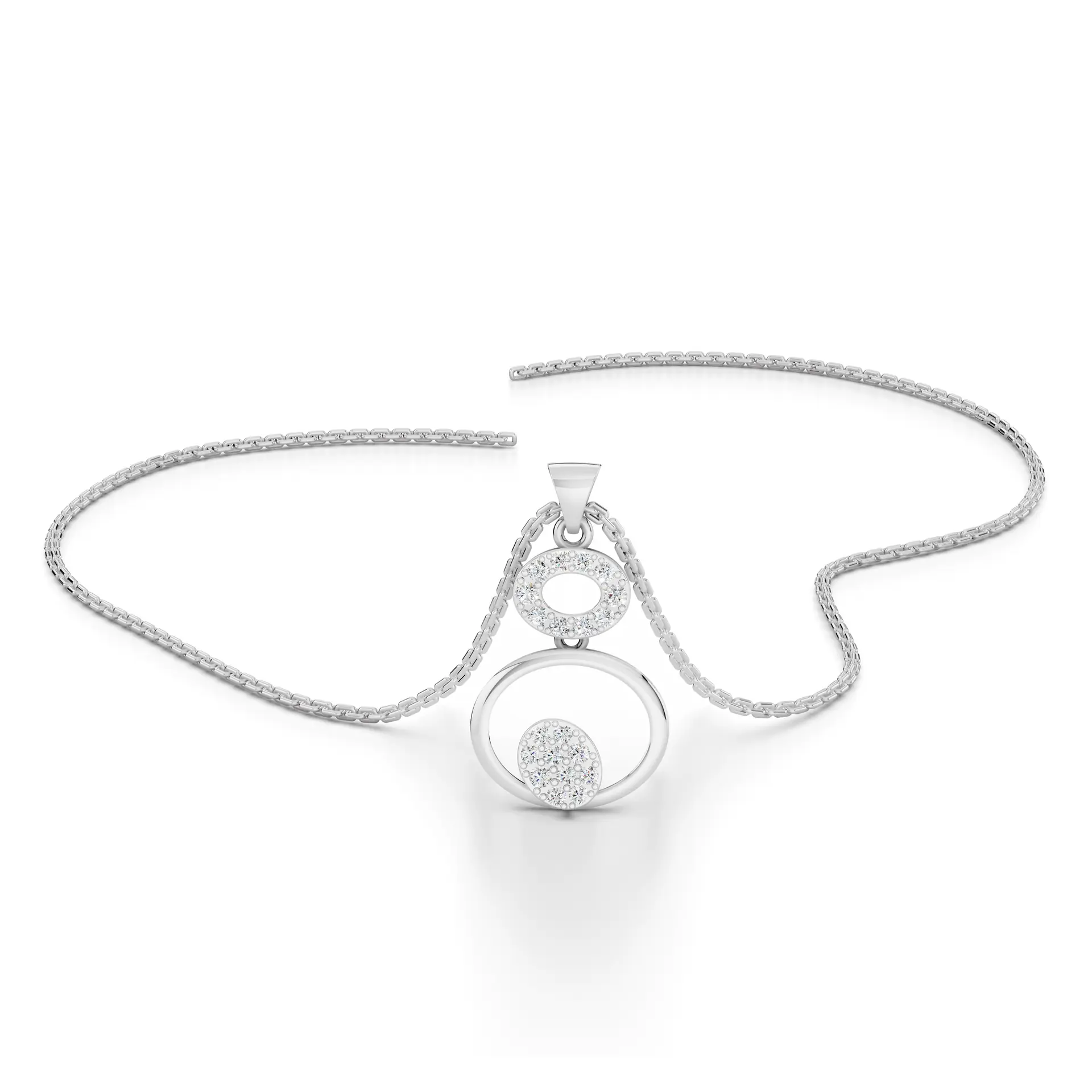
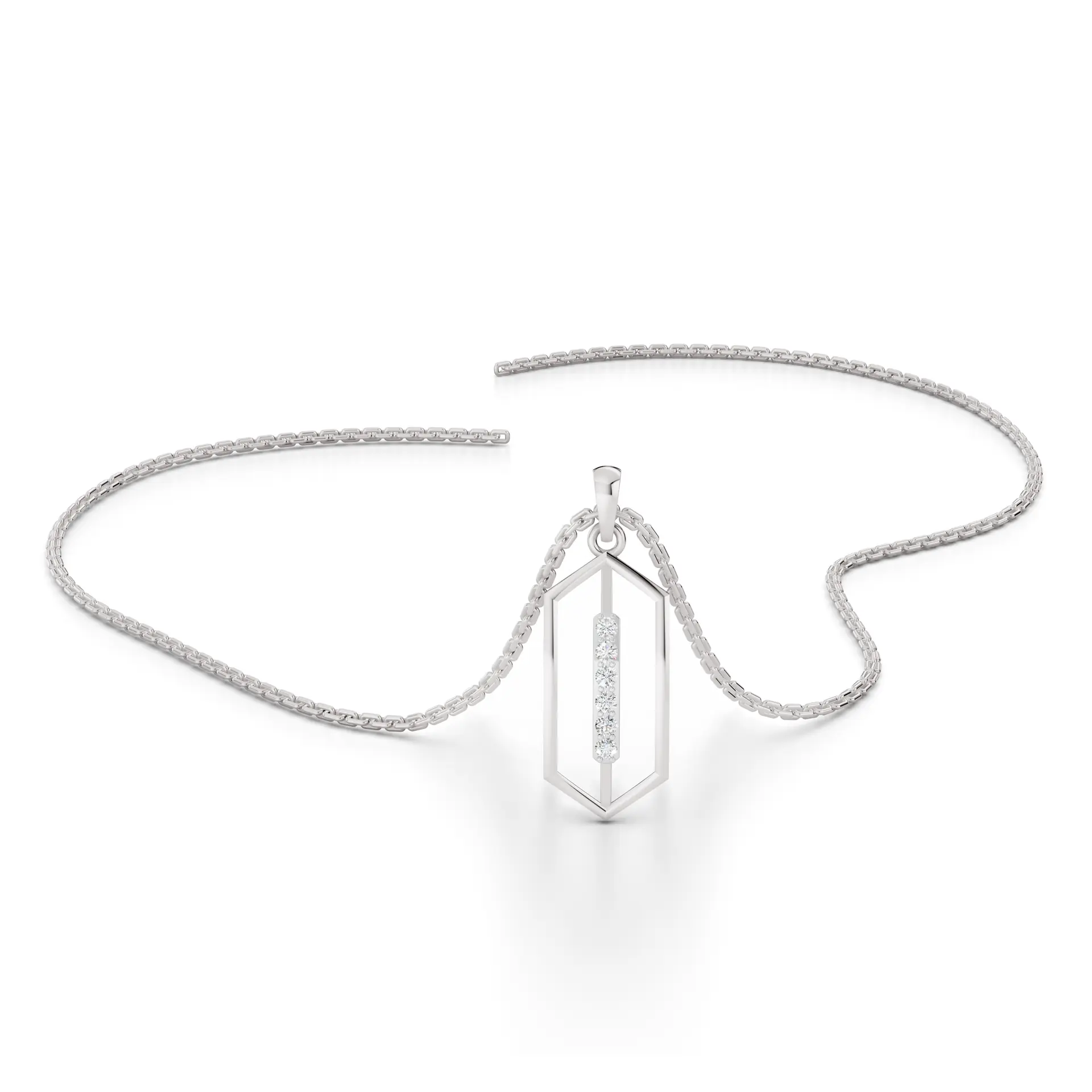
Our pendant collection includes: 22K gold deity pendants (Lakshmi, Ganesh, Om, Trishul), geometric gold pendants in modern designs, diamond solitaire pendants on 18K gold chains, personalized name or initial pendants in 22K gold, and mangalsutra pendants for married women who want to update this traditional piece.
Diamond Jewellery for Akshaya Tritiya — The Modern Choice
The definition of appropriate akshaya tritiya jewellery has evolved significantly in the last decade. Diamonds, once considered a secondary choice to gold on this day, are now firmly established as auspicious purchases for Akshaya Tritiya. The reasoning is sound: diamonds represent clarity, purity, strength, and permanence — all qualities that resonate deeply with the spirit of a day that celebrates things that never diminish.
Our diamond jewellery collection for Akshaya Tritiya spans every category. Diamond earrings range from simple studs in 0.10 to 0.50 carat to more elaborate drop earrings with certified brilliant-cut stones. Diamond pendants in our collection include classic solitaires as well as more elaborate cluster designs in floral and geometric patterns. Diamond bangles in 18K gold have become particularly popular as akshaya tritiya gifts for wives and mothers.
All diamonds in our collection are accompanied by certification from recognised gemological laboratories. We provide complete information on each stone's cut, colour, clarity, and carat weight, so you know precisely what you are purchasing.
Gold Coins — The Pure Investment Choice
For buyers whose primary motivation on Akshaya Tritiya is investment rather than adornment, BIS hallmarked gold coins are the cleanest and most efficient choice. Our gold coins are available in 24K purity (999.9 fine) in weights ranging from 1 gram to 50 grams.
A 1-gram gold coin is an accessible entry point — it can be purchased for approximately Rs. 10,000 to Rs. 15,000 depending on the market rate on the day, making it an ideal akshaya tritiya gift for employees, young relatives, or children. A 10-gram coin represents a more substantial investment while remaining affordable for most middle-class families.
Mangalsutras — A Meaningful Akshaya Tritiya Purchase for Married Women
For married women, Akshaya Tritiya is considered a particularly auspicious time to purchase or upgrade a mangalsutra — the sacred necklace that symbolises the marriage bond. Our mangalsutra collection includes both traditional designs (black bead mangalsutras in 22K gold with pendant options) and contemporary versions (diamond-set mangalsutras in 18K gold that work as everyday jewellery).
Complete Akshaya Tritiya Jewellery Buying Guide — Eight Steps to a Purchase You Will Never Regret
Step 1 — Know Your Purpose Before You Browse
The single most important thing you can do before shopping for akshaya tritiya jewellery is to know why you are buying. Different purposes lead to very different ideal purchases. If your purpose is investment, prioritise gold coins in 24K with no making charges. If your purpose is a wearable ornament, focus on 22K gold jewellery in a design that fits your lifestyle. If your purpose is gifting, think about the recipient's lifestyle, age, and preferences before browsing. If your purpose is marking a milestone, look for pieces with personal symbolism.
Step 2 — Set a Realistic Budget
Gold jewellery shopping, especially on a high-emotion occasion like Akshaya Tritiya, carries a real risk of overspending. Set your budget before entering any store or opening any website. As rough benchmarks for 2026 prices: a 1-gram gold coin costs approximately Rs. 12,000 to Rs. 15,000. A pair of small gold stud earrings in 22K starts from about Rs. 8,000 to Rs. 15,000. A 10-gram gold bangle in 22K will be approximately Rs. 80,000 to Rs. 95,000. A complete gold necklace and earring set in 22K can range from Rs. 1.5 lakh to Rs. 5 lakh or more.
Step 3 — Understand Gold Purity
Gold purity is measured in karats. Here is a clear breakdown:
• 24K gold (999 gold) — 99.9% pure. Used for coins and investment bars. Too soft for wearable jewellery.
• 22K gold (916 gold) — 91.6% pure. The Indian standard for fine jewellery. Durable, beautiful, holds value well.
• 18K gold (750 gold) — 75% pure. Used for diamond-set jewellery. Harder alloy holds prong settings securely.
• 14K gold (585 gold) — 58.5% pure. Less common in India but growing in lightweight everyday pieces.
• 9K gold (375 gold) — 37.5% pure. New trend in India but growing in lightweight everyday pieces.
Step 4 — Verify BIS Hallmarking
BIS hallmarking is the Bureau of Indian Standards' system for certifying gold purity. Since April 2023, BIS hallmarking with a Hallmark Unique Identification (HUID) number is mandatory for all gold jewellery above a certain weight sold in India. Verify the HUID code on the BIS Care mobile app before completing any purchase. All akshaya tritiya jewellery at Svaraa is BIS hallmarked.
Step 5 — Get the Complete Price Breakdown
The invoice for any akshaya tritiya jewellery purchase should clearly show: gold weight in grams, gold rate per gram, total gold value, making charges, gemstone value if applicable, and GST at 3%. If a jeweller is unwilling to provide this breakdown, that is a significant red flag. Always insist on a fully itemised invoice.
Step 6 — Understand Making Charges
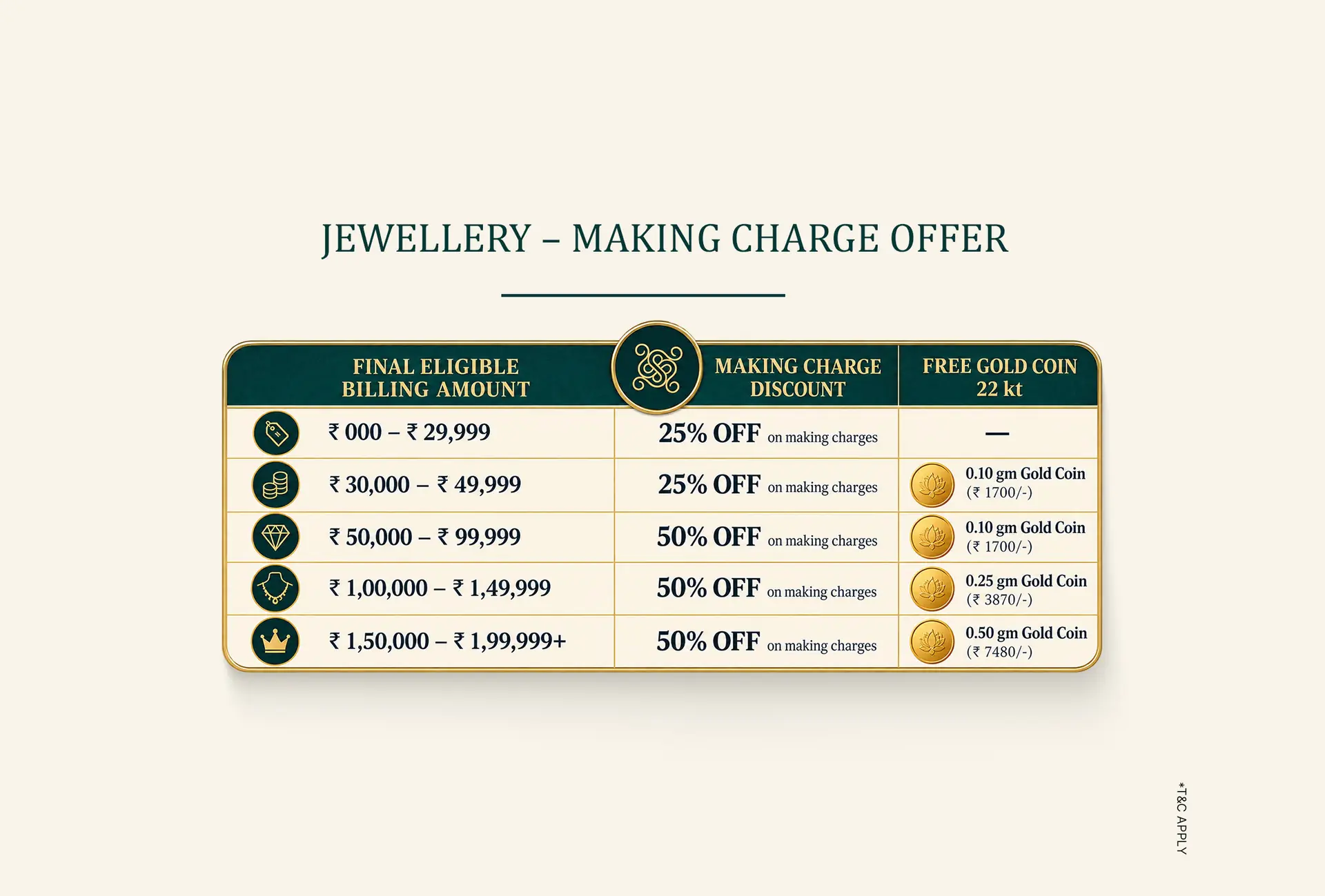
Making charges are the fees for crafting the jewellery. They range from 8% for plain machine-made pieces to 25% or more for handcrafted intricate designs. On Akshaya Tritiya, many jewellers offer reduced or waived making charges as a promotional offer. A 10% making charge reduction on a Rs. 1 lakh purchase saves you Rs. 10,000. Always check for these promotions.
Step 7 — Check the Exchange and Buyback Policy
Before completing any akshaya tritiya jewellery purchase, understand the jeweller's exchange and buyback policy. Ask: Can I exchange this piece for a different design later? How is the exchange value calculated? Is there an exchange fee? Will you buy this back from me in cash? A lifetime exchange programme with full gold value credit is the most buyer-friendly policy available. Svaraa offers this as a standard commitment.
Step 8 — Consider Wearability Over Showroom Appeal
The most common mistake is choosing a piece based on how it looks in the store rather than how it will fit into real life. A heavy temple-design necklace that looks magnificent under store lighting might feel unwearable on an ordinary day. Ask yourself honestly: where will I wear this? How often? Does it work with my regular wardrobe? A piece that answers these questions well will give you far more satisfaction over time.
Akshaya Tritiya Jewellery Gifting Guide — The Perfect Piece for Everyone in Your Life
For Your Mother — Honour Her With Something She Will Cherish
Pay attention to what your mother wears every day — that reveals her true preference. If she wears heavy traditional pieces daily, she would love a new temple-design necklace or a pair of elaborate jhumka earrings. If she prefers understated jewellery, a finely crafted 22K gold bangle with minimal design or a pair of gold studs with a diamond accent would delight her. For mothers who have minimal gold jewellery, consider a complete set — a necklace and earring combination in 22K gold that she can wear on festivals and family occasions.
For Your Wife — Something That Marks This Chapter
If you are a young couple just starting out, a delicate gold chain with a meaningful pendant in 22K gold is a beautiful, personal choice. If you have been together for many years and want to mark the occasion more significantly, a diamond bangle or a diamond pendant in 18K gold speaks of appreciation and depth. Diamond jewellery is among the most popular akshaya tritiya gifts for wives. It carries the significance of gold while offering a contemporary aesthetic that many women prefer for daily wear.
For Your Daughter — An Investment in Her Future
For young daughters, a small gold pendant with a deity motif or a thin gold chain in 22K is an ideal first piece of akshaya tritiya jewellery. For teenage daughters, a more fashion-forward piece — geometric gold earrings, a modern gold ring, or a delicate diamond stud — will align with her actual preferences. For adult daughters, consider something that marks her life stage: a diamond ring if she is beginning her career, a complete jewellery set if she is approaching a wedding.
For Your Sister — A Bond in Gold
On Akshaya Tritiya, gifting your sister a pair or set of 22K gold bangles is both traditional and genuinely meaningful. The bangle is a symbol of the bond between siblings — circular, continuous, unbroken. If your sister already has an extensive bangle collection, consider a contemporary gold cuff, a diamond-accented bangle, or a beautiful pair of earrings in her preferred style.
For Newborns and Young Children — Start Their Gold Journey
A 1-gram or 2-gram BIS hallmarked gold coin is affordable, meaningful, and gives the child a real asset they can carry into adulthood. Many families have a tradition of gifting gold coins to children on every Akshaya Tritiya — a practice that quietly builds a small gold portfolio for the child over the years.
For Employees and Business Associates — Gold Coins as Corporate Gifts
Many business owners gift gold coins to employees, partners, and vendors on Akshaya Tritiya. A 1-gram or 2-gram gold coin in a gift box is an elegant corporate gift that recipients genuinely appreciate and remember. It is more enduring than a cash bonus, more meaningful than a gift voucher, and culturally resonant in a way that few other gifts are.
How Different Regions of India Celebrate Akshaya Tritiya and What They Buy
Rajasthan — Akha Teej and the Wedding Season
In Rajasthan, Akshaya Tritiya is known as Akha Teej and holds extraordinary importance. It is one of the most popular wedding dates in the Rajasthani calendar because it is an Abujh Muhurat — no additional auspicious timing is needed. The purchase of akha teej gold jewellery in Rajasthan is accordingly enormous. Bridal sets, gold jewellery for the entire wedding party, and gifts for every member of the extended family are purchased in the days surrounding Akha Teej. Kundan, Meenakari, and Jadau designs are especially popular in this region.
Gujarat — The Business Community's Sacred Day
In Gujarat, Akshaya Tritiya is deeply intertwined with the business community's cultural calendar. Gujarati traders and entrepreneurs treat this day with the same reverence that they bring to Diwali. Gold coin purchases are particularly common, alongside traditional Gujarati gold jewellery styles — delicate filigree work, pendant sets with coloured stones, and earrings with distinctive stepped and layered designs.
Maharashtra — Family Tradition and Gold
In Maharashtra, Akshaya Tritiya is observed as a family occasion. Women receive new gold jewellery, families visit temples, and acts of charity are performed. The Maharashtrian gold jewellery tradition includes distinctive designs like the nath (nose ring), the thushi (choker necklace), and the kolhapuri saaj — a traditional necklace style specific to the region.
Tamil Nadu and South India — Temple Jewellery Traditions
In Tamil Nadu, Akshaya Tritiya coincides with the sacred month of Vaishakh, which is already considered highly auspicious for religious observances. Temple jewellery — heavy, ornate, and deeply symbolic — is the cultural preference for gold purchases in this region. Necklaces featuring deity motifs, elaborate gold temple earrings, and multi-strand gold chains are particularly popular. Jewellers in Chennai and Coimbatore see substantial queues from the early morning on this day.
West Bengal and Eastern India
In West Bengal, Akshaya Tritiya is observed as an auspicious occasion for gold purchases, with families visiting temples before heading to jewellers. Bengali gold jewellery has its own distinctive style — the shakha (white conch bangle) worn by married women, gold necklaces with fish-shaped pendants (symbolic of auspiciousness in Bengali culture), and elaborate gold hair ornaments. The purchase of akshaya tritiya jewellery in West Bengal is frequently a multi-generational family affair.
Akshaya Tritiya Jewellery Design Styles — A Guide to Every Major Tradition
Temple Jewellery — Sacred Beauty in Gold
Temple jewellery originated centuries ago as adornments for temple deities in South India, particularly in Tamil Nadu and Andhra Pradesh. Over time, this style transitioned from the temple to the wearer. Temple jewellery in 22K gold typically features bold, bas-relief sculptures of deities, peacock and parrot motifs, lotus flowers representing purity, and architectural elements inspired by gopurams. Red and green stones — either rubies and emeralds or glass approximations — are commonly used as accent elements.
For akshaya tritiya jewellery buyers who want their purchase to carry clear spiritual significance, temple jewellery is the most direct expression of devotion in ornament form.
Kundan Jewellery — The Royal Tradition
Kundan jewellery originated in the Mughal era and was perfected in the royal ateliers of Rajasthan. The Kundan technique involves pressing thin strips of pure gold around the base of uncut gemstones, encasing each stone in a pure gold bed without claws or prongs. The result is jewellery with a flat, mosaic-like appearance. Kundan akshaya tritiya jewellery is primarily bridal and ceremonial — a full Kundan set is among the most spectacular forms of Indian bridal jewellery.
Meenakari — The Art of Colour on Gold
Meenakari is the Persian art of enamelling on metal, adapted by Indian craftsmen in Rajasthan. It involves filling the carved surface of a gold piece with vitreous enamel in multiple colours. Red Meenakari in 22K gold is considered particularly auspicious and is a popular choice for akshaya tritiya jewellery among buyers who want colour and craftsmanship in their purchase.
Filigree Work — Delicate and Irreplaceable
Filigree work involves twisting and weaving thin threads of gold wire into intricate lace-like patterns. Odisha's Cuttack district is famous for its silver filigree (Tarakasi), which has a GI (Geographical Indication) tag. Gold filigree work is found in parts of Rajasthan and Andhra Pradesh as well. For buyers who appreciate handcraft, filigree pieces represent some of the finest goldsmithing traditions available in India.
Contemporary and Lightweight Gold Jewellery
The most significant shift in Indian jewellery preferences over the last decade has been toward lightweight, contemporary designs that suit modern, active lifestyles. Contemporary akshaya tritiya jewellery in this category includes geometric gold earrings, thin gold chains for layering, stackable rings in 22K or 18K gold, open-ended gold cuffs, and pendant necklaces with simple nature-inspired motifs. These pieces are typically lighter in weight, more affordable than heavy traditional designs, and genuinely wearable on ordinary days.
Physical Gold Jewellery vs Gold Coins vs Digital Gold vs SGBs — Which is Right for You?
Physical Gold Jewellery — The Traditional Choice
Physical gold jewellery is the traditional akshaya tritiya purchase and remains the most popular choice by a wide margin. The advantages are substantial: you get to wear your gold, it carries deep emotional and cultural significance, and it can be gifted across generations. The financial consideration to understand is making charges — for a 22K gold necklace with 12% making charges, you pay Rs. 1,12,000 for Rs. 1 lakh in gold value. The making charge is a sunk cost from a pure investment standpoint, but acceptable for jewellery you intend to wear and cherish.
BIS Hallmarked 24K Gold Coins — The Investor's First Choice
For those whose primary motivation is financial, 24K gold coins from reputed jewellers are the most efficient way to buy gold on Akshaya Tritiya. Coins carry no making charges — you pay only a small premium over the pure gold market price. When you sell or exchange coins, you receive close to the full market value. A family that systematically buys gold coins on every Akshaya Tritiya builds up a meaningful gold reserve over the years without incurring jewellery making costs.
Digital Gold — Convenient but Intangible
Digital gold platforms allow you to buy fractional amounts of 24K gold stored in a physical vault. You can start from Re. 1, making it extraordinarily accessible. Digital gold is ideal for urban buyers without easy access to a trusted jeweller, NRIs participating in the tradition from abroad, and those who want to accumulate gold gradually. The limitations are equally important: you cannot hold, wear, or gift it in physical form, and it lacks the cultural dimension of physical akshaya tritiya jewellery.
Sovereign Gold Bonds — The Long-Term Investor's Premium Option
Sovereign Gold Bonds issued by the Reserve Bank of India carry a fixed interest rate of 2.5% per annum on gold value and are redeemable after 8 years, with long-term capital gains completely tax-exempt at maturity. From a purely financial standpoint, SGBs are the superior gold investment for long-term holders. However, they carry no cultural or emotional significance for Akshaya Tritiya — they cannot be worn or gifted in a traditional sense.
The Balanced Approach Most Families Follow
In practice, most Indian families take a balanced approach: they buy a piece of akshaya tritiya jewellery for cultural and emotional value, and they may additionally buy a small gold coin for investment purposes. This approach satisfies both the spiritual tradition and the practical goal of building a gold portfolio. Given elevated gold prices in 2026, directing additional gold investment into SGBs or digital gold on a systematic monthly basis throughout the year is a prudent complement to the Akshaya Tritiya purchase.
How to Care for Your Akshaya Tritiya Jewellery — Keep It Beautiful for Decades
Daily Care Habits
Remove your gold jewellery before sleeping, bathing, swimming, or exercising. Chlorine in pool water and salt in seawater can damage certain alloys and gemstone settings over time. Apply perfume, hairspray, and skincare products before putting on your akshaya tritiya jewellery — many cosmetic chemicals can dull gold finishes and damage softer gemstones like pearls and coral. Wipe each piece gently with a clean soft cloth before storing it for the night.
Proper Storage
Store each piece of akshaya tritiya jewellery separately to prevent scratching. Gold can scratch gold — so bangles thrown together in a drawer will inevitably mark each other over time. Use individual soft fabric pouches or a jewellery box with separate lined compartments. Anti-tarnish strips placed inside your jewellery storage area help prevent chemical reactions with the air. High-value pieces — diamond sets, heavy gold necklaces, heirloom bridal jewellery — should ideally be stored in a bank locker when not in use.
Cleaning Gold Jewellery at Home
For plain 22K gold jewellery without gemstone settings, a simple cleaning solution of warm water and a few drops of mild dish soap is effective. Soak the piece for 15 minutes, gently scrub with a very soft toothbrush, rinse thoroughly under clean running water, and pat dry with a lint-free cloth. For antique-finish or matte-finish gold jewellery, avoid using polishing cloths — a gentle wipe with a soft damp cloth is sufficient to preserve the deliberate surface texture.
Cleaning Diamond and Gemstone Jewellery
Diamond-set jewellery can be cleaned similarly to plain gold. After cleaning, use a dry toothpick to gently clear any residue from beneath each stone. Softer or more delicate gemstones require specific care. Emeralds are often treated with oil and should not be soaked in water. Pearls are porous and should be wiped only with a damp cloth. When in doubt, ask your jeweller for specific cleaning guidance for each piece of aksha teej gold jewellery.
Professional Cleaning and Insurance
Even with excellent at-home care, professional cleaning every one to two years is recommended for all gold jewellery. More importantly, professional inspection checks for structural issues: worn prongs, worn clasps, hairline cracks in bangles, and loose settings in rings. Catching these issues early prevents more expensive damage later. For high-value akshaya tritiya jewellery purchases, jewellery insurance covering theft, accidental damage, and loss is worth considering — premiums are typically 0.5% to 1% of the jewellery's insured value per annum.
Akshaya Tritiya Jewellery Trends in 2026 — What Indian Buyers Are Choosing This Year
The Shift Toward Lightweight Jewellery
The Indian jewellery market has changed considerably in the last few years, and the akshaya tritiya jewellery trends of 2026 reflect a buyer that is more informed, more diverse in preference, and more open to new forms of gold than ever before. The biggest shift is toward lightweight jewellery. As more Indian women enter professional and corporate environments where heavy traditional ornaments are impractical, the demand for lightweight daily-wear gold jewellery has grown sharply. Pieces between 2 and 8 grams that can be worn to the office, to a restaurant dinner, and to a family gathering without any change — that is the design brief driving much of the contemporary akshaya tritiya collection at forward-thinking jewellers.
Lab-Grown Diamonds Enter the Akshaya Tritiya Market
The second major trend is the normalisation of lab-grown diamonds in jewellery purchased on auspicious occasions. Lab-grown diamonds are chemically, optically, and physically identical to natural diamonds, but are produced in controlled environments rather than mined. They are significantly more affordable — typically 60 to 80 percent cheaper than comparable natural diamonds. This price differential has made diamond jewellery accessible to a much wider segment of buyers for akshaya tritiya gifting, and acceptance of lab-grown diamonds as appropriate festival jewellery has grown quickly among urban buyers.
Personalisation — Jewellery That Tells Your Story
Custom-engraved gold jewellery — a bangle with the buyer's name in Devanagari script on the inside, a pendant with coordinates of a meaningful place, a ring with a significant date — has moved from a niche offering to a mainstream expectation. Buyers increasingly want their akshaya tritiya jewellery to tell their specific story, not just represent a generic tradition. This trend has been accelerated by social media, where personalised jewellery photographs extremely well and drives strong purchase intent.
Men's Jewellery Growing Steadily
Gold karas (heavy bracelets), chains, and rings for men are seeing increased demand as younger men embrace gold jewellery as a style statement with cultural roots. A 22K gold kara gifted to a son or husband on Akshaya Tritiya is no longer unusual. Jewellers are responding by expanding men's collections beyond the traditional items to include more contemporary chain designs, ring styles, and bracelet options.
Online Shopping Continues to Grow
The share of aksha teej gold jewellery purchased online on Akshaya Tritiya has grown substantially year on year, driven by the convenience of browsing at home, the ability to compare prices transparently, and the increasing trust in reputed online jewellers. Buyers from tier 2 and tier 3 cities who do not have access to the design variety available in metropolitan areas are particularly driving online growth. At Svaraa, our online orders consistently spike in the week leading up to Akshaya Tritiya.
Akshaya Tritiya Jewellery for Different Life Stages — A Practical Guide
For Women in Their Twenties — Building the Foundation
Women in their twenties are typically at the beginning of their jewellery journey. The best akshaya tritiya jewellery for this life stage is versatile, contemporary, and genuinely wearable every day. A thin 22K gold chain, a pair of small gold stud earrings with a diamond accent, or a slender gold ring in a modern geometric design — these are pieces that will be worn daily for years and provide a solid foundation for a growing collection. A 1 or 2 gram gold coin is also an excellent addition for the investment-minded buyer in this age group, creating the start of a systematic gold savings habit.
For Women in Their Thirties — Expanding and Upgrading
The thirties are often when women begin to upgrade their jewellery collection more seriously. Incomes are typically higher, life is more settled, and there is a clearer sense of personal aesthetic. A 22K gold bangle is a natural akshaya tritiya purchase for this decade — it is heavier, more significant in gold value, and marks a progression from the lighter pieces of the twenties. Diamond jewellery also enters the picture more prominently here — a diamond pendant, a diamond bangle, or a diamond ring becomes an appropriate and aspirational purchase.
For Women in Their Forties and Fifties — Heirloom Thinking
By the forties, many women have accumulated a reasonable jewellery collection and are beginning to think generationally. What will be passed to their children? What does their collection need that it currently lacks? Akshaya tritiya jewellery purchases at this life stage often tend toward pieces with heirloom potential: heavier bangles, temple jewellery sets, complete necklace and earring combinations that can be worn at family weddings for decades. This is also the life stage where investment gold — coins, bars — becomes more prominent, as savings goals become clearer.
For Senior Women — Completing the Legacy
For senior women, the most meaningful akshaya tritiya jewellery purchase is often not for themselves but for the next generation. A set of gold bangles bought for a granddaughter, or a traditional necklace set that will serve as a wedding gift years from now, is the kind of purchase that senior buyers make with pride and foresight. If buying for themselves, simple and wearable pieces are preferred — a comfortable gold bangle, a familiar style of earrings, or a mangalsutra update. At this life stage, the weight of the jewellery and the ease of wearing it matter as much as the design.
Common Mistakes to Avoid When Buying Akshaya Tritiya Jewellery
Buying Without Knowing the Current Gold Rate
The most straightforward mistake is not checking the independent gold rate before making a purchase. The IBJA (India Bullion and Jewellers Association) publishes daily gold rates that serve as the market benchmark. Check the IBJA website or the MCX gold rate on the morning of your purchase to verify that the gold rate you are being charged is accurate and fair. A difference of even Rs. 500 per gram — on a 10-gram purchase — means Rs. 5,000 out of your pocket unnecessarily.
Paying Excessive Making Charges Without Comparing
Making charges vary enormously between jewellers and between designs. Paying 20% making charges for a plain machine-made bangle — when equivalent pieces are available at 8 to 10% — is unnecessary. Compare making charges across at least two or three sources before finalising any significant akshaya tritiya jewellery purchase. On Akshaya Tritiya specifically, the promotional environment means making charge differences between jewellers can be substantial.
Choosing Design Over Wearability
A piece that looks spectacular in the store may not be one that gets worn in real life. Many buyers purchase heavy or elaborate akshaya tritiya jewellery that ends up sitting in a locker indefinitely. Ask yourself honestly and specifically how often you will actually wear this piece before committing to it. A piece worn 300 days a year gives you far more value than a piece worn three days a year, regardless of their relative price points.
Not Asking for the Return Policy Upfront
Some buyers discover only after purchase that their jeweller's exchange policy is far less favourable than expected — an exchange only within 30 days, or a significant deduction on the gold value at time of exchange. Always ask explicitly about the exchange and buyback policy before completing any akshaya tritiya jewellery purchase. A lifetime exchange programme with full gold value credit is the gold standard to look for.
Buying Based on Advertising Rather Than Quality Verification
Heavy Akshaya Tritiya advertising from large jewellery brands can create a misleading sense that their products are automatically superior. Always verify purity independently through BIS hallmarking regardless of the jeweller's brand or reputation. Hallmarking is your protection, not the brand name. The HUID verification system on the BIS Care app takes under a minute and gives you definitive proof of purity — always use it.
Gold Price Outlook for Akshaya Tritiya 2026 — What Buyers Need to Know
Where Gold Stands in April 2026
As of early April 2026, 24-carat gold in India is trading at approximately Rs. 1,48,000 to Rs. 1,50,000 per 10 grams. This represents a significant appreciation — gold prices have risen more than 30% over the past twelve months. Globally, gold is trading at over USD 4,600 per troy ounce. The drivers of this rally include continued geopolitical uncertainty, aggressive gold buying by central banks especially in China and India, a weakening US dollar, and rising inflation concerns across major economies.
Should You Buy at These Prices?
If you are buying akshaya tritiya jewellery for cultural and emotional reasons, do not let the current gold price deter you. The amount you spend will be proportionally adjusted to the market, and the value of the gold will appreciate with the market over time. If you are buying purely for investment and are concerned about timing, consider spreading your purchase across multiple dates using a systematic approach. Technical analysts forecast MCX gold trading in the Rs. 1,55,000 to Rs. 1,65,000 per 10 gram range through April 2026, with support around Rs. 1,52,000.
Practical Guidance for 2026 Buyers
Focus on minimising making charges — look for jewellers offering Akshaya Tritiya special pricing with zero or reduced making charge promotions. Buy BIS hallmarked 22K or 24K gold only. Check the IBJA gold rate independently before visiting any jeweller. If buying online, compare prices across platforms and check for offer codes. Consider buying lighter-weight pieces with minimal making charges if budget is a concern. And remember: even a modest purchase of aksha teej gold jewellery honours the tradition completely — the tradition is about intention, not the size of the purchase.
Why Thousands of Customers Choose Svaraa for Their Akshaya Tritiya Jewellery
Certified Purity — Our Non-Negotiable Standard
At Svaraa, purity is not an optional add-on. Every single piece of akshaya tritiya jewellery in our collection — without exception — is BIS hallmarked with a HUID number. We do not sell unhallmarked gold under any circumstances. You can verify the authenticity of any piece you purchase from us independently through the BIS Care app. For diamond-set pieces, we provide certification from recognised gemological laboratories. For gemstone-set pieces, we provide documentation of each stone's nature and any treatments applied.
Transparent Pricing — Know Exactly What You Pay For
Every Svaraa invoice is fully itemised: gold weight, gold rate, making charges, stone value, and GST — each component shown separately and clearly. We also publish our daily gold rate transparently on our website, aligned with the IBJA benchmark. When you shop for aksha teej gold jewellery at Svaraa, you know the gold rate is fair before you make any selection.
Lifetime Exchange — Your Purchase is an Enduring Relationship
We view every akshaya tritiya jewellery purchase as the beginning of a long-term relationship. Our lifetime exchange programme means that any piece purchased from Svaraa can be exchanged at any point in the future for a new design, with the full current gold value credited towards your new purchase. This policy protects your investment over time. As your taste evolves or as life circumstances shift, you can refresh your jewellery collection without losing the gold value you originally invested.
Curated Collection and Secure Shopping
Our design team curates the Svaraa akshaya tritiya jewellery collection with a conscious philosophy: jewellery should be worn, not just owned. We balance traditional designs that honour cultural heritage with contemporary pieces that suit modern lifestyles. Our website uses SSL encryption and industry-standard payment security. All orders are packaged in tamper-evident boxes and shipped with full insurance coverage. Our customer service team is available via phone, email, and chat to answer any questions and help you choose the right piece for your needs and budget.
Complete Akshaya Tritiya Puja and Ritual Guide — Observe the Day the Right Way
Why Ritual Matters on Akshaya Tritiya
Akshaya Tritiya is not merely a shopping occasion. For millions of Indian families, it is first and foremost a day of devotion, gratitude, and spiritual intention. The purchase of akshaya tritiya jewellery is ideally preceded or accompanied by ritual — a puja that sets the right intention and connects the material act of buying gold to the deeper spiritual significance of the day. Even for families who are not deeply religious, taking a few moments on this day to acknowledge the source of abundance elevates the experience from a transaction to a meaningful act.
Morning Preparations — Setting the Tone
The traditional Akshaya Tritiya day begins early. Many devotees wake before sunrise, take a ritual bath (abhishek snan), and dress in fresh, clean clothes — preferably in yellow or white, colours associated with Goddess Lakshmi and purity respectively. Some families visit the Ganga or another sacred river for the morning bath, particularly if there is one nearby. After the bath, the first activity is prayer. Families visit temples — particularly temples dedicated to Lord Vishnu and Goddess Lakshmi. In South India, Vishnu temples conduct special abhishekam and archana on Akshaya Tritiya morning, and queues at major temples can stretch for hours. Many devotees choose to perform puja at home instead, which is equally valid and equally powerful.
Step-by-Step Home Puja for Akshaya Tritiya
Here is a simple, complete puja that any family can perform at home on Akshaya Tritiya, regardless of their level of religious practice. First, clean the puja space thoroughly and set up a fresh altar. Place images or idols of Lord Vishnu and Goddess Lakshmi at the centre. If you have a Lakshmi-Narayana image that combines both deities, that is ideal for this occasion. Second, place fresh flowers on the altar — marigolds (yellow), lotus (white or pink), and jasmine are all appropriate. Fill a small copper or silver pot with water and place it with a coconut and mango leaves as an auspicious kalash. Third, light a ghee lamp (diya) and incense sticks. The lighting of the lamp represents the illumination of consciousness and the invitation to divine energy into your home and your intentions. Fourth, offer naivedyam — food offerings to the deities. Traditionally, this includes sweet rice (kheer or pongal), fruits, coconut, and sweets. Fifth, recite the Vishnu Sahasranama or the Lakshmi Ashtottara. If you are not familiar with these, a simple, sincere prayer expressing gratitude and intention is equally acceptable and heartfelt. Sixth, if you have purchased akshaya tritiya jewellery, place it before the altar during the puja. Offer it to the deities before wearing or gifting it — this act connects the material purchase to the divine energy of the day. Seventh, perform aarti — wave the ghee lamp in circular motions before the deities. Eighth, distribute prasad among family members, completing the sacred cycle of offering and receiving.
The Role of Daan (Charitable Giving) on Akshaya Tritiya
Daan — charitable giving — is considered the most karmically powerful activity on Akshaya Tritiya. The scriptures are unambiguous on this point: the merit earned from charity on this day is multiplied infinitely. The most traditional form of daan on Akshaya Tritiya is Anna Daan — feeding the hungry. Many temples organise community meals on this day, and families can contribute to or volunteer at these. Jal Daan — donating water or cool beverages like sugarcane juice or buttermilk — is specifically appropriate because Akshaya Tritiya falls during peak summer. In modern contexts, donating to a food bank, a children's education charity, or a shelter for the homeless are entirely appropriate expressions of the same spirit. A deeply meaningful practice for those purchasing akshaya tritiya jewellery is to pair the purchase with a donation — if you spend Rs. 50,000 on gold, setting aside Rs. 2,500 to Rs. 5,000 for charity on the same day creates a balance of acquiring and giving that honours the full spirit of the day.
Pitru Tarpan — Honouring Your Ancestors
Akshaya Tritiya is one of the significant days in the Hindu calendar for Pitru Tarpan — the ritual of offering water and sesame seeds to one's departed ancestors. The belief is that tarpan performed on this day reaches the souls of the departed with special efficacy and earns their blessings for the living family members. The ritual is typically performed in the morning, ideally at a sacred river or water body. In the absence of a river, it can be performed at home with a copper vessel filled with water, sesame seeds, and barley. The names of the departed family members are recited and water is offered to each one. Many families combine the Pitru Tarpan with the purchase of aksha teej gold jewellery — completing the tarpan first as an act of gratitude to ancestors, and then proceeding to the jewellery purchase as an act of investment in the family's future.
The History of Gold in India — Why Gold and Akshaya Tritiya Are Inseparable
Gold in Ancient India — More Than a Metal
Gold has been central to Indian civilisation for at least 5,000 years. Archaeological excavations at Indus Valley Civilisation sites — Mohenjo-daro, Harappa, Dholavira — have yielded gold ornaments, beads, and jewellery dating to 2,500 BCE. In the Vedic period, gold appears extensively in religious texts as a symbol of the divine. The Sanskrit word for gold — Suvarna or Hiranya — appears in the Rigveda, one of the oldest religious texts in the world. The Hiranya Garbha (the Golden Womb) is a Vedic concept of the universe's origin — the idea that all creation emerged from a cosmic golden egg. Gold was not just valuable in ancient India; it was fundamentally sacred and inseparable from conceptions of the divine.
Gold as Streedhan — A Woman's Fundamental Right
One of the most important concepts in Indian legal and cultural history is Streedhan — a woman's personal wealth, which traditionally consisted primarily of gold jewellery. Unlike other forms of family wealth which belonged to the household, Streedhan was exclusively and inalienably the woman's own. The practice of gifting gold jewellery to daughters as Streedhan was encoded in ancient legal texts including Manu Smriti and Arthashastra. The gold that a woman received as Streedhan at her wedding, from her parents, and on auspicious occasions was her personal financial safety net — hers to keep, hers to use, and hers to pass to her daughters. This deep historical connection between women, gold, and financial security is precisely why the purchase of akshaya tritiya jewellery for daughters, wives, and mothers carries such enduring emotional weight in Indian families.
Gold in Medieval and Mughal India
The medieval period saw gold jewellery in India become progressively more elaborate and regionally distinct. The courts of the Vijayanagara Empire in South India were famous for their extraordinary temple jewellery — heavy gold necklaces, elaborate ceremonial pieces, and gemstone-set ornaments. The Mughal period brought Persian and Central Asian influences into Indian jewellery design, resulting in the development of Kundan and Meenakari techniques that remain popular in akshaya tritiya jewellery collections to this day. The Mughals were also among the largest purchasers of gold in the world during their period of dominance, and gold flowed into India from trade with Europe, Central Asia, and Southeast Asia throughout this period.
Colonial Period and Gold as Security
The British colonial period had a complex relationship with Indian gold. While the colonial administration periodically tried to control gold imports, Indian families continued to accumulate gold as a fundamental form of savings and security. The Bengal Famine of 1943 and other economic catastrophes during the colonial period demonstrated the practical wisdom of gold savings: families with gold reserves were able to sell them to buy food during the famine, while families without them were often destitute. This experience deepened the cultural conviction that physical gold in the household was the only truly reliable form of savings — a conviction that has only strengthened over the decades since independence.
Gold in Independent India — The Continuing Story
Since independence in 1947, India's relationship with gold has only deepened. The country is consistently one of the world's top two consumers of gold — alongside China — with annual demand typically running at 700 to 900 tonnes. Indian households collectively hold an estimated 25,000 tonnes of gold, representing the largest private gold holding of any country in the world. This extraordinary accumulation represents centuries of Akshaya Tritiya purchases, wedding jewellery, and systematic family savings in gold. It is both a cultural phenomenon and a financial one — and it is why the purchase of akshaya tritiya jewellery remains one of the most significant retail events in the Indian economy every year.
A Complete Safety Guide for Buying Akshaya Tritiya Jewellery — Protect Yourself at Every Step
How to Avoid Counterfeit Gold
Counterfeit gold — jewellery sold as one purity level but actually containing less pure gold — is a genuine risk in the Indian market, particularly from unorganised sellers who proliferate around major festivals. Rule one: never buy gold jewellery without BIS hallmarking. This single rule eliminates the vast majority of counterfeit risk. Rule two: always verify the HUID number before completing your purchase using the BIS Care app. The verification takes less than one minute. If the HUID comes up as invalid or does not match the purity stated by the seller, do not complete the purchase and report the seller to the BIS. Rule three: if buying from an unfamiliar seller online, check for reviews, ratings, and BIS registration. At Svaraa, every piece of akshaya tritiya jewellery in our collection is BIS hallmarked, and we welcome independent verification of every HUID before purchase.
How to Avoid Over-Paying — A Price Verification Process
Here is a step-by-step process for verifying fair pricing on any akshaya tritiya jewellery purchase. Step one: check the IBJA website or MCX for the current gold rate per 10 grams. For 22K gold, the applicable rate is approximately 91.6% of the 24K rate. Step two: ask the jeweller to weigh the piece on a certified scale in front of you. Step three: calculate the gold value yourself — weight in grams multiplied by the 22K rate per gram. Add making charges as a percentage of this value. Add GST at 3%. Step four: compare your calculation to the jeweller's quote. Any significant unexplained discrepancy is a red flag. This process takes five minutes but protects you from paying unnecessarily more for your aksha teej gold jewellery.
Understanding Gold Purity Marks — A Quick Reference
When you examine a piece of gold jewellery, the purity mark tells you everything about its gold content. The marks you will encounter are:
• 999 or 24K — 99.9% pure gold. Used for coins and investment bars. Not suitable for wearable jewellery.
• 916 or 22K — 91.6% pure gold. The standard for Indian fine jewellery. Best for bangles, necklaces, and earrings.
• 750 or 18K — 75% pure gold. Used for diamond-set jewellery and contemporary designs requiring harder alloys.
• 585 or 14K — 58.5% pure gold. Growing in popularity in India for lightweight everyday jewellery.
For akshaya tritiya jewellery purchases, the two most relevant purity marks are 999 (for investment coins) and 916 (for wearable jewellery). All Svaraa pieces clearly display their purity mark and come with complete BIS documentation.
Insurance and Documentation — Protecting Your Purchase Long-Term
For valuable akshaya tritiya jewellery purchases, proper documentation and insurance are important components of responsible ownership. Keep all invoices, hallmarking certificates, and gemstone certifications in a safe location — ideally scanned and stored digitally as well as in physical form. These documents are essential for insurance claims, exchange calculations, and proof of ownership. Jewellery insurance in India covers theft, accidental damage, and loss both inside and outside the home. Annual premiums are generally 0.5% to 1% of the jewellery's insured value — an affordable cost for significant peace of mind.
Akshaya Tritiya Jewellery in the Context of Life's Major Occasions
Jewellery for Weddings — The Most Gold-Intensive Occasion in India
Indian weddings are, by global standards, extraordinarily jewellery-intensive occasions. The bride's jewellery — necklaces, bangles, earrings, maangtikka, nath, haar, payals, and rings — represents one of the most significant investments a family makes. When Akshaya Tritiya falls close to a wedding, families often use it strategically to purchase significant pieces of bridal jewellery at an auspicious time. The average Indian wedding jewellery budget varies enormously by region and family means, but survey data consistently shows that jewellery represents the single largest category of wedding expenditure for many families — reflecting the dual purpose of wedding jewellery as both aesthetic adornment and Streedhan asset transfer. At Svaraa, we offer complete bridal sets in 22K gold — necklace, earrings, bangles, and maangtikka — that are both beautiful and practical choices for Akshaya Tritiya bridal purchases.
Jewellery for Naming Ceremonies and Children's Milestones
The first major occasion in a child's life — the naming ceremony (Namkaran) — is often accompanied by gifting of gold jewellery for the baby. Similarly, the first birthday is a celebrated milestone where gold is commonly given. Akshaya Tritiya, which falls in late April or early May, frequently coincides with the first year of many children's lives and is used to purchase the first gold jewellery for a new baby. Traditional choices include small gold chains with an amulet, tiny gold bangles (kangan), and gold studs. These pieces are typically in 22K gold and are sized to fit a newborn or very young child. A gold coin as an Akshaya Tritiya gift for a newborn is also deeply meaningful — the start of a gold savings tradition for the child that can continue on every subsequent Akshaya Tritiya.
Jewellery for Anniversaries and Personal Milestones
In modern India, the tradition of buying gold only at weddings and festivals has expanded to include personal milestones — work promotions, business successes, completing a degree, achieving a long-term financial goal. Akshaya Tritiya has become the natural home for these kinds of milestone purchases. A day when personal achievement can be marked with gold and blessed with the day's auspiciousness feels exactly right for these celebrations. Many couples now use Akshaya Tritiya as their annual occasion for renewing their commitment to shared prosperity — a joint gold purchase that marks each year of their partnership.
Comparing Akshaya Tritiya to Dhanteras — India's Two Great Gold-Buying Days
While Akshaya Tritiya is the most spiritually auspicious single day for gold purchases in the Hindu calendar, it exists alongside Dhanteras (the day before Diwali) as India's other major gold-buying occasion. Both days see enormous surges in jewellery purchases. The key difference is that Akshaya Tritiya is an Abujh Muhurat — the entire day is auspicious without requiring any specific timing calculation — while Dhanteras has a more specific auspicious window. For families who want maximum flexibility in their gold purchase timing, Akshaya Tritiya is the more accommodating occasion. Additionally, Akshaya Tritiya falls in spring rather than autumn, making it the first major gold-buying occasion of the year and often the one where families begin their annual gold accumulation plan. At Svaraa, our akshaya tritiya jewellery collection is renewed and specially curated each year for this occasion, with designs and promotions not available at other times.
How to Think About Akshaya Tritiya Jewellery as a Long-Term Investment — A Detailed Framework
Gold as an Asset Class — Historical Performance in India
To understand why buying akshaya tritiya jewellery makes long-term financial sense, it helps to examine gold's historical performance as an asset class in India with some specificity. In 2001, 24K gold in India was priced at approximately Rs. 4,300 per 10 grams. By 2011, it had risen to approximately Rs. 26,000 per 10 grams — a gain of over 500% in a decade. By 2021, gold reached Rs. 48,000 per 10 grams. By early 2026, it trades at Rs. 1,48,000 per 10 grams. Over a 25-year period, gold has delivered a compounded annual growth rate (CAGR) of approximately 13 to 14% in rupee terms — comfortably outpacing both inflation and fixed deposit returns over the same period.
This performance is not accidental. It reflects gold's dual role as both an international commodity (priced in US dollars and responsive to global macro factors) and a domestic currency hedge (as the rupee has depreciated steadily against the dollar over time, the rupee price of gold rises even when the dollar price is flat). For Indian savers, gold denominated in rupees has been one of the most reliable long-term stores of value available.
This historical context gives the purchase of akshaya tritiya jewellery a clear investment rationale. A family that has been buying gold jewellery and coins on every Akshaya Tritiya for the past 20 years has accumulated a portfolio that has appreciated dramatically in rupee terms — serving as both cultural heritage and genuine financial asset.
The Making Charge Math — How to Maximise Your Gold Investment
Understanding the making charge impact on the total return of your akshaya tritiya jewellery purchase helps you make smarter decisions. Consider two scenarios. In the first, you buy a plain 22K gold bangle weighing 15 grams with 8% making charges. You pay 15 grams at the 22K gold rate (approximately Rs. 1,36,000 per 10 grams in April 2026, so Rs. 20,400 per gram) = Rs. 3,06,000 for the gold, plus 8% making charges = Rs. 24,480, plus GST 3% on the total = approximately Rs. 9,921. Total outlay: approximately Rs. 3,40,401. When you exchange this piece at a future date, you receive the gold value at the prevailing rate — approximately Rs. 3,06,000 today, growing as gold prices rise.
In the second scenario, you buy an elaborate handcrafted necklace with 25% making charges on the same gold weight. The making charges alone come to Rs. 76,500 — a figure that is entirely a sunk cost from an investment standpoint. The gold value recoverable at exchange remains Rs. 3,06,000 regardless of how intricate the design. The extra Rs. 52,020 in making charges you paid (compared to the bangle) represents the cost of the design and craftsmanship, which you are essentially paying for the aesthetic experience rather than the investment.
Neither choice is wrong — but understanding this math helps you make a conscious decision. If the intricate necklace brings you joy and you will wear it regularly, the higher making charge is worth it. If your primary goal is gold investment, the simpler bangle with lower making charges serves your purpose better. Many savvy buyers combine both: they buy a moderate-making-charge piece for wearing, and add a 24K gold coin with zero making charges for pure investment.
How to Build a Family Gold Portfolio Over Time
Akshaya Tritiya provides a natural annual moment to review and add to your family's gold holdings. Here is a framework for thinking about this systematically over the years. In the first year: begin with a small but meaningful piece — a gold coin or a pair of earrings. Establish the habit and the intention. In years two through five: add one meaningful piece per year. Focus on everyday wearable pieces that fill real gaps in your collection — a chain, a bangle, a ring. In years five through ten: begin thinking about higher-value pieces — complete necklace sets, diamond jewellery, heavier bangles. By this stage, your gold portfolio has meaningful value and you are building toward heirloom-grade pieces. In years ten and beyond: focus on completing the collection with pieces that will serve future generations — bridal sets for daughters, heavy traditional jewellery that can be passed down, and pure investment coins that provide liquid gold reserves for the family.
This systematic approach transforms Akshaya Tritiya from a single emotional purchase into a long-term wealth-building discipline. The family that follows it consistently will find that after 20 or 25 years, their gold portfolio — accumulated one Akshaya Tritiya at a time — represents a significant and genuinely valuable asset that has served simultaneously as cultural heritage, personal adornment, and financial investment.
Gold Jewellery Manufacturing Techniques — Understanding What You Are Buying
Handcrafted vs Machine-Made Gold Jewellery
One of the most important distinctions in akshaya tritiya jewellery is between handcrafted and machine-made pieces. Handcrafted jewellery is made by skilled goldsmiths (called Sonars or Swarnakaras) using traditional tools — hammers, chisels, drills, and blowpipes. Each piece is unique, made to exacting specifications by a craftsperson who may have spent decades mastering the art. Machine-made jewellery is produced using automated casting, stamping, and finishing processes. It is highly consistent, often lighter in weight, and typically less expensive due to reduced labour costs.
From an investment standpoint, machine-made jewellery often has lower making charges and therefore a higher proportion of gold value relative to total cost. From an aesthetic standpoint, handcrafted pieces have a depth of detail, subtle variations, and a quality of presence that machine-made pieces rarely match. For akshaya tritiya jewellery intended as heirlooms or for significant occasions, handcrafted pieces are typically the more meaningful choice. For investment-oriented purchases where wearability and gold value are the primary considerations, machine-made pieces often offer better value.
Lost Wax Casting — The Ancient Technique Behind Modern Designs
Lost wax casting (called cire-perdue in French, or Madhu-wax casting in Indian traditional metalworking) is one of the oldest and most versatile gold jewellery manufacturing techniques. In this process, a model of the desired jewellery is first made in wax. The wax model is then encased in a plaster or clay mould. The mould is heated, which melts and 'loses' the wax (hence the name). Molten gold is then poured into the cavity left by the melted wax. When the gold solidifies and the mould is broken away, you have a perfect gold replica of the original wax model.
Lost wax casting allows for complex three-dimensional designs that would be impossible to achieve by hand-hammering or stamping. Most contemporary akshaya tritiya jewellery with intricate decorative elements — floral designs, deity figures, detailed patterns — is made using variations of the lost wax technique. Modern jewellers use computer-aided design (CAD) to create the initial wax models, allowing for precise repeatability while still using this ancient casting method.
Electroforming — How Lightweight Gold Jewellery is Made
Electroforming is a technique used to create lightweight gold jewellery shells that appear much more substantial than their actual gold content. In electroforming, a thin layer of gold is deposited onto a mould using an electrolytic process. The resulting shell is gold on the outside but hollow inside, giving the piece the visual presence of heavy jewellery at a fraction of the gold weight.
Electroformed akshaya tritiya jewellery is popular because it allows buyers to get the look of elaborate, heavy designs at much lower price points. The trade-off is that these pieces are more fragile (the thin gold shell can dent or crack under impact) and carry less gold value for their apparent size. If you are buying gold jewellery primarily as an investment, ask the jeweller whether the piece is solid or electroformed — the answer significantly affects the value proposition.
Stone Setting Techniques in Gold Jewellery
For diamond and gemstone-set akshaya tritiya jewellery, the quality of the stone setting is as important as the quality of the stone itself. The major setting techniques used in Indian gold jewellery are:
• Prong setting: small metal claws hold the stone securely while allowing maximum light to enter from above and below. The standard setting for diamond solitaires. Best for diamonds that you want to show off to maximum brilliance.
• Bezel setting: a continuous ring of gold surrounds the entire circumference of the stone, holding it completely. Very secure — the stone is extremely unlikely to fall out — but allows less light entry than prong setting. Good for everyday jewellery.
• Channel setting: stones are set in a row between two parallel strips of gold, with no metal between adjacent stones. Gives a continuous line of stones. Common in diamond bangles and rings.
• Pavé setting: dozens of tiny stones are set very close together, covering the gold surface with a continuous layer of sparkling stones. Creates a dramatic, light-reflecting surface. Common in contemporary diamond jewellery.
• Kundan setting: pure gold foil is used to encase uncut or semi-precious stones without any metal claws. The traditional Indian setting technique, giving jewellery its characteristic flat, mosaic appearance.
Understanding which setting technique is used in a piece of akshaya tritiya jewellery helps you assess both its aesthetic character and its practical durability for the way you intend to wear it.
How to Choose Akshaya Tritiya Jewellery That You Will Love for Decades — A Personal Guide
The Most Important Question to Ask Yourself
Before you begin browsing any akshaya tritiya jewellery collection — whether at a physical store or online — there is one question worth sitting with for a few minutes: what story do I want this piece to tell? Not the story of the brand. Not the story of the occasion. Your story.
Gold jewellery that becomes truly beloved — the pieces that are worn every day, pointed to with pride in family photographs, passed to the next generation with a story attached — are almost always pieces that were chosen with that question in mind. A woman who bought a particular bangle when she got her first promotion remembers that piece differently from one she bought simply because it was on sale. A man who chose a gold ring as a personal symbol of a commitment he made to himself wears it with a meaning that no external validation can replicate.
Akshaya Tritiya is a particularly good day to make this kind of purchase because the day itself provides the story's setting. Jewellery bought on Akshaya Tritiya carries the weight of the occasion — an Abujh Muhurat, the eternal day, the day of the Akshaya Patra. It is ready-made with meaning. Your job is simply to choose a piece that fits that meaning for your specific life.
How to Navigate a Jeweller's Collection Without Being Overwhelmed
Walking into a well-stocked jewellery store or opening a comprehensive online collection of akshaya tritiya jewellery can be genuinely overwhelming. There are hundreds of designs across multiple categories, price points, and styles. Here is a practical approach to navigating this without decision fatigue.
Start by narrowing to one category. If you know you want bangles, look only at bangles. If you know you want a necklace, look only at necklaces. Resisting the temptation to browse everything simultaneously prevents overwhelm and allows you to make more nuanced comparisons within a category.
Next, apply your budget filter immediately. Rather than falling in love with pieces outside your price range and then feeling disappointed, set a budget and look only within it from the start. This constraint is liberating rather than limiting — it focuses your attention on choices that are actually available to you.
Then apply your lifestyle filter. Ask which pieces you will actually wear. Be honest about this. If you work in a corporate office, a piece that works with professional attire is more valuable than an elaborate festival piece. If you are primarily a homemaker who attends religious and family occasions, a more traditional design might suit you better. Lifestyle determines wearability, and wearability determines how much joy the piece actually brings you over time.
Finally, choose based on craft. Among the pieces that have passed your category, budget, and lifestyle filters, choose the one with the best craftsmanship. Look at the finish of the gold — is it consistent and smooth? Check the clasp or closure — does it feel secure? Examine any stone settings — are the stones firmly held with no visible wobble? Quality of execution lasts decades. A well-crafted simple piece will look beautiful for thirty years. A poorly crafted elaborate piece will look worn in three.
The Difference Between Jewellery You Buy and Jewellery You Own
There is a distinction worth making between jewellery you buy and jewellery you own. Buying is the transaction — it ends at the point of sale. Ownership is the long relationship that follows — wearing, caring for, sharing, and eventually passing on.
The best akshaya tritiya jewellery purchases are made with ownership in mind rather than just the transaction. This means choosing pieces that you can imagine wearing in five years, in ten years, and in twenty years. It means choosing pieces that will remain beautiful as your life changes. It means choosing pieces that you would be proud to show your children and explain: I bought this on Akshaya Tritiya when your father and I were first building our life. Or: I bought this the year I started my business. Or: This was a gift from my mother on the most auspicious day of the year.
These are the stories that make gold jewellery irreplaceable. Not the carat weight, not the making charges, not even the design. The story. And Akshaya Tritiya, with its deep roots in Indian spiritual and cultural life, provides the perfect backdrop for the beginning of many such stories.
A Final Shopping Checklist On Akshaya Tritiya
Before you complete your akshaya tritiya jewellery purchase — whether in a store or online — run through this checklist to ensure you have covered every important consideration:
• Have I verified the BIS hallmarking and checked the HUID number on the BIS Care app?
• Do I have a complete, itemised invoice showing gold weight, gold rate, making charges, stone value, and GST separately?
• Have I compared the gold rate on the invoice to the current IBJA or MCX rate independently?
• Do I understand the jeweller's exchange and buyback policy in full?
• Am I buying a piece I will actually wear, not just a piece that looks impressive in the store?
• Is my purchase within a budget I have set in advance, without financial stretch?
• Have I considered whether I want to complement this jewellery purchase with a gold coin for pure investment?
• Have I thought about combining this purchase with a charitable donation to honour the complete spirit of Akshaya Tritiya?
If you can answer yes to each of these, you are ready. Shop with confidence, give with love, and wear your akshaya tritiya jewellery with the knowledge that it carries both the beauty of fine gold craftsmanship and the blessing of one of India's most sacred and meaningful days.
A Final Word — Akshaya Tritiya Jewellery is About Something Bigger Than Shopping
Every year, as Akshaya Tritiya approaches, there is a particular kind of energy in the air across India. You feel it in the jewellery stores, where families consult with each other in hushed, purposeful tones. You feel it online, where millions of searches are made by people trying to understand what to buy, what it means, and how to choose well. You feel it in homes, where grandmothers bring out their old gold to show young granddaughters, and where fathers start mental calculations about what they can afford to mark the occasion.
This energy is not about consumerism. It is about continuity. It is about the very human desire to anchor the good things in life — love, family, hope, prosperity — in something physical and lasting. Gold has served this purpose for Indian families for thousands of years. And Akshaya Tritiya, with its powerful message that what is given and gained on this day lasts forever, is the perfect occasion to honour that purpose.
The akshaya tritiya jewellery you choose is a small act with potentially large reverberations. A bangle bought today might be on your daughter's wrist when she gives her first important presentation. A gold coin set aside for a newborn might fund their education two decades from now. A necklace gifted to a mother might be the piece she wears for every family celebration for the next thirty years.
These are the possibilities contained within every piece of gold. Not guaranteed, not contractual — but real in the way that traditions and intentions and love are real.
At Svaraa, we feel the weight of these possibilities every time someone trusts us with their Akshaya Tritiya purchase. We take that trust seriously. We certify every piece, price every transaction transparently, and back every purchase with our lifetime exchange commitment. We want every Svaraa customer to feel, years from now, that they chose well.
This Akshaya Tritiya, we hope you find exactly the piece you are looking for — something that feels right, that fits your life, and that carries a little bit of the day's eternal energy wherever it goes.
Shubh Akshaya Tritiya to you and your family. May your wealth be akshaya — eternal, ever-growing, and never diminishing.
Frequently Asked Questions About Akshaya Tritiya Jewellery
When is Akshaya Tritiya 2026 Date And Muhurat?
Akshaya Tritiya 2026 falls on Sunday, April 19. The Tritiya Tithi begins at 10:49 AM on April 19 and extends until 7:27 AM on April 20, giving nearly 20 continuous hours of auspicious time. Because Akshaya Tritiya is an Abujh Muhurat, you can purchase akshaya tritiya jewellery or gold at any point during this window.
What is the best jewellery to buy on Akshaya Tritiya?
For investment: 24K BIS hallmarked gold coins with no making charges. For everyday wear: lightweight 22K gold bangles, chains, or earrings. For gifting: complete necklace and earring sets in 22K gold. For significance and ceremony: temple jewellery in 22K gold or diamond-set gold jewellery in 18K. The best category depends entirely on your purpose.
Is diamond jewellery appropriate for Akshaya Tritiya?
Yes, absolutely. Diamond jewellery set in gold is considered auspicious on Akshaya Tritiya. Diamonds symbolise clarity, purity, and permanence — qualities that align with the day's theme of eternal abundance. Diamond-set gold earrings, pendants, and bangles are among the most popular contemporary choices for aksha teej gold jewellery purchases.
Can I shop for akshaya tritiya jewellery online safely?
Yes. Online shopping for aksha teej gold jewellery is safe when you buy from reputed jewellers with clear purity certification, transparent pricing, clear return and exchange policies, and secure payment gateways. At Svaraa, all gold jewellery is BIS hallmarked, all transactions are encrypted, and all shipments are fully insured.
How much gold should I buy on Akshaya Tritiya?
There is no fixed rule. The tradition simply encourages buying some gold — even a token amount — on this auspicious day. A 1-gram gold coin counts as much as a 50-gram necklace in terms of spiritual significance. Let your budget guide you. Even a modest purchase of akshaya tritiya jewellery honours the tradition meaningfully.
What is the significance of giving gold as an Akshaya Tritiya gift?
Giving gold as an akshaya tritiya gift symbolises your wish for the recipient's unending prosperity. Wealth and blessings received on Akshaya Tritiya are believed to multiply over time. This is why gold jewellery — bangles, pendants, earrings, coins — are among the most meaningful and cherished gifts you can give on this day.
Should I buy gold jewellery or gold coins on Akshaya Tritiya?
Both are excellent choices for different reasons. Gold jewellery gives you something to wear and cherish — it has emotional and cultural value beyond its material worth. Gold coins are a purer investment since they carry no making charges. Most families buy a combination of both — a piece of aksha teej gold jewellery to wear and a coin to save.
What are the akshaya tritiya offers at Svaraa in 2026?
Svaraa runs special Akshaya Tritiya promotions every year, including reduced making charges on select collections, additional percentage discounts on specific designs, and exclusive pieces available only during the festive period. Visit our Akshaya Tritiya collection page for the most current offers. Sign up for our newsletter for early access to offer announcements.
How do I store my akshaya tritiya jewellery properly?
Store each piece separately in soft cloth pouches or a jewellery box with individual compartments. Keep jewellery away from direct sunlight and humidity. Wipe pieces with a soft cloth before storing to remove skin oils. For high-value pieces, use a bank locker. Keep all purchase invoices, hallmarking certificates, and gemstone certificates safely as they are essential for insurance claims and future exchange calculations.
I am buying akshaya tritiya jewellery for the first time. What should I start with?
For a first-time buyer, start with something that combines a reasonable gold weight with a design you will actually wear. A pair of 22K gold stud earrings (2 to 4 grams), a simple 22K gold chain (4 to 8 grams), or a thin 22K gold bangle (6 to 10 grams) are excellent first pieces. These are genuinely wearable in everyday life, available at manageable price points, and carry enough gold value to be meaningful investments. You can upgrade to heavier pieces on subsequent Akshaya Tritiyas.