

Before you ask the question, yes, lab grown diamonds are 100% real and are structurally, chemically, and physically identical to earth-mined diamonds.
The only point of difference between them is how they are sourced. While grown engineered diamonds are man-made, the other group is extracted from deep within the Earth. The methods of producing or obtaining these two groups of diamonds differ immensely, giving rise to availability and price differences!
The ease of availability and affordability of lab grown diamond jewellery have made people question whether synthetic stones are better than mined diamonds and how they actually vary. This blog covers all these questions with details and honesty!
What are Lab Grown Diamonds?
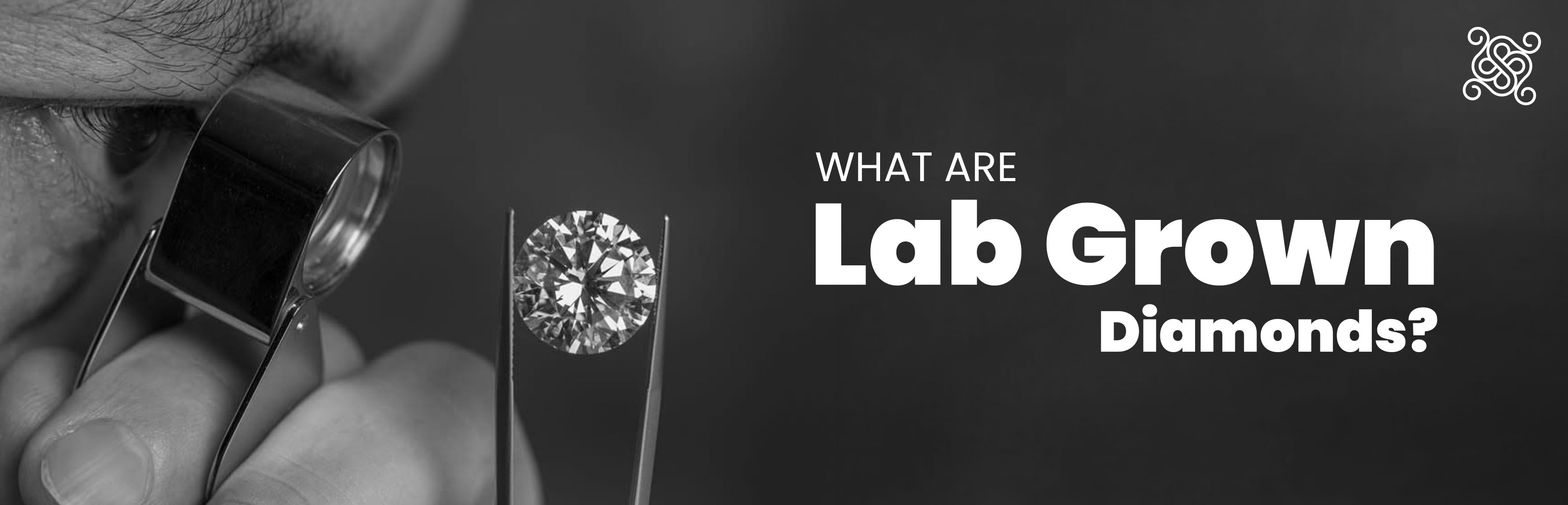
Lab grown diamonds are made in a laboratory through an advanced manufacturing process. Here, methane, hydrogen, minerals (Iron, Nickel, and Cobalt), and a small diamond base are the basic requirements to grow diamonds.
A tiny diamond acts as the substrate for new diamond growth, while methane gas acts as the carbon source. Hydrogen serves as a binding agent that’s specific to the particular method employed in making diamonds.
Just like mined diamonds, these lab diamonds are held to the same standards and undergo diamond certification by international grading corporations like the IGI and GIA.
Are Engineered Diamonds, Grown Diamonds, & Lab Grown Diamonds the Same?
Yes, lab grown diamonds can go by various names! Across the world, and within India, the terms when referring to lab cultured diamonds are:
Manufactured diamonds
Engineered diamonds
Lab created diamonds
Lab manufactured diamonds
Synthetic diamonds
Lab made diamonds
Grown diamonds
CVD diamonds
Cultured diamonds
Laboratory diamonds
Ethical diamonds
You can use any of these terms to refer to lab-grown diamonds. There’s a clear distinction between these diamonds when it comes to sourcing; however, the IGI has reaffirmed equal treatment for lab grown and mined diamonds.
Are Lab Grown Diamonds Real?
Lab grown or manufactured diamonds are 100% real diamonds. They bear an identical carbon structure, optical, chemical, and physical properties to mined diamonds.
They have the same brilliance, scintillation, and fire as geological (mined) diamonds. In fact, there is very little to separate mined and cultured diamonds from each other.
Because of the speed of production and conflict-free growth, the genuineness of lab grown diamonds is questioned. Rest assured, these precious gems are real and a true alternative to their earth-mined variants!
Mined Diamonds vs Lab Grown Diamonds
If you’re looking for a definitive comparison to settle the debate between mined diamonds vs lab grown diamonds, see this informative and honest table.
Feature | Mined Diamonds | Lab Grown Diamonds |
Chemical Composition | Crystalline Carbon (pure) | Crystalline Carbon (pure) |
Hardness (Mohs Scale) | 10 | 10 |
Brilliance | Refractive index - 2.417 to 2.419 | Refractive index - 2.417 to 2.419 |
Source | From Earth’s mantle, formed for millions to billions of years | From laboratories, grown using controlled conditions for days or weeks |
Colour | No colour (colourless) or mildly coloured | No colour (colourless) or coloured (green, yellow, blue, etc) |
Grading | 4 Cs (cut, colour, clarity, & carat) | 4 Cs (cut, colour, clarity, & carat) |
Rarity | Limited quantities in designated geographical locations | Can be mass produced |
Price | High cost due to rarity and the extraction process | Low cost due to cost-efficient production |
Can People Tell Lab Grown Diamonds From Mined Diamonds?
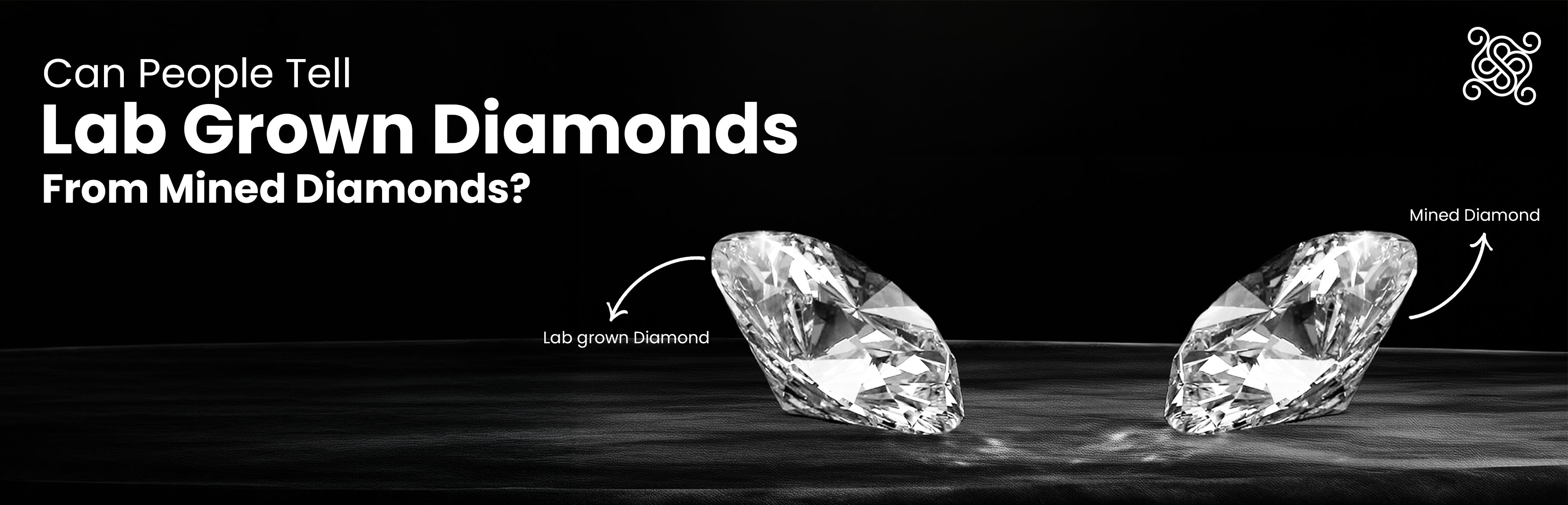
To the naked eye, all mined and laboratory diamonds are identical! This is a result of them having the same physical and chemical properties, and so they cannot be told apart.
So, if you’re looking to be secretive (although there’s no reason to), you can easily keep it as a ‘need-to-know’.
Both diamonds, regardless of source, have that sparkle effect that diamonds are known for emitting. Neither diamond leaves anything left to be desired, whether you see them alone or incorporated into a jewellery design!
The only points of difference appear as changes in price, tiny laser-engraved serial numbers, and ‘perfection’.
Grown diamonds offer affordable luxury, have a virtually invisible engraved serial number, and are often unbelievably perfect when compared to their mined counterparts.
What are Mined Diamonds?
Mined diamonds, or natural diamonds, are the original diamonds, but technology has changed this!
These diamonds take between 1 billion and 3.5 billion years to form deep within the Earth’s mantle and can only be extracted through mining, which comes with its own set of ecological, environmental, and economic ramifications.
For centuries, these diamonds were praised and treated as a commodity; however, much has changed in recent years due to the presence of cultured diamonds, which now share the praise.
The Problems Associated With Mined Diamonds
In recent decades, mined gemstones and mining in general have faced social and legal objections due to the following:
A lengthy process which scars the environment
Disturbs the local ecology or food webs
Leads to labour exploitation and poor staff safety
Habit destruction leads to depleted organism and flora populations
Unnoticed pollution of air and water
Increases global warming and ozone depletion due to high Carbon emissions
Financial disputes and conflicts between companies and countries
Creation of conflict diamonds diamonds linked to financing terrorist groups)
Lab grown diamonds exist to counter these issues, which have dire global effects.
History of Diamonds
Diamonds have been scattered throughout history, with some even rewriting the history books and redrawing current bilateral relations.
Look at how diamonds have come into existence and how their trajectory has changed throughout situations and time.
In the modern era, diamonds were initially discovered in Kimberley, South Africa, with the extraction (the Eureka Diamond) on the banks of the Orange River in 1866.
An 83.5-carat diamond found at the Colesberg Kopje on a farm belonging to the De Beers brothers initiated the “New Rush” in 1869.
From 1871 to 1914, the Kimberley Diamond Mine produced a whopping 2,722 kg worth of diamonds!
Cecil J. Rhodes and his business associate Charles Rudd established the De Beers Consolidated Mines, the current-day De Beers Group.
In 1931, the Gemological Institute of America (GIA) began under the leadership of Robert M. Shipley, a leading step for diamond certification.
In 1950, GIA announced the ‘Four C’s’, a universally adopted diamond grading system that is still in use today.
By the late 1970s, the most crucial diamond sources were South Africa, Zaire (now known as the DRC), and the former Soviet Union.
In the 1980s, diamond banks were discovered in Botswana, yielding high-quality diamonds. De Beers bought this mine, the Jwaneng mine, with Botswana looking to start its own diamond industry.
Diamond sources were discovered in 1985, adding to the race to produce the most and best diamonds for the global demand.
New diamond deposits arose in 2000 in Canada.
By 2014, the annual rough diamond turnover was 135 million carats, and India processes close to 92% of these roughs. 85% of these roughs were traded in Antwerp, Belgium.
By the 21st century, natural diamonds were being sourced from mining activities occurring in 25 countries, but modern advancements also enabled the synthetic growth of diamonds in controlled lab environments through the High-Pressure, High-Temperature (HPHT) and Chemical Vapour Deposition (CVD) methods.
Are Lab Grown Diamonds More Popular Than Mined Diamonds in 2026?
Considering current-day demand data, manufactured diamonds are more popular than ever! Numerous factors are attributed to the high adoption of buying lab grown diamond jewellery; these are a few of them.
1. Changes in Buyer Planning & Mentality
For many Indians, diamond and gold jewellery play a critical role in culture, and many families invest in jewellery as a move for prosperity and security. Based on these personal plans, buyers are adopting a different mentality.
2. High Natural Diamond Prices
Due to the process and conflicts associated with their extraction, natural diamonds attract significantly higher prices than cultured diamonds.
Apart from being highly discouraging, these high prices act as a barrier, making these stones an option only for certain financial groups.
3. Desire for Affordable Luxury
The younger generation wants to experience it all, including diamonds! Those seeking luxury want it at an affordable price, not at a price that comes with debt.
That said, any jewellers who can deliver luxury without the premium price tag are capable of immense success!
4. Evolving Jewellery Culture
As jewellery steadily transitions based on Gen Z jewellery trends, the market will adapt, and so will jewellery brands, changing their jewellery designs to satisfy the course of modern jewellery culture.
Lab grown diamonds are seamlessly integrating into these new evolutions, a property which establishes their ability to adapt.
5. Budget Restrictions Amid Global Unease
With global tensions and uncertainty rising, buyers don’t have the buying power they used to have. Those who do have the buying power are refraining from making luxury purchases due to financial security issues and overall a lack of market stability.
How are Lab Grown Diamonds Made?
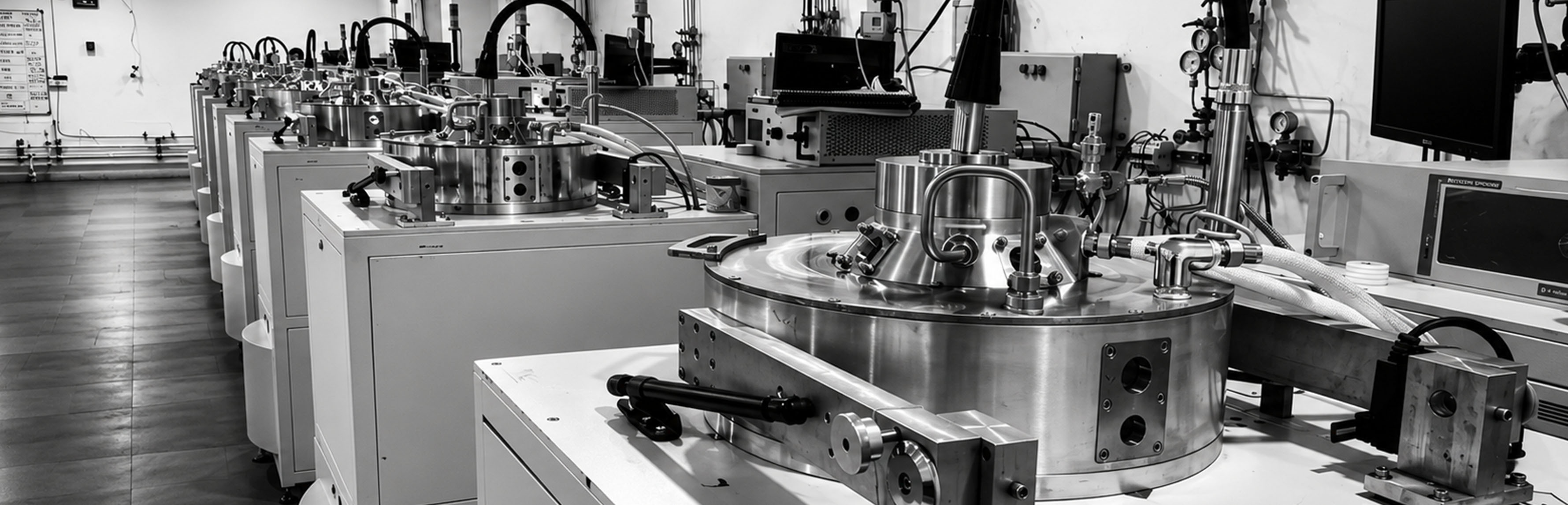
People interested in learning more about engineered diamonds often want to know how these advanced stones are created. Most commercial lab grown diamonds are made through one of two methods;
Chemical Vapour Deposition (CVD) Production Method
High-Pressure and High-Temperature (HPHT) Production Method
1. Chemical Vapour Deposition (CVD) Production Method
CVD diamonds are made using a method that primarily uses a hydrocarbon gas mixture that is exposed to moderate temperatures and pressures in a vacuum chamber.
CVD Diamond Growing Process:
Diamond substrates (seed crystals) are put into the growth chamber.
The growth chamber is filled with carbon-based gas to facilitate growth.
Temperatures within the chamber are increased to a value ranging between 900℃ and 1200℃.
A microwave beam is employed to ensure carbon is precipitated out of a plasma cloud and deposited onto the diamond substrate.
The diamonds are removed from the chamber regularly as the black accumulation (non-diamond carbon) of the surface needs frequent removal before placing it back into the chamber.
After several growth cycles, the growth process is complete, and the diamonds can be removed, cut, and polished to form the final product.
2. High-Pressure, High-Temperature (HPHT) Production Method
HPHT diamonds are made using a process that employs extreme temperature and pressure to grow diamonds in a laboratory with controlled conditions. This method of culturing diamonds involves subjecting a carbon source to temperatures and pressures that mimic the natural conditions under which earth-mined diamonds are created.
HPHT Diamond Growing Process:
A diamond seed or substrate is meticulously positioned within a special press.
The chamber containing the press is heated to 1300-1600℃.
Pressure within the chamber is increased to above 870,000 pounds per square inch.
Pure carbon is dissolved into the molten metal.
The synthetic diamond begins growing after carbon atoms start to precipitate on the surface of the diamond seed or substrate.
After completion of the growth cycle, the lab grown diamond is cut and polished.
Based on the methods, there are two main types of lab grown diamonds that can be used in industry.
Do Lab Grown Diamonds Have the Same Composition as Natural Diamonds?
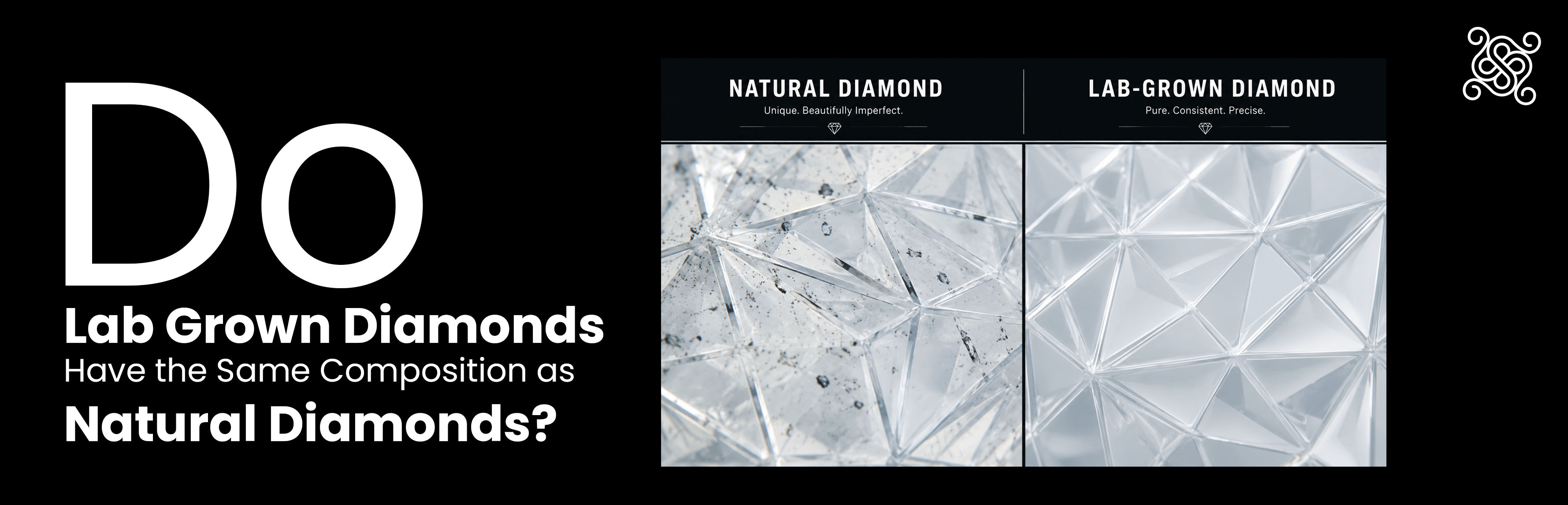
A lab grown or mined diamond has the same pure crystallised carbon composition, so their physical appearance and chemical qualities are identical.
This makes sense because we just stated that it’s next to impossible to tell the difference between the two with the naked eye!
Diamonds (from all sources) are composed of pure carbon (99.95% - 99.98%) appearing in the typical isometric-hexoctahedral crystal lattice arrangement.
These stones share the same physical properties, and they have identical hardness (durability) and brilliance that all diamonds exhibit.
Are Lab Grown Diamonds Certified?
All lab grown diamonds sold by reputable diamond jewellers in India are certified by one or more of the leading diamond certification boards, including IGI, GIA, or SGL.
Jewellery consisting of manufactured diamonds and precious metals will come with hallmarking and a certification booklet or card, stating the specifics of the piece. This ensures that your lab grown diamond has been processed and certified by an authorised body.
This certification card stays with the buyer and serves as a guarantee of the quality of your lab grown diamond jewellery.
Enquiring about diamond certification is a must prior to confirming your purchase of any diamond jewellery, regardless of whether it uses earth-mined or grown diamonds.
Are Lab Grown Diamond Shapes Available in Other Shapes?
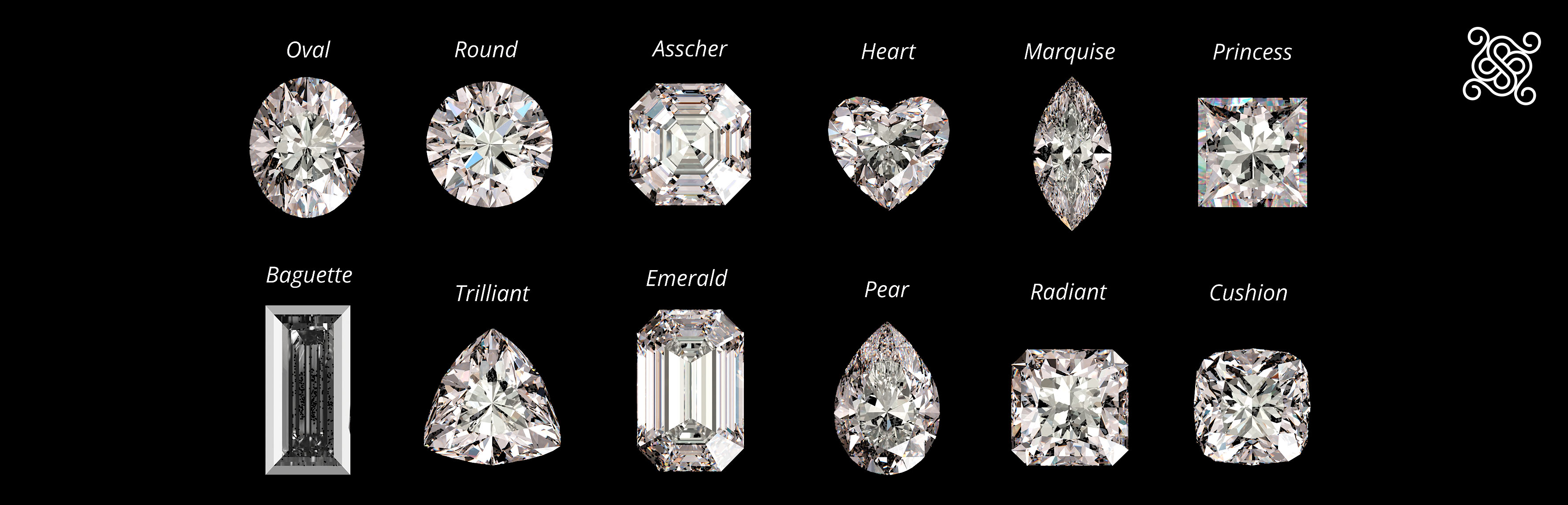
Lab grown diamonds are available in other shapes, including fancy cuts such as cushion and marquise cuts. How is this possible? It takes a bit of understanding of the shapes of mined and lab grown diamonds before understanding shape variety.
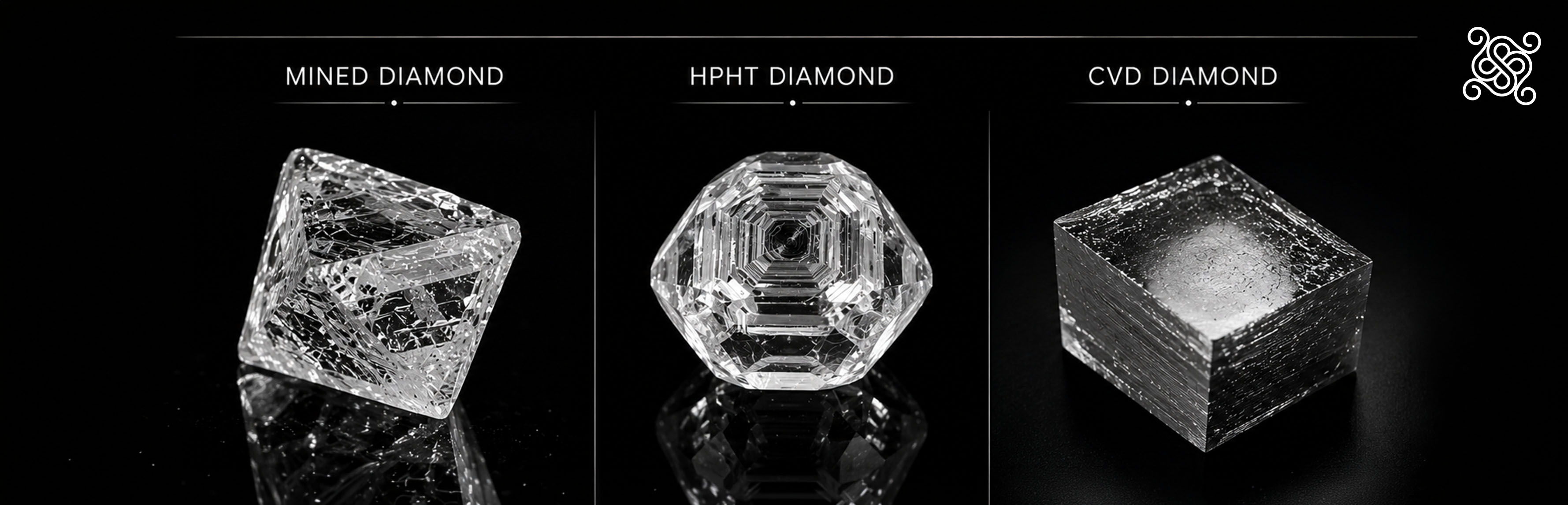
All diamonds mined from the earth’s mantle are found in one of these three shapes:
Octahedron (two pyramids adjoined at the base to create 8 triangular faces)
Macles (also known as twinned crystals, it’s a triangular but flattened shape)
Dodecahedron (rounded or curved shape with 12 sides)
All lab grown diamonds take one of these natural shapes when raw:
Cubic
Cubo-Octahedral
Square/rectangular
After polishing, these man-made diamonds can appear in any of the following classical or fancy shapes:
What Jewellery Can Be Made With Lab Grown Diamonds?
Diamonds made through lab culturing are predominantly used in the jewellery industry and can be used across jewellery categories.
1. Lab Grown Diamond Rings
Diamonds are a huge attraction in rings, especially significant types like engagement and wedding rings, where the standout is a massive 1 or 2 carat diamond.
Man-made diamond rings offer the same or even higher diamond carats for a much lower price. Also, they match mined diamond rings when it comes to fancy shapes and pleasant stone colours.
2. Lab Grown Diamond Earrings
Earrings that make use of laboratory diamonds often feature intricate designs that use lab grown melee diamonds. These are the materials used to create halo, pave, or accent designs on diamond-studded earrings.
Nowadays, diamonds are used across all types of earrings, including studs, drops, hoops, huggies, or Bali earrings, with the end result being appealing earrings whose diamond source cannot be determined.
3. Lab Grown Diamond Necklaces
Modern-day necklaces can be made to have one standout feature or feature uniform appeal across the necklace. Courtesy of engineered diamonds, customers can walk into a shop and buy a diamond necklace featuring a specific diamond cut and diamond carat weight.
For example, it’s possible to buy diamond necklaces which feature a 0.25 or 0.5 Ct heart-shaped cultured diamond as the highlight.
4. Lab Grown Diamond Bracelets & Bangles
Wrist-worn jewellery, like bangles and bracelets, used to feature traditional solid gold designs, but the introduction of lab grown diamonds has led to a plethora of newly designed inspirations.
Affordable wholesale purchase of quality synthetic diamond melee ensures that such designs can contain 90 to 100+ small diamond accents to the design.
5. Lab Grown Diamond Mangalsutras
In Indian tradition, mangalsutras are a culturally significant piece of jewellery that carries more value than their price.
Diamond mangalsutras are disrupting this traditional jewellery category that is being bolstered by modern brides who seek office and daily wear appropriate mangalsutras.
These designs see black beads, gold, and HPHT or CVD diamonds crafted to spin a modern twist on traditional jewellery.
6. Lab Grown Diamond Pendants
Regular chains become stunning occasion-wear diamond necklaces when the ideal diamond pendant is added to them. These synthetic diamond pendants fuse laboratory diamonds with yellow, rose, or white gold for a solid traditional look or a modern dual-tone finish.
Pendants that attract younger Gen Z women feature a combination of metal purities and unique carat sizes.
Mixing metals, geometric shapes, and cultured diamonds of varying carat weight, these pendants are a leading attraction appealing to Gen Z audiences.
Pros of Lab Grown Diamonds
With all this information about lab grown diamonds being available, people often wonder what the benefits of these manufactured diamonds are.
Qualities are identical to mined diamonds
Takes much less time to produce
Conflict-free and sustainable alternative
Can be purchased in bulk at an affordable cost
Available in all classical and fancy cuts
Fewer inclusions (imperfections) and high clarity
Production creates significantly lower carbon emissions
Cons of Lab Grown Diamonds
The numerous benefits aren’t outdone by the complications, but there are some negligible cons to make a note of:
Production involves an energy-intensive process
Lack of rarity due to quick manufacturing
Perceived as stones that lack sentiment or story
When Did Lab Grown Diamonds Enter the Indian Market?
Lab grown diamond jewellery entered the Indian market commercially as a refined retail jewellery product in 2019 when pioneering brands like Svaraa and Limelight Diamonds launched digital and physical stores.
Since then, major gold jewellery brands have followed suit in launching their own sub-brand catering exclusively to jewellery demands that include synthetic diamonds.
Fast forward to today, lab grown diamonds have become a staple for modern, environmentally aware women who seek budget-appropriate and comfort-conscious work or daily wear jewellery.
The ability for these manufactured stones to appeal to the masses will power their ability to captivate the market and women across all style classes.
What the Younger Generation (Gen Zs) Thinks About Lab Grown Diamonds
Younger Gen Z audiences are increasingly conscious of the brands they purchase from. They look to align with a company’s vision, mission and values, and if they don’t suit them, they won’t buy from it!
To appeal to a socially conscious group, jewellery brands must adapt and use eco-friendly materials that are sustainable.
Environmentally aligned individuals will continue to support brands that are eco-friendly and actively reducing their Carbon footprint.
Lab grown diamonds meet these requirements and appeal to the younger audiences who care about the impact of their choices!
How to Style Lab Grown Diamond Jewellery in 2026
In 2026, lab grown diamond jewellery has created a list of fashion trends of its own, proving there is a major market for these man-made diamonds.
Lab Grown Diamond Jewellery Style Trends for 2026
If you’re looking to style your synthetic diamond jewellery perfectly in 2026, utilise these styling ideas:
9Kt Lab Grown Diamonds for Daily Wear
The combination of manufactured diamonds and 9K gold makes a compelling combination for women’s daily wear jewellery. The persuasive qualities of this jewellery category are durability and appeal, at a realistic cost!
Rose Gold Finishes for Workwear Jewellery
The feminine pink hue of rose gold jewellery is actually achieved by mixing gold and copper. The stunning result is a trend that will continue deep into 2026.
Stacking Jewellery
Jewellery stacking practices such as necklace layering and ring stacking are set to remain a highly popular trend this year and next year. Expect new lab grown diamond jewellery to be better suited to stacking and layering trends.
Geometrical Jewellery for Diamond Emphasis
Lab grown diamonds embedded onto geometrically shaped pendants and rings make for modern pieces that catch the attention of anyone who looks their way!
Fancy Diamond Cuts for Party Wear
Lab grown diamonds mimic natural ones in the cut they can be forged into, making them an excellent choice for party wear. Fancy shapes like the pear-cut and heart-cut are also available in lab grown diamonds, which will be trending upwards in the coming years.
Occasions to Wear Lab Grown Diamonds
Jewellery containing synthetic diamonds makes for appealing multi-occasion wear, and it’s up to the wearer where they want to wear it.
Simplistic Daily Wear Jewellery
Individuals seeking to elevate their appearance, even if they are not leaving their home, can turn to lab grown diamonds to make a simple design stunning, without elevating the price.
Jewellery made from precious metal and engineered diamonds is comfortable and offers the relief that it won’t cost a fortune to replace if damaged or disfigured.
Professional Office Wear Jewellery
Women working in a professional landscape will want bold yet warm jewellery that’s appropriate for the office. This is the exact niche that lab grown diamond jewellery falls under.
These designs can be minimal yet diamond-studded, classic, or eye-catching, depending on your taste.
Show-Stopping Festive Wear Jewellery
Jewellery made from mined diamonds would make for festive wear, so why wouldn’t synthetic diamond jewellery? There’s nothing to distinguish these diamonds by appearance, so they have the same appeal.
Sparkling Party Wear Jewellery
Outfits designed to create a showstopping effect should feature jewellery that does the same, and lab-grown diamonds are the affordable luxury most people want.
These pieces of jewellery are embellished with more diamonds than regular diamond jewellery to ensure greater sparkle.
Customisation and Lab Grown Diamonds
Grown diamonds are made in laboratory-controlled environments and are free of the imperfections and structural irregularities that plague mined diamonds. Because of this, synthetic diamonds are easier to customise due to easier cutting and polishing.
Classical & Fancy Diamond Shapes and Cuts
Whichever shape and cut are available in natural diamonds are also available in lab-grown diamonds, ensuring people who buy these synthetic stones don’t miss out on anything.
Manufactured diamonds can be made into any cut the heart desires, and the process of making them isn’t all that complex, painstaking, or expensive.
Intricate Diamond Embedding
In previous decades, before cultured diamonds were booming, diamond jewellery featured very simple diamond embedding and design.
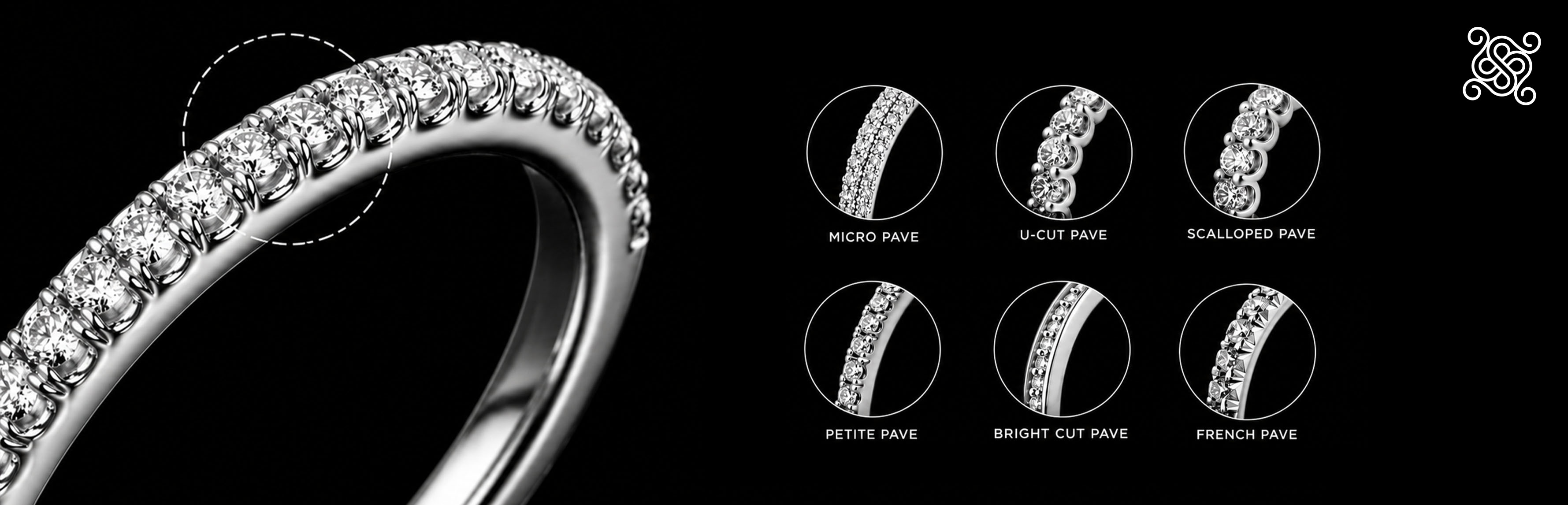
Modern-day jewellery features much more variety for customers who want fancy and intricate pavé settings, such as:
U-cut pavé
Scalloped pavé
French pavé
Petite pavé
Bright cut pavé
Micro pavé
Inspirational and Secure Diamond Settings
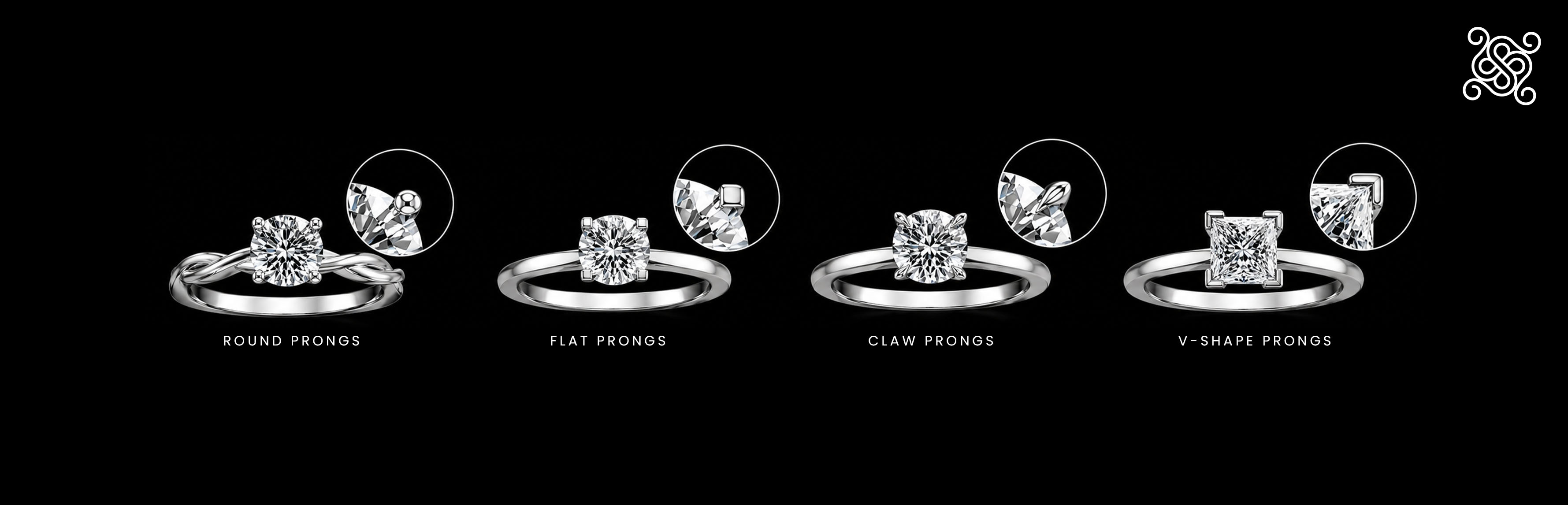
When it comes to diamond wedding and engagement rings, the diamond setting and prong type become essential elements.
The choice of prong can make a simple ring look spectacular or undervalued, depending on the prong setting. Types of prongs available in current-day jewellery include:
Shared prongs - a single metal prong consisting of more metal, and therefore the ability to hold two adjacent diamonds.
Claw prongs - triangular tips that taper to a point.
V-shape prongs - two metal strips converge to create a ‘V’ shape that holds the stone.
Double prongs - instead of a single prong, these provide double prongs at each corner.
Round prongs - appear as minute dots that surround the diamond.
Bezel prong - this metal prong surrounds the entire diamond.
Playful Precious Metal Mixes
Although gold, silver, and platinum are the core jewellery choices in diamond jewellery, new-age lab-grown diamond jewellery offers an alternative in the form of white and rose gold finishes.
Rose gold
The highly popular rose gold is actually a mixture of yellow gold and copper, which gives it that lightish pink colour.
White gold
Most ‘white gold’ is, in fact, gold that has been mixed or plated with Rhodium or other white metals. This gives jewellery that “white” finish and prevents it from tarnishing if it’s made from pure silver.
Yellow gold
This is the traditional metal most people are familiar with, and it exists as several subtypes based on its purity. While 24Kt is the purest, it’s ineffective in jewellery making due to its softness.
Other types of gold based on purity are:
9Kt
14Kt
18Kt
22Kt
How to Clean & Care for Lab Grown Diamonds
Cleaning and caring for lab grown diamonds isn’t much different from caring for jewellery made from actual earth-mined diamonds.
How to Clean Lab Grown Diamonds
Follow these cleaning steps to ensure your synthetic diamonds retain their brilliance.
Step 1: Find Gentle Yet Effective Cleaning Tools
Don’t get certain tools that are made out of metal or hard materials, as they could scratch the lab grown diamond. Instead, invest in simple materials that are like soft jewellery-specific brushes or Q-tips.
Step 2: Use The Most Basic Chemicals
There’s no need to buy an exotic chemical cleaner; your average household dishwashing liquid will suffice! A couple of drops of this simple chemical in a bowl of warm water will do wonders for dirty diamond jewellery (synthetic or mined).
Step 3: Soak for Sufficient Time
Soaking the jewellery in this warm, soapy solution is like giving you a head start in cleaning it. This critical step softens grime and dislodges dirt to make the next step faster and more effective.
Step 4: Delicate Scrubbing is Just as Effective!
Cleaning is effectively done by scrubbing the diamond jewellery with a gentle brush or a Q-tip. By this stage, most of the dirt has already been removed or will come off very easily with minimal scrubbing.
Step 5: Dry it with the Right Cloth
You shouldn’t use any cloth to dry diamonds and diamond jewellery; instead, stick to using a microfiber cloth to ensure no accidental scratches or attachment of minute fibres to the stones.
How to Store Lab Grown Diamonds
It’s not just cleaning practices that decide the fate of your lab grown diamond jewellery’s appearance! Incorrect storage methods can lead to jewellery damage, disfigurement, or discolouration.
1. Clean Them Well Before Storing
It’s a known fact that jewellery and your synthetic diamonds will come into contact with various chemicals and substances when worn. Also, before storing, clean jewellery to remove sweat, lotion, sunscreen, perfume, or water.
2. Use Individual Storage Compartments
Because diamonds and precious metals are hard and potentially sharp or pointed, storing multiple pieces together is ill-advised. Get a jewellery case with individual storage compartments made for different pieces of jewellery.
3. Leverage a Cool & Moisture-Free Case
Jewellery cases are special; they should be able to moderate temperature and keep moisture out. Any moisture would cause some metals to tarnish and could affect the facets of the diamonds.
4. Ensure Soft Storage Case Materials
The storage box should also be lined with the appropriate material to ensure the jewellery remains unchanged and unscratched, even if stored for a long time or taken while travelling.
Why Do Mined and Lab Grown Diamond Prices Differ?
The lab grown diamond price differs significantly from that of a mined diamond, and there are countless reasons for this.
On average, there are three main factors that make grown diamonds much more affordable than those extracted from the Earth.
Cost of Production
Producing cultured diamonds has become an immensely cost-efficient process that yields a high cost-volume-profit ratio. Modern processes like the CVD and HPHT methods yield exceptional output.
Demand-Supply Chain
The ability to produce high output in relatively short time frames has boosted market demand for lab cultured diamonds and jewellery made from them.
Improved Technology
The technology employed in growing, polishing, and cutting a lab grown diamond has drastically changed, and this has made it easier and more cost-efficient to produce these timeless stones.
These factors decide the lab-grown diamond price and explain why mined diamonds and lab grown diamonds have different prices.
Just How Sustainable Are Lab Grown Diamonds?
Engineered diamonds are touted as the ‘sustainable’ alternative, but questions remain as to how eco-friendly they actually are.
A batch of lab grown diamonds can be produced within days or weeks!
No soil excavation is needed, and no environmental scarring takes place.
Water pollution doesn’t take place when growing diamonds.
The One Exception
The one sustainability issue associated with manufacturing man-made diamonds is the high energy consumption of both production methods.
Some cultured diamond manufacturers are already employing renewable energy to fuel the process, but this doesn’t apply to all vendors, and those not using sustainable energy often utilise coal, a non-renewable energy source!
How to Choose Between Mined and Lab Grown Diamonds
For some, choosing between mined and lab-cultured diamonds is a simple decision with little to debate. However, for others, it’s a more sentimental decision with heavy points to consider on each side.
1. Occasion & Sentiment
If you desire a statement piece, like a wedding or engagement ring containing one standout diamond, the sentimentally aligned choice would be a natural diamond.
But, if you're looking for eternity ring designs with multiple fancy cut and coloured diamonds, select lab grown diamond jewellery.
2. Budget
Budget restrictions may leave synthetic diamonds as the only option you can afford, but both types of diamonds are identical in terms of quality and appearance. Actually, you get more carat, cut, and colour for your money when selecting lab grown diamonds.
3. Jewellery Design Requirements
Anyone who needs intricate diamond design work and customisation should choose jewellery made from lab diamonds. These personalised accessories can be made special with specific designs, coloured diamonds, and even engraving.
4. Certification
These days, even diamonds grown in laboratories come with certifications from esteemed diamond graders such as the IGI and GIA. Look for these certifications when buying lab grown or mined diamonds.
5. Environmental Impact
Environmentally conscious buyers should weigh the impact created when sourcing both types of diamonds.
From this standpoint, lab-borne diamonds create less of a negative environmental impact.
Top 10 Lab Grown Diamond Jewellers in India
India is an inspirational hub comprising a massive population that has taken a liking to these affordable pieces of luxury.
Svaraa
Svaraa is a pioneering jewellery brand backed by Gujarat gold giant Kalamandir, and was the first to offer ethically made gold lab grown diamond jewellery to the public in 2019. With over 1400+ products, Svaraa has one of the largest jewellery catalogues in India.
Giva
Established in 2019 and headquartered in Bengaluru, the brand has redefined fine jewellery, dealing in Silver, Gold, and, more recently, lab grown diamond jewellery. Their products make ideal gifting options for anyone seeking delicate jewellery.
Fiona Diamonds
Considered one of the first jewellery brands to offer natural diamonds, lab grown diamonds, and moissanites under one brand since its inception in 2003. The brand focuses on online retail, minimising the final cost to customers.
Ivana Jewels
Ivana Jewels is based in Surat, where it was founded in the year 2023, and is a subsidiary of the Jinal Group. This jewellery brand engages in top-tier in-house handcrafting of bridal and modern jewellery using ethical lab grown diamonds.
Limelight Diamonds
Founded in 2019, Limelight Diamonds strives to take luxury to the general public through backing from lab grown diamond and jewellery giants, such as the Bhathwari Group and the Emerald Jewel Industry.
Emori
Headquartered in Gurugram, Emori, a participant of Shark Tank India Season 5, has quickly grown to occupy an immense space in the Indian lab grown diamond market. Established only in 2023, the brand has 600+ lab grown jewellery designs and is expanding rapidly!
Avira Diamonds
The brand specialises in lab cultured diamond jewellery and was founded in 2021 under its parent company, Pooja Gold Palace. The mission of Avira Diamonds remains to offer luxury products that are ethically sourced at a realistic cost.
House of Quadri
The House of Quadri began to reshape the perception of where and when precious metal and diamond jewellery can be worn in 2021. This Mumbai-born jewellery brand steps out of the box to offer sustainable and appealing jewellery.
Lukson
Lukson was established in 2024 and caters to the nationwide demand for ethically sourced and crafted lab grown diamond jewellery. Though still early in their foray, the company deals primarily in pure gold and vermeil silver lab grown jewellery.
Jewelbox
Established in 2022, this lab grown diamond jewellery brand is built upon making sustainable, conscious, and affordable luxury accessible to younger, modern, and cost-conscious Indian consumers.
Fast Forward: Indian Market Projection for Lab Grown Diamonds
India is critical to the global diamond industry, processing around 90% of the globe's rough diamonds. The country must adapt to suit the evolving needs of diamond production and processing.
With a constant 14.8% CAGR rise, lab grown diamond jewellery sales increase from US$299.9 million (2023) to US$192.3 million by 2033, according to a report by the Industrial Extension Bureau (A Government of Gujarat Organisation).
Given that the diamond industry accounts for a major portion of the country’s overall GDP, it seems likely that the country will make adaptations to overcome current or future challenges or obstacles in the way.
FAQs On Lab Grown Diamonds
How can I distinguish between mined and lab grown diamonds?
Without the help of UV light screening to check for laser-inscribing or fluorescence differences, you cannot tell the difference between lab grown and mined diamonds apart with the naked eye.
Is a lab-grown diamond a real diamond?
Lab grown diamonds made using HPHT and CVD methods are real diamonds!
What are the benefits of buying lab grown diamonds?
The pros of buying manufactured diamonds are the lower costs, variety, eco-friendliness, accessibility, and suitability for work and daily wear.
Is it worth buying lab grown diamonds?
Buying lab grown diamonds is worthwhile because they are identical (in every way) to mined diamonds, are easily available, sustainably sourced, and available through stunning modern designs.
Do celebrities wear lab grown diamonds?
Bollywood and Hollywood celebrities and influencers are wearing synthetic diamonds and considering it the new conscious luxury that’s sustainable.
What are the disadvantages of lab cultured diamonds?
Synthetic diamond drawbacks are its lower resale value, year-on-year depreciation, energy use concerns, and limited sentiment.